Post by : Saif
Global oil prices are rising again as the war involving Iran continues to create uncertainty in energy markets. According to recent reports, oil prices have gained more than 2 percent as traders and governments worry about possible supply disruptions.
The main concern is not just the fighting itself, but where it is happening. Much of the tension is centered around the Strait of Hormuz, one of the most important oil routes in the world. Nearly one-fifth of global oil passes through this narrow waterway, making it a key lifeline for energy supplies.
As the conflict grows, fears are increasing that shipments through this route could be delayed or even blocked. When such risks appear, oil markets react quickly. Prices rise because traders expect supply to become limited, even if the disruption has not fully happened yet.
Recent data shows that oil prices have already crossed important levels, with some reports placing them close to or above 100 dollars per barrel. This is a sharp increase compared to earlier months and reflects growing anxiety in global markets.
The situation has been made worse by actual disruptions in the region. Some oil facilities have been attacked, and production in key countries has slowed down. For example, parts of Saudi Arabia have reduced output due to security risks and transport challenges.
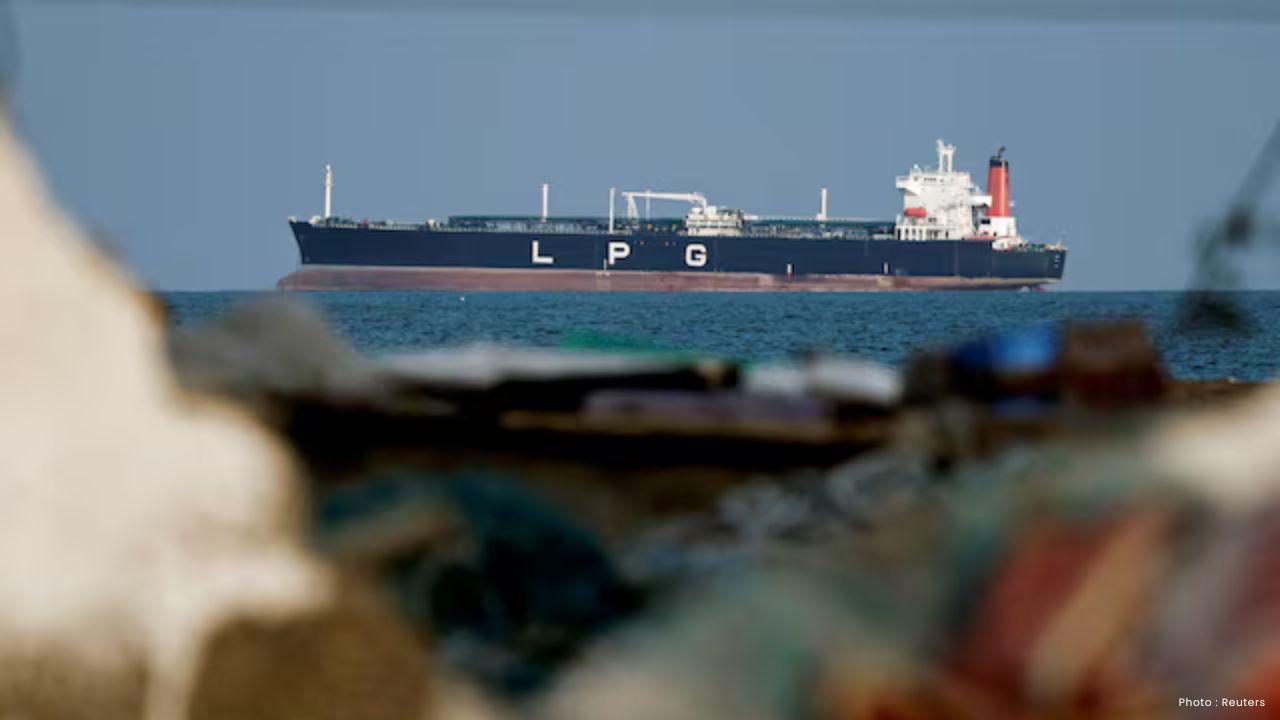
In addition, shipping companies are becoming more cautious. Many oil tankers are avoiding risky areas, while insurance costs for ships have increased. This makes it more expensive and slower to transport oil, adding further pressure on prices.
Another major factor is the uncertainty about how long the conflict will last. Markets do not like uncertainty. When traders are unsure about the future, they often push prices higher as a way to prepare for possible shortages. Experts say that oil markets are now expecting strong price swings, with sudden rises and falls depending on news from the conflict.
There are also concerns about wider supply cuts across the region. Reports suggest that multiple Gulf countries have reduced oil output, either due to direct damage or because of logistical problems. This has removed millions of barrels per day from the global supply, tightening the market further.
At the same time, global demand for oil remains steady. Countries still need fuel for transport, industry, and electricity. When demand stays strong but supply becomes uncertain, prices naturally go up. This basic rule of economics is now being seen clearly in the oil market.
Some organizations are trying to control the situation. The International Energy Agency has suggested that countries may release oil from emergency reserves if needed. This can help calm markets in the short term, but it is not a permanent solution.
Higher oil prices do not only affect energy companies. They have a direct impact on everyday life. When fuel becomes more expensive, transport costs increase. This leads to higher prices for goods, food, and services. Over time, it can slow down economic growth and increase inflation across the world.
For countries like India, which import a large share of their oil, this situation is especially serious. Rising prices can increase the cost of living and put pressure on government budgets. Many developing nations are even more vulnerable, as they have fewer resources to manage sudden price shocks.
From an editorial point of view, this crisis shows how closely global energy markets are tied to geopolitical events. A conflict in one region can quickly affect economies everywhere. It also highlights the risks of depending heavily on a few key routes and suppliers for energy.
The current situation is a reminder that stability in the Middle East is not just a regional issue—it is a global necessity. Governments and companies must think about long-term solutions, such as diversifying energy sources and improving supply chain resilience.
At the same time, diplomacy remains important. Military conflict may bring short-term goals, but it often creates long-term economic and human costs. The rising oil prices are just one visible sign of a much larger problem.
As the war continues, markets will remain sensitive to every new development. Even small changes in the situation can lead to big movements in oil prices. For now, the world is watching closely, knowing that the outcome of this conflict will shape not just the region, but the global economy as well.
#trending #latest #OilPrices #IranWar #MiddleEastCrisis #StraitOfHormuz #GlobalEconomy #EnergyCrisis #BreakingNews #WorldNews #Geopolitics #Inflation








Advances in Aerospace Technology and Commercial Aviation Recovery
Insights into breakthrough aerospace technologies and commercial aviation’s recovery amid 2025 chall

Defense Modernization and Strategic Spending Trends
Explore key trends in global defense modernization and strategic military spending shaping 2025 secu

Tens of Thousands Protest in Serbia on Anniversary of Deadly Roof Collapse
Tens of thousands in Novi Sad mark a year since a deadly station roof collapse that killed 16, prote

Canada PM Carney Apologizes to Trump Over Controversial Reagan Anti-Tariff Ad
Canadian PM Mark Carney apologized to President Trump over an Ontario anti-tariff ad quoting Reagan,

The ad that stirred a hornets nest, and made Canadian PM Carney say sorry to Trump
Canadian PM Mark Carney apologizes to US President Trump after a tariff-related ad causes diplomatic

Bengaluru-Mumbai Superfast Train Approved After 30-Year Wait
Railways approves new superfast train connecting Bengaluru and Mumbai, ending a 30-year demand, easi



