Post by : Avinab Raana
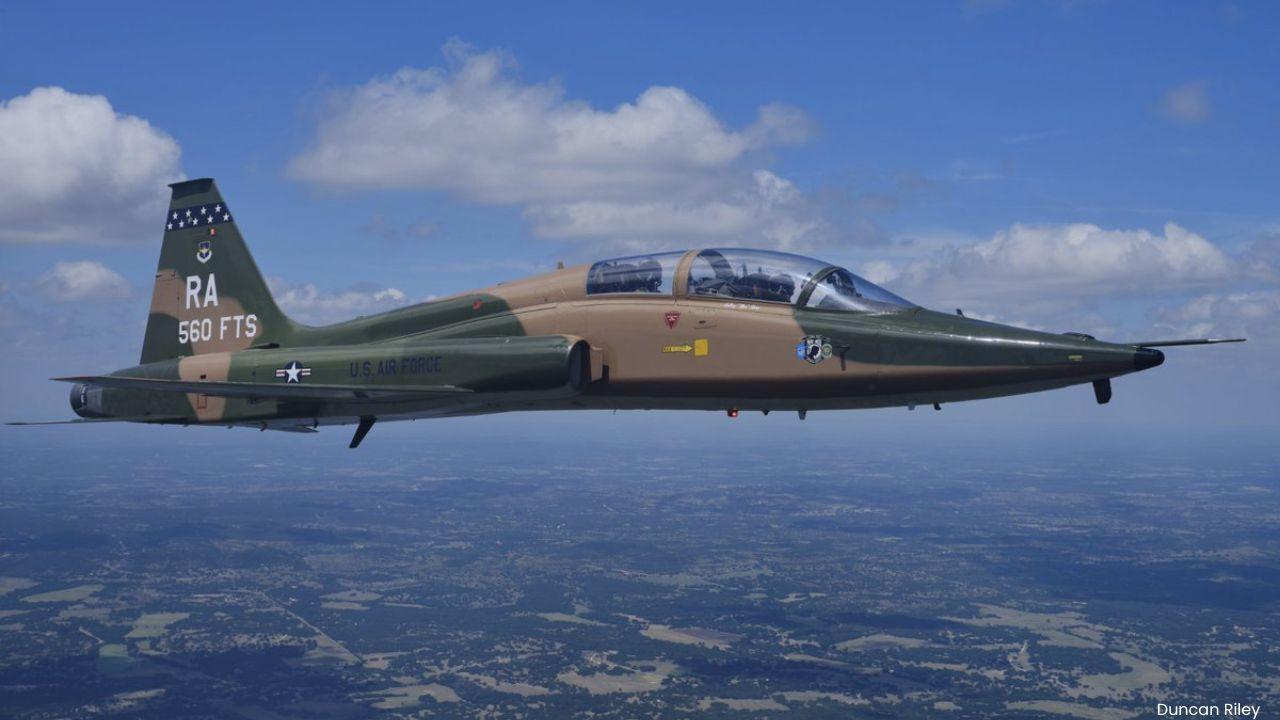
Photo : X / Duncan Riley
The aviation industry is stepping into a transformative phase as Navi AI officially launches with $6 million in funding, aiming to redefine how pilots are trained in an era of rising demand and global shortages. As airlines worldwide grapple with an increasing need for skilled pilots, the emergence of AI-driven training platforms is no longer a futuristic concept, it is becoming a necessity. Navi AI’s entry into the market signals a decisive shift toward intelligent, adaptive, and data-driven pilot education systems that promise to enhance both efficiency and safety. At a time when traditional training methods are struggling to scale, Navi AI positions itself as a solution built for speed, precision, and accessibility, targeting one of aviation’s most pressing challenges.
The global aviation sector is facing a critical talent gap, with demand for pilots expected to surge dramatically over the coming decade. Training pipelines, however, remain constrained by high costs, limited instructor availability, and time-intensive processes. Navi AI’s platform is designed to directly tackle these bottlenecks by leveraging artificial intelligence to automate and optimize key aspects of pilot training. By using AI-powered analytics and real-time performance tracking, the system can identify a trainee’s strengths and weaknesses instantly, enabling highly personalized training pathways. This reduces unnecessary repetition while accelerating skill acquisition, ultimately producing job-ready pilots faster without compromising safety standards.
What sets Navi AI apart is its ability to integrate advanced simulation with intelligent feedback loops. Unlike conventional simulators that rely heavily on static scenarios, Navi AI introduces dynamic, adaptive training environments that evolve based on pilot behavior. This allows trainees to experience a wide range of real-world scenarios in a controlled yet highly responsive setting. The platform’s predictive capabilities also help instructors anticipate potential errors before they occur, creating a proactive training model rather than a reactive one. This shift toward predictive learning not only improves pilot competency but also aligns with the aviation industry’s broader push toward data-driven safety systems.
With fresh funding secured, Navi AI is expected to expand its technology development, partnerships, and global reach. The company’s roadmap focuses on collaborating with flight schools, airlines, and training organizations to integrate its AI-driven solutions into existing ecosystems. This scalability is crucial, as the aviation sector prepares for sustained growth in passenger traffic and fleet expansion. By reducing training time and costs, Navi AI could play a pivotal role in ensuring that the supply of qualified pilots keeps pace with industry demand. The ripple effect of such innovation extends beyond training, it has the potential to influence airline operations, safety standards, and overall industry efficiency.
Navi AI’s launch represents more than just a new startup entering the aviation space, it reflects a broader technological evolution reshaping the industry. As artificial intelligence becomes increasingly embedded in aviation systems, from maintenance to operations, its role in training is a natural progression. The success of Navi AI will ultimately depend on how effectively it can bridge the gap between innovation and real-world application. However, its early momentum suggests that AI-driven pilot training could soon become the industry standard, redefining how future aviators are prepared for the skies.
Navi AI pilot training, AI aviation training, pilot shortage solution, aviation AI startup






Advances in Aerospace Technology and Commercial Aviation Recovery
Insights into breakthrough aerospace technologies and commercial aviation’s recovery amid 2025 chall

Defense Modernization and Strategic Spending Trends
Explore key trends in global defense modernization and strategic military spending shaping 2025 secu

Tens of Thousands Protest in Serbia on Anniversary of Deadly Roof Collapse
Tens of thousands in Novi Sad mark a year since a deadly station roof collapse that killed 16, prote

Canada PM Carney Apologizes to Trump Over Controversial Reagan Anti-Tariff Ad
Canadian PM Mark Carney apologized to President Trump over an Ontario anti-tariff ad quoting Reagan,

The ad that stirred a hornets nest, and made Canadian PM Carney say sorry to Trump
Canadian PM Mark Carney apologizes to US President Trump after a tariff-related ad causes diplomatic

Bengaluru-Mumbai Superfast Train Approved After 30-Year Wait
Railways approves new superfast train connecting Bengaluru and Mumbai, ending a 30-year demand, easi



