Post by : Saif
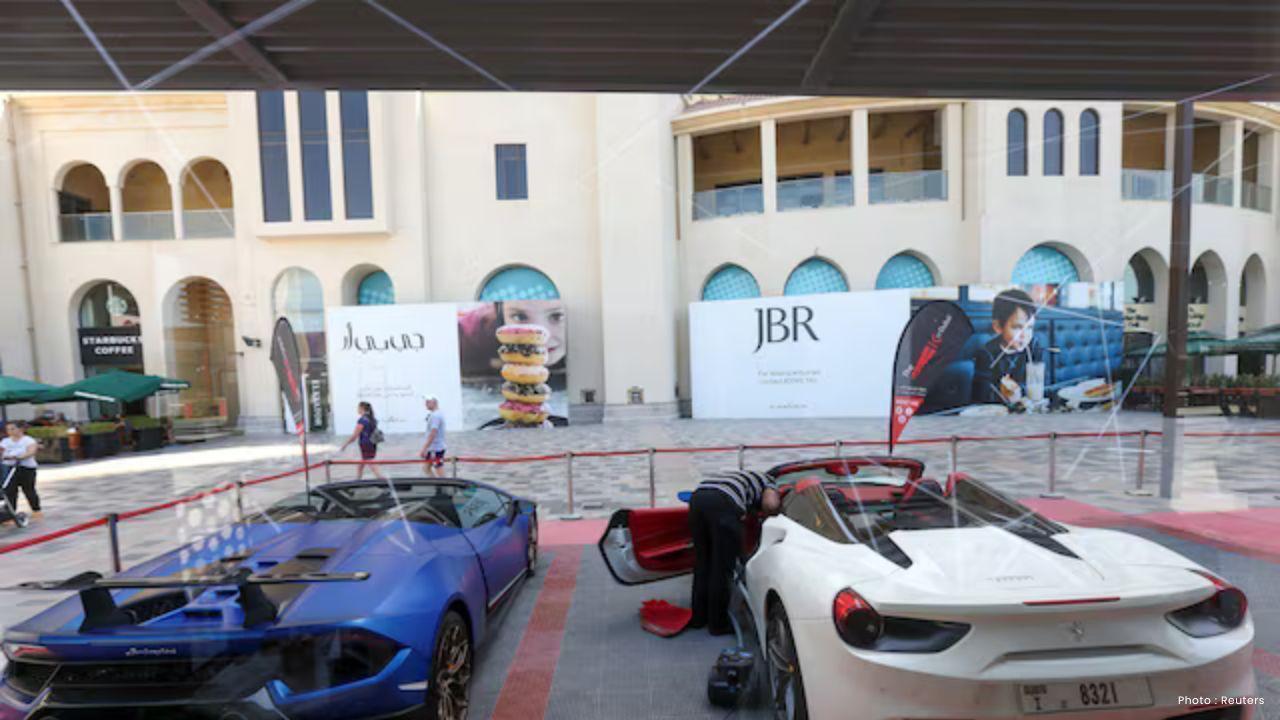
A new challenge is emerging for the global luxury car industry as the ongoing Iran war begins to affect one of its most profitable markets—the Gulf region. While luxury carmakers sell vehicles worldwide, it is the Middle East that often brings in some of their highest earnings. Now, that key source of income is under pressure.
Before the conflict began, countries like the United Arab Emirates, especially cities such as Dubai, were major hubs for luxury car sales. Wealthy buyers in the region often spend heavily on customized vehicles, adding unique designs, special materials, and exclusive features. Even though the region makes up less than 10% of total sales, it generates a much larger share of profits due to these high-end orders.
However, the war has disrupted this strong market. When fighting started in late February, many luxury car companies were forced to close showrooms temporarily and stop deliveries. Brands like Ferrari and Maserati paused shipments as safety concerns and logistics problems made business difficult.
Although some sales activities have restarted, business has not returned to normal. Dealers in the region have reported a sharp drop in demand, with some showing a fall of around 30% in sales. This decline shows that even wealthy customers are being cautious during uncertain times.
Interestingly, not all parts of the market are equally affected. Sales of extremely high-end vehicles—those priced above $1 million—have remained more stable. This suggests that ultra-rich buyers continue to spend, while mid-level luxury buyers may be holding back due to economic uncertainty.
The situation is worrying for global carmakers because the Gulf market plays a special role in their business. At a time when demand is already slowing in major markets like the United States, China, and Europe, losing momentum in the Middle East adds more pressure.
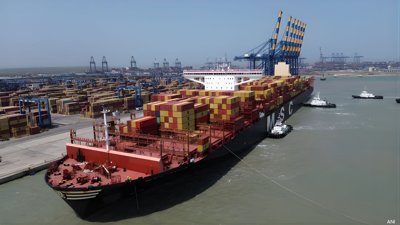
The broader impact of the Iran war is also making things worse. The conflict has disrupted shipping routes, increased energy prices, and created uncertainty in global markets. Important trade paths like the Strait of Hormuz have been affected, slowing down the movement of goods and raising costs for companies.
Luxury carmakers depend heavily on smooth global supply chains. When shipping is delayed or costs rise, it becomes harder to deliver vehicles on time. In some cases, companies have had to find alternative methods, such as air transport, which is more expensive.
There is also a psychological factor at play. The Gulf region has long been seen as a stable and safe place for business and luxury spending. However, the ongoing conflict has shaken that image. When people feel uncertain about the future, even wealthy buyers may delay big purchases like luxury cars.
Industry experts warn that if the conflict continues for a longer period, the impact could become more serious. Some companies may be forced to reduce production or rethink their global strategies. For an industry already dealing with rising costs and changing demand, this adds another layer of difficulty.
At the same time, carmakers are watching the situation closely. The Gulf market is too important to ignore, and companies are likely to return quickly once conditions improve. However, until stability returns, profits from this region may remain under pressure.
This situation highlights how global events can affect even the most premium industries. Luxury cars are often seen as symbols of wealth and success, but their sales still depend on stability, confidence, and smooth global trade.
As the Iran war continues to reshape markets and supply chains, the future of luxury car sales in the Gulf remains uncertain. For now, what was once a shining source of profit has become a point of concern for the world’s top carmakers.
#trending #latest #armustnews #LuxuryCars #IranWar #GlobalEconomy #AutoIndustry #MiddleEast #BusinessNews #Ferrari #RollsRoyce #BreakingNews




Advances in Aerospace Technology and Commercial Aviation Recovery
Insights into breakthrough aerospace technologies and commercial aviation’s recovery amid 2025 chall

Defense Modernization and Strategic Spending Trends
Explore key trends in global defense modernization and strategic military spending shaping 2025 secu

Tens of Thousands Protest in Serbia on Anniversary of Deadly Roof Collapse
Tens of thousands in Novi Sad mark a year since a deadly station roof collapse that killed 16, prote

Canada PM Carney Apologizes to Trump Over Controversial Reagan Anti-Tariff Ad
Canadian PM Mark Carney apologized to President Trump over an Ontario anti-tariff ad quoting Reagan,

The ad that stirred a hornets nest, and made Canadian PM Carney say sorry to Trump
Canadian PM Mark Carney apologizes to US President Trump after a tariff-related ad causes diplomatic

Bengaluru-Mumbai Superfast Train Approved After 30-Year Wait
Railways approves new superfast train connecting Bengaluru and Mumbai, ending a 30-year demand, easi



