Post by : Avinab Raana
Photo : X / The Maritime
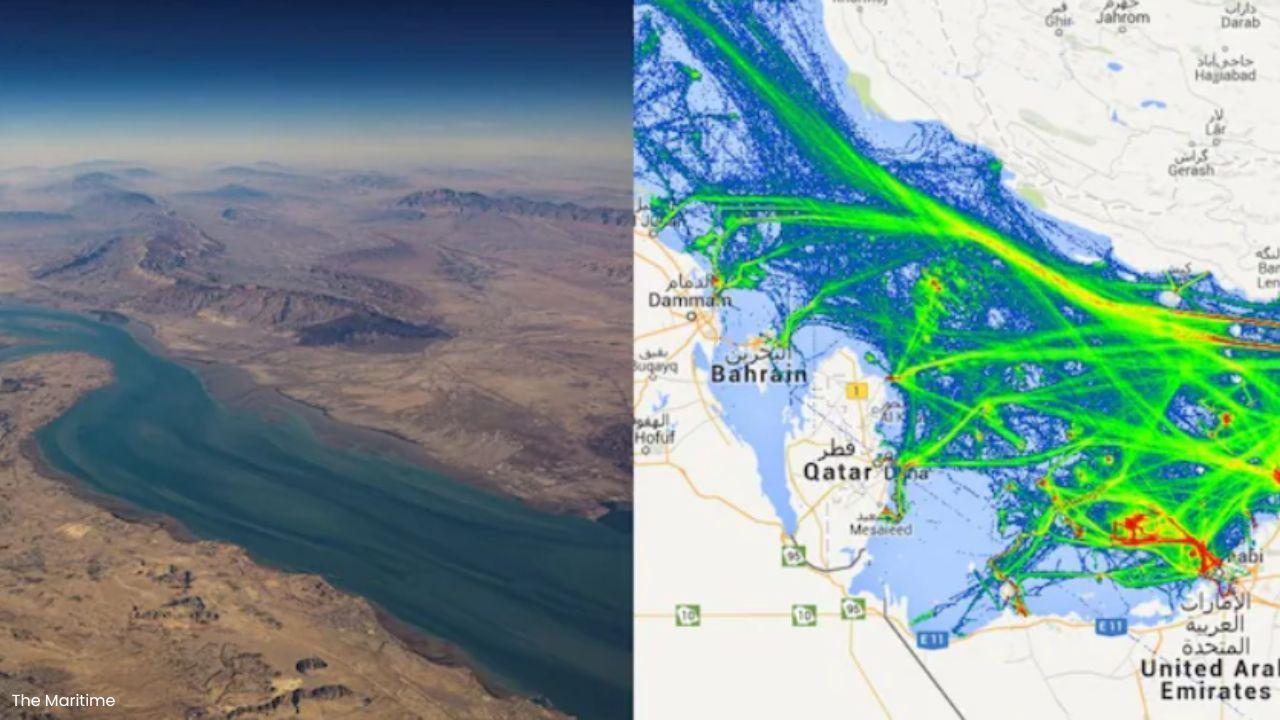
After weeks of severe disruption across one of the world’s most critical shipping corridors, early signs of stabilization are beginning to emerge in the Gulf region. Reports indicate that GPS jamming incidents, once crippling navigation systems and halting vessel movement are now declining as ship transits through the Strait of Hormuz gradually increase. This shift marks a significant moment for the global maritime industry, which has been navigating both physical and digital threats in a highly volatile geopolitical environment.
The Strait of Hormuz had recently become a hotspot of electronic interference, with widespread GPS and AIS disruptions affecting thousands of vessels. Ships were frequently mispositioned, appearing far from their actual locations, creating confusion and serious navigation risks. At the peak of the crisis, traffic through the strait dropped dramatically, with only a handful of vessels able to pass through safely. Now, as interference levels begin to ease, shipping activity is cautiously picking up, suggesting that operators are regaining confidence in navigating the region despite ongoing risks.
GPS jamming and spoofing have emerged as powerful tools in modern conflict, capable of disrupting navigation without direct physical attacks. In the Gulf, these disruptions overwhelmed ship systems, forcing crews to rely on manual navigation and increasing the risk of collisions and operational delays. In some cases, vessels were falsely shown to be on land or in entirely different regions, highlighting the severity of the technological disruption.This “electronic fog of war” added a new dimension to maritime security challenges, making it difficult for ships to trust even their most basic navigation systems.
The decline in jamming incidents is now allowing more vessels to transit through the Strait of Hormuz, one of the world’s most important energy chokepoints. The waterway typically handles a significant share of global oil and gas shipments, making its operational stability crucial for international trade.While traffic levels have not fully returned to normal, the increase in transits indicates a cautious recovery as shipping companies adapt to the evolving risk environment.
Even with reduced interference, shipping companies are not returning to business as usual. Operators continue to adopt alternative navigation methods, enhanced monitoring, and revised routing strategies to mitigate risks.Ships are increasingly relying on radar, visual navigation, and coordinated communication with regional authorities to ensure safe passage. This layered approach reflects a broader shift in maritime operations, where resilience and adaptability are becoming essential in high-risk zones.
The Gulf situation highlights a critical evolution in maritime security where digital threats are now as impactful as physical ones. GPS jamming, combined with traditional risks such as drone strikes and mine threats, has created a complex operating environment for global shipping. This hybrid threat landscape is forcing governments and industry stakeholders to rethink security frameworks, integrating electronic warfare preparedness into maritime safety protocols.
The easing of GPS disruptions offers a temporary sense of relief for global supply chains, particularly in the energy sector. As more vessels resume transit, the risk of supply bottlenecks begins to ease, helping stabilize markets that had been under pressure. However, the situation remains fragile, with any resurgence in interference or conflict capable of reversing these gains. For global trade, the Strait of Hormuz continues to be a critical pressure point where stability cannot be taken for granted.
The reduction in GPS jamming signals a positive shift, but it does not eliminate the underlying risks that have defined the region in recent weeks. Shipping companies, insurers, and regulators are likely to remain on high alert, closely monitoring developments and adjusting strategies as needed. For the maritime industry, this episode serves as a powerful reminder that the future of global shipping will depend not only on physical infrastructure but also on the ability to navigate an increasingly complex digital threat environment. As traffic slowly returns to the Strait of Hormuz, the path forward remains cautious but undeniably critical for the stability of global trade.
#trending #latest,#GPSJamming #StraitOfHormuz #MaritimeSecurity #GlobalShipping







Advances in Aerospace Technology and Commercial Aviation Recovery
Insights into breakthrough aerospace technologies and commercial aviation’s recovery amid 2025 chall

Defense Modernization and Strategic Spending Trends
Explore key trends in global defense modernization and strategic military spending shaping 2025 secu

Tens of Thousands Protest in Serbia on Anniversary of Deadly Roof Collapse
Tens of thousands in Novi Sad mark a year since a deadly station roof collapse that killed 16, prote

Canada PM Carney Apologizes to Trump Over Controversial Reagan Anti-Tariff Ad
Canadian PM Mark Carney apologized to President Trump over an Ontario anti-tariff ad quoting Reagan,

The ad that stirred a hornets nest, and made Canadian PM Carney say sorry to Trump
Canadian PM Mark Carney apologizes to US President Trump after a tariff-related ad causes diplomatic

Bengaluru-Mumbai Superfast Train Approved After 30-Year Wait
Railways approves new superfast train connecting Bengaluru and Mumbai, ending a 30-year demand, easi



