Post by : Amit
Kawasaki Heavy Delivers Next-Generation LPG-Powered LPG-Ammonia Carrier, Advancing Sustainable Marine Shipping
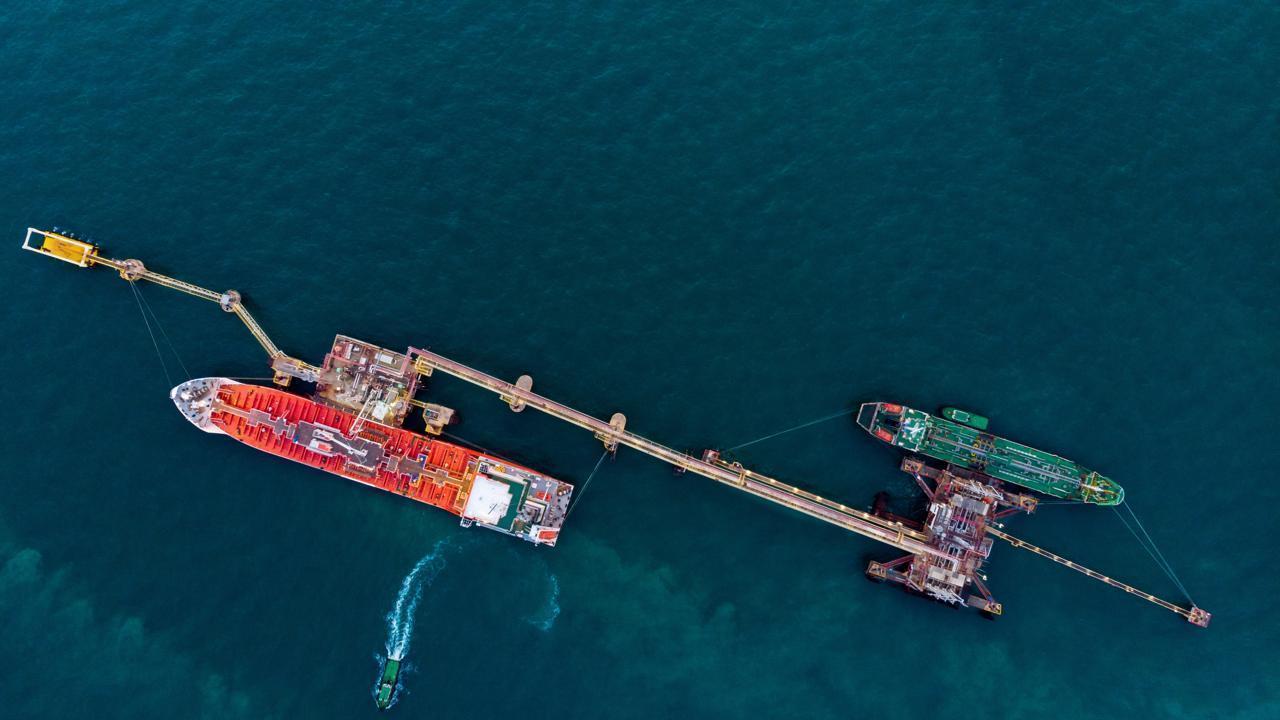
In a significant boost to eco-friendly maritime transportation, Kawasaki Heavy Industries has successfully delivered a state-of-the-art LPG-powered LPG/ammonia carrier, reinforcing the company’s position as a pioneer in next-generation shipbuilding technologies. The delivery marks an important milestone in the global shipping industry's transition toward cleaner fuels and enhanced environmental performance.
The vessel, named Grace Ocean, is designed not only to transport liquefied petroleum gas (LPG) but also ammonia, which is increasingly seen as a promising carbon-free marine fuel for the future.
Grace Ocean: A Dual-Purpose Carrier for Cleaner Oceans
Built at Kawasaki’s Sakaide Works in Japan, the Grace Ocean embodies the latest advancements in dual-purpose marine transport. With a capacity of 86,700 cubic meters, the ship is equipped to carry both LPG and ammonia, enabling flexible operations across multiple cargo types.
What sets this vessel apart is its main engine powered by LPG—significantly reducing greenhouse gas emissions compared to conventional heavy fuel oil. By burning cleaner fuel, the ship is expected to lower CO₂ emissions by approximately 20% while also cutting sulfur oxide (SOx) and nitrogen oxide (NOx) emissions, contributing to compliance with stringent global maritime regulations.
Paving the Way for Ammonia as a Zero-Carbon Marine Fuel
The inclusion of ammonia transportation capabilities positions the Grace Ocean at the forefront of the maritime sector’s decarbonization drive. As the shipping industry searches for viable alternatives to fossil fuels, ammonia has emerged as a potential zero-carbon solution due to its ability to burn without producing CO₂ when used as fuel.
Although ammonia propulsion technology is still under development, the vessel’s design anticipates future demand, enabling owners and operators to stay ahead of regulatory and environmental trends.
Kawasaki's Role in Shaping Green Marine Transportation
Kawasaki Heavy Industries has long been a leader in advanced marine engineering, particularly in the construction of LPG carriers, LNG vessels, and dual-fuel ships. The delivery of the Grace Ocean reflects Kawasaki’s commitment to both innovation and environmental responsibility in an era where the shipping industry faces mounting pressure to cut emissions.
The shipbuilder has invested heavily in eco-friendly ship designs, fuel flexibility, and enhanced energy efficiency, aligning with the International Maritime Organization’s (IMO) goal of reducing greenhouse gas emissions by 50% by 2050 compared to 2008 levels.
Growing Demand for Flexible and Sustainable Shipping
With the global demand for clean energy carriers on the rise, ships like the Grace Ocean offer shipping companies the flexibility to adapt to changing cargo needs and environmental regulations. The vessel’s dual-cargo capability allows it to serve both LPG markets—which remain essential for global energy supplies—and the emerging ammonia market tied to renewable energy and green hydrogen.
This versatility is seen as critical as more industries and nations adopt ammonia as part of their decarbonization strategies, particularly in regions like Asia-Pacific, Europe, and the Middle East, where clean fuel imports are accelerating.
Technical Innovations for Enhanced Safety and Efficiency
The Grace Ocean incorporates Kawasaki’s latest technical innovations to ensure both operational efficiency and safety when carrying potentially hazardous cargoes like ammonia. The ship features:
Such innovations not only contribute to lower emissions but also improve the vessel’s operational economics, offering cost savings to owners over the vessel's lifespan.
Aligning with Global Decarbonization Goals
The delivery of the Grace Ocean comes at a pivotal time for the maritime sector, which is under intense global scrutiny to cut emissions and meet decarbonization targets. The IMO’s revised greenhouse gas strategy, adopted in 2023, calls for the industry to achieve net-zero emissions by or around 2050—a goal that requires a swift shift to alternative fuels and cleaner ship designs.
By enabling LPG propulsion today and ammonia readiness for tomorrow, Kawasaki’s latest vessel supports the green transition of the shipping industry, ensuring that operators can meet evolving regulatory requirements without major retrofits.
Commercial and Environmental Advantages for Shipowners
For shipowners, the dual-fuel flexibility of vessels like the Grace Ocean offers tangible commercial benefits. By burning LPG, operators benefit from:
At the same time, the ability to transport ammonia prepares shipowners for future market opportunities tied to renewable energy trade, including green hydrogen and ammonia supply chains that are rapidly expanding in Japan, South Korea, Europe, and Australia.
Kawasaki’s Continued Commitment to Sustainable Shipping
The delivery of this vessel is part of Kawasaki’s broader strategy to lead in the development of low-emission marine transport technologies. The company is also exploring hydrogen carriers, carbon capture systems for ships, and further advances in dual-fuel engine technology.
Kawasaki aims to remain at the forefront of the global push to decarbonize shipping, working closely with shipowners, regulators, and technology partners to create vessels that meet both economic and environmental imperatives.
A Greener Maritime Future
As global shipping accounts for nearly 3% of total greenhouse gas emissions, the deployment of vessels like the Grace Ocean is a critical step towards a sustainable maritime future. The combination of LPG propulsion, ammonia readiness, and advanced engineering reflects the industry's transition to cleaner fuels without compromising operational efficiency or profitability.
With more such vessels expected to join the global fleet in the coming years, Kawasaki Heavy Industries’ latest delivery not only sets new standards for marine transportation but also underscores the importance of innovation in achieving global climate targets.
Kawasaki Sets the Pace for Green Marine Transport
The successful delivery of the Grace Ocean, an LPG-powered, ammonia-capable carrier, marks a key moment in the evolution of sustainable shipping. By combining flexible fuel options with eco-conscious design, Kawasaki Heavy Industries is helping to steer the maritime sector towards a cleaner, smarter, and more resilient future—one vessel at a time.
Kawasaki, Marine Transport, LPG





Advances in Aerospace Technology and Commercial Aviation Recovery
Insights into breakthrough aerospace technologies and commercial aviation’s recovery amid 2025 chall

Defense Modernization and Strategic Spending Trends
Explore key trends in global defense modernization and strategic military spending shaping 2025 secu

Tens of Thousands Protest in Serbia on Anniversary of Deadly Roof Collapse
Tens of thousands in Novi Sad mark a year since a deadly station roof collapse that killed 16, prote

Canada PM Carney Apologizes to Trump Over Controversial Reagan Anti-Tariff Ad
Canadian PM Mark Carney apologized to President Trump over an Ontario anti-tariff ad quoting Reagan,

The ad that stirred a hornets nest, and made Canadian PM Carney say sorry to Trump
Canadian PM Mark Carney apologizes to US President Trump after a tariff-related ad causes diplomatic

Bengaluru-Mumbai Superfast Train Approved After 30-Year Wait
Railways approves new superfast train connecting Bengaluru and Mumbai, ending a 30-year demand, easi



