Post by : Saif
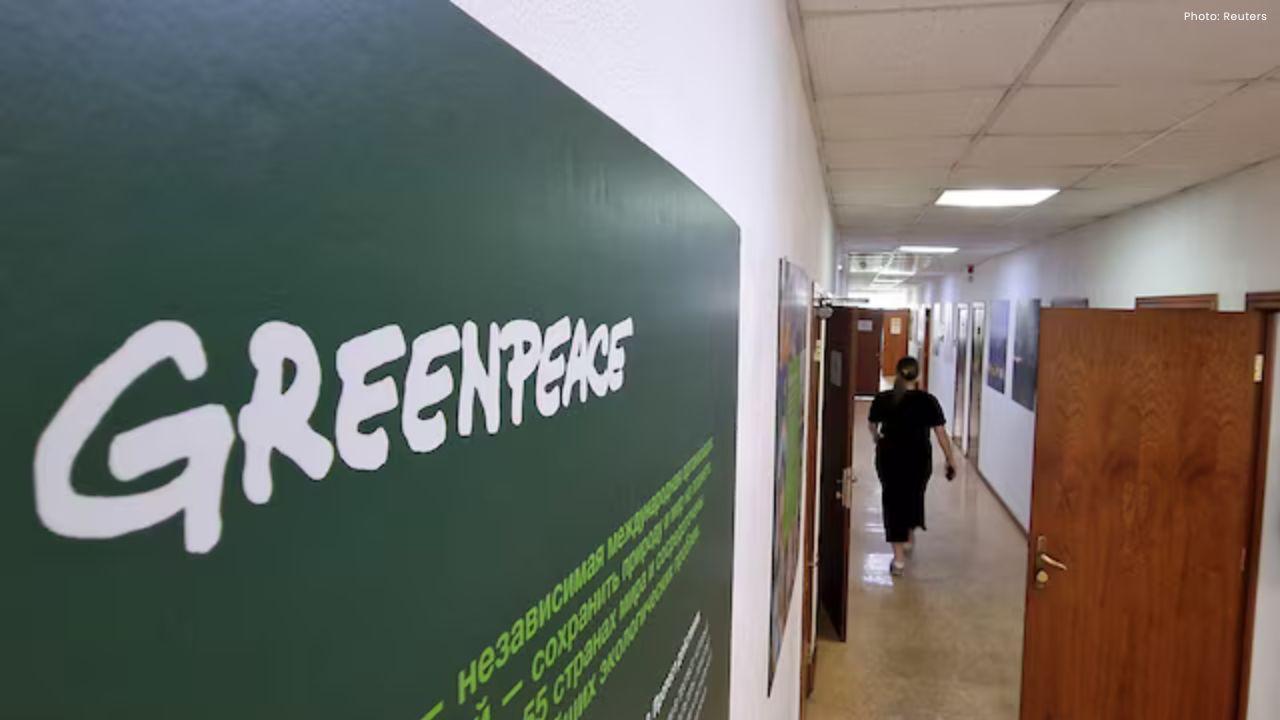
A judge in North Dakota has finalized a $345 million judgment against Greenpeace in a long-running lawsuit linked to protests over the Dakota Access Pipeline. The decision marks a major moment in a legal battle that has drawn attention across the United States and beyond.
The case was filed by Energy Transfer, the company behind the Dakota Access Pipeline. Energy Transfer argued that Greenpeace played a key role in organizing and supporting protests that delayed construction of the pipeline and caused financial damage. The company claimed that the environmental group spread false information and encouraged actions that went beyond peaceful protest.
The protests began in 2016 and 2017, when the pipeline was under construction. Many Native American groups, including members of the Standing Rock Sioux Tribe, opposed the project. They feared the pipeline could threaten their water supply and sacred lands. Environmental activists joined the demonstrations, which drew national and international attention. Large camps were set up near the construction site, and there were clashes between protesters and law enforcement.
In 2019, Energy Transfer filed its lawsuit against Greenpeace and related entities. The company accused the group of defamation, trespassing, and conspiracy. It said these actions led to construction delays, extra security costs, and reputational harm.
In March 2025, a jury in Morton County, North Dakota, sided with Energy Transfer and awarded about $667 million in damages. However, later that year, the judge reviewed the amount and reduced it to $345 million. The judge said the lower amount was more appropriate based on the evidence presented during the trial. The recent ruling officially enters that reduced amount as the final judgment.
Greenpeace has denied the claims and said it acted within the law. The organization argues that it supported peaceful protest and exercised its right to free speech. It has described the lawsuit as an attempt to silence environmental activism. Greenpeace leaders have said they plan to continue challenging the decision in court.
Legal experts say the case could have wider effects on activism in the United States. Some believe that such a large financial judgment may discourage nonprofit groups from speaking out on controversial issues. Others argue that companies have the right to seek damages if they believe they have been harmed by unlawful actions.
The Dakota Access Pipeline carries oil from North Dakota to Illinois. It became one of the most debated energy projects in recent U.S. history. Supporters say it helps transport energy safely and supports economic growth. Opponents say it poses environmental risks and threatens Indigenous rights.
Now that the judgment has been finalized, Greenpeace may seek a new trial or appeal to higher courts, including the North Dakota Supreme Court. The appeals process could take months or even years. Until then, the ruling stands as one of the largest financial judgments ever faced by an environmental organization in the United States.
The case highlights the ongoing tension between energy development and environmental activism. It also raises questions about how courts balance corporate interests with the right to protest. As legal steps continue, many observers will be watching closely to see how the next stage of this case unfolds.
#trending #latest #Greenpeace #DakotaAccessPipeline #EnergyTransfer #NorthDakota #EnvironmentalLaw #PipelineProtests #USCourts #armustnews









Advances in Aerospace Technology and Commercial Aviation Recovery
Insights into breakthrough aerospace technologies and commercial aviation’s recovery amid 2025 chall

Defense Modernization and Strategic Spending Trends
Explore key trends in global defense modernization and strategic military spending shaping 2025 secu

Tens of Thousands Protest in Serbia on Anniversary of Deadly Roof Collapse
Tens of thousands in Novi Sad mark a year since a deadly station roof collapse that killed 16, prote

Canada PM Carney Apologizes to Trump Over Controversial Reagan Anti-Tariff Ad
Canadian PM Mark Carney apologized to President Trump over an Ontario anti-tariff ad quoting Reagan,

The ad that stirred a hornets nest, and made Canadian PM Carney say sorry to Trump
Canadian PM Mark Carney apologizes to US President Trump after a tariff-related ad causes diplomatic

Bengaluru-Mumbai Superfast Train Approved After 30-Year Wait
Railways approves new superfast train connecting Bengaluru and Mumbai, ending a 30-year demand, easi



