Post by : Saif
The war involving Iran has become a serious concern not only for the Middle East but also for the global economy. Economists say the conflict is adding new uncertainty to a world economy that was already facing pressure from political tensions, rising costs, and unstable markets.
When conflicts happen in regions that are important for energy production and trade, the effects can spread quickly across the world. The Middle East is one of the most important areas for global oil supply, and any disruption there can affect fuel prices, transportation costs, and the price of many everyday goods.
The current crisis began after military strikes targeted Iran, leading to a wider confrontation in the region. Since then, tensions have continued to grow, and the fighting has raised fears about the safety of major shipping routes and energy facilities.
One of the first signs of economic impact has been the sudden rise in oil prices. Energy markets reacted quickly to the conflict because traders worry that supplies could be interrupted. Oil prices climbed sharply after the fighting began, reflecting concerns that the war could affect production or transportation in the region.
Higher oil prices often lead to higher costs for businesses and consumers. Fuel is used in transportation, shipping, manufacturing, and electricity generation. When fuel becomes more expensive, companies usually pass those extra costs to customers. As a result, prices for food, goods, and services can increase.
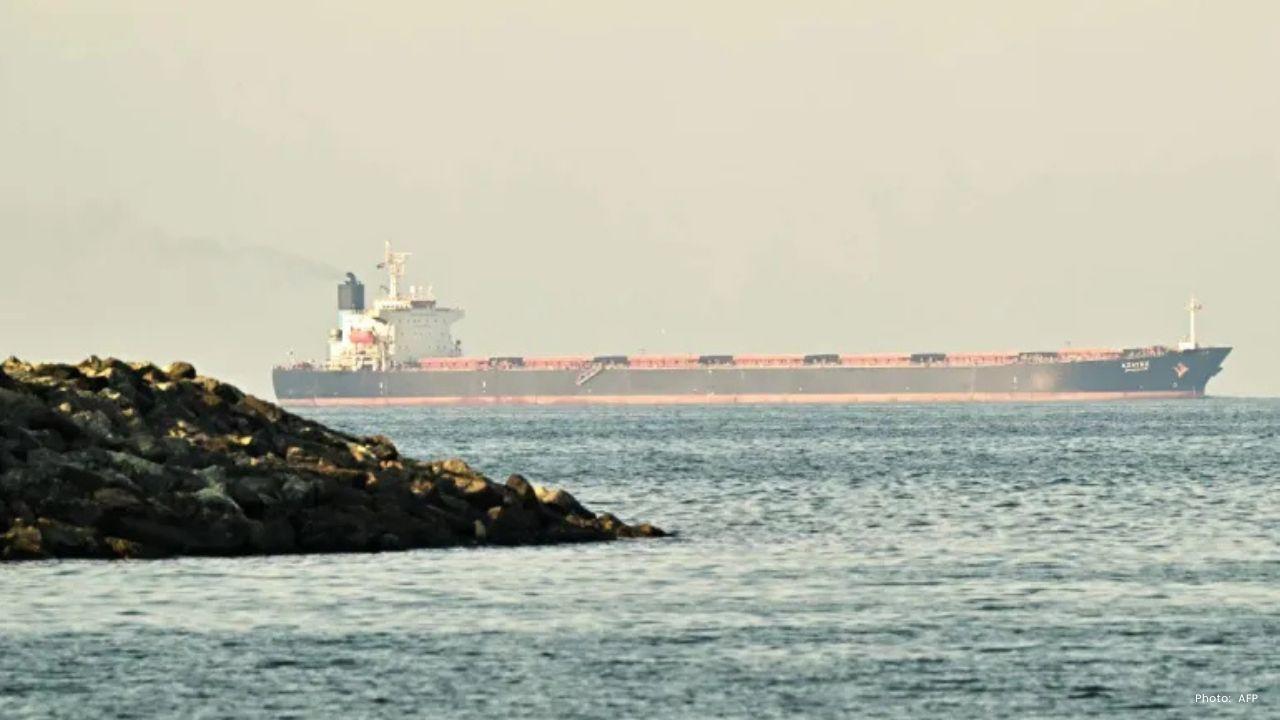
Another major concern is the Strait of Hormuz, a narrow waterway that connects the Persian Gulf with the rest of the world. A large share of the world’s oil shipments travels through this route every day. If ships cannot safely pass through the strait, global energy supplies could be affected.
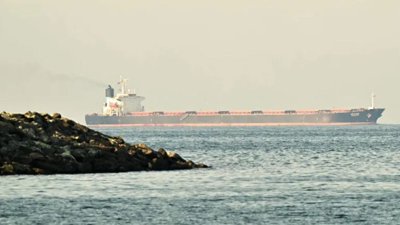
Since the conflict started, shipping companies have become more cautious about sending vessels through the region. Some tankers have delayed their journeys, while others are waiting outside the area until the security situation becomes clearer. This slowdown in shipping has already added pressure to oil markets.
Financial markets have also reacted to the growing tensions. Investors often move their money to safer assets when global risks increase. Because of this, stock markets in several regions have experienced sudden changes as traders respond to the uncertain situation.
The war is creating difficulties for businesses that depend heavily on energy or global trade. Airlines, shipping companies, and manufacturing industries are especially sensitive to changes in fuel prices. If energy costs remain high for a long period, these industries may face higher operating expenses.
Tourism and international travel may also be affected. Airlines sometimes change flight routes during conflicts to avoid dangerous airspace. These changes can increase flight times and fuel consumption. In some cases, travel demand also decreases when people feel uncertain about global stability.
Experts say the timing of this conflict is particularly challenging for the world economy. In recent years, global markets have already faced several disruptions, including trade disputes, inflation, and geopolitical tensions. These problems have made economic recovery slower in many countries.
For developing nations, the impact of rising oil prices can be especially difficult. Many of these countries depend heavily on imported fuel. When prices increase, governments must spend more money to buy energy from abroad. This can weaken national budgets and create financial pressure.
Food prices may also rise if transportation costs increase. Many agricultural products are shipped long distances before reaching consumers. Higher fuel costs make transportation more expensive, which can lead to higher prices in supermarkets.
The conflict could also affect investment decisions. Businesses often delay major projects during times of uncertainty. Companies may wait until the political situation becomes clearer before expanding factories, launching new services, or hiring more workers.
Despite these concerns, some economists believe the global economy could still remain stable if the conflict does not spread further. Markets have experienced geopolitical shocks before and have sometimes recovered quickly once tensions eased.
However, the biggest risk is that the conflict could expand to involve more countries or disrupt major energy facilities. If that happens, the economic impact could become much more serious and long-lasting.
The situation has also reminded the world how closely connected politics and economics have become. A military conflict in one region can quickly influence fuel prices, financial markets, and business decisions in many other parts of the world.
For governments and international organizations, the priority now is to prevent the crisis from growing into a wider war. Diplomatic efforts and negotiations may play a key role in reducing tensions and protecting global economic stability.
As the war continues, businesses, investors, and governments will keep watching developments closely. The future of the global economy may depend in part on how quickly the conflict can be contained and whether peace efforts succeed.
For millions of people around the world, the hope is that stability will return soon and that the economic consequences of the conflict will remain limited.
#trending #latest #IranWar #GlobalEconomy #OilPrices #MiddleEastConflict #EnergyMarkets #WorldEconomy #Geopolitics #Inflation #EconomicImpact #armustnews




Advances in Aerospace Technology and Commercial Aviation Recovery
Insights into breakthrough aerospace technologies and commercial aviation’s recovery amid 2025 chall

Defense Modernization and Strategic Spending Trends
Explore key trends in global defense modernization and strategic military spending shaping 2025 secu

Tens of Thousands Protest in Serbia on Anniversary of Deadly Roof Collapse
Tens of thousands in Novi Sad mark a year since a deadly station roof collapse that killed 16, prote

Canada PM Carney Apologizes to Trump Over Controversial Reagan Anti-Tariff Ad
Canadian PM Mark Carney apologized to President Trump over an Ontario anti-tariff ad quoting Reagan,

The ad that stirred a hornets nest, and made Canadian PM Carney say sorry to Trump
Canadian PM Mark Carney apologizes to US President Trump after a tariff-related ad causes diplomatic

Bengaluru-Mumbai Superfast Train Approved After 30-Year Wait
Railways approves new superfast train connecting Bengaluru and Mumbai, ending a 30-year demand, easi



