Post by : Amit
A Quiet Shift with Global Consequences
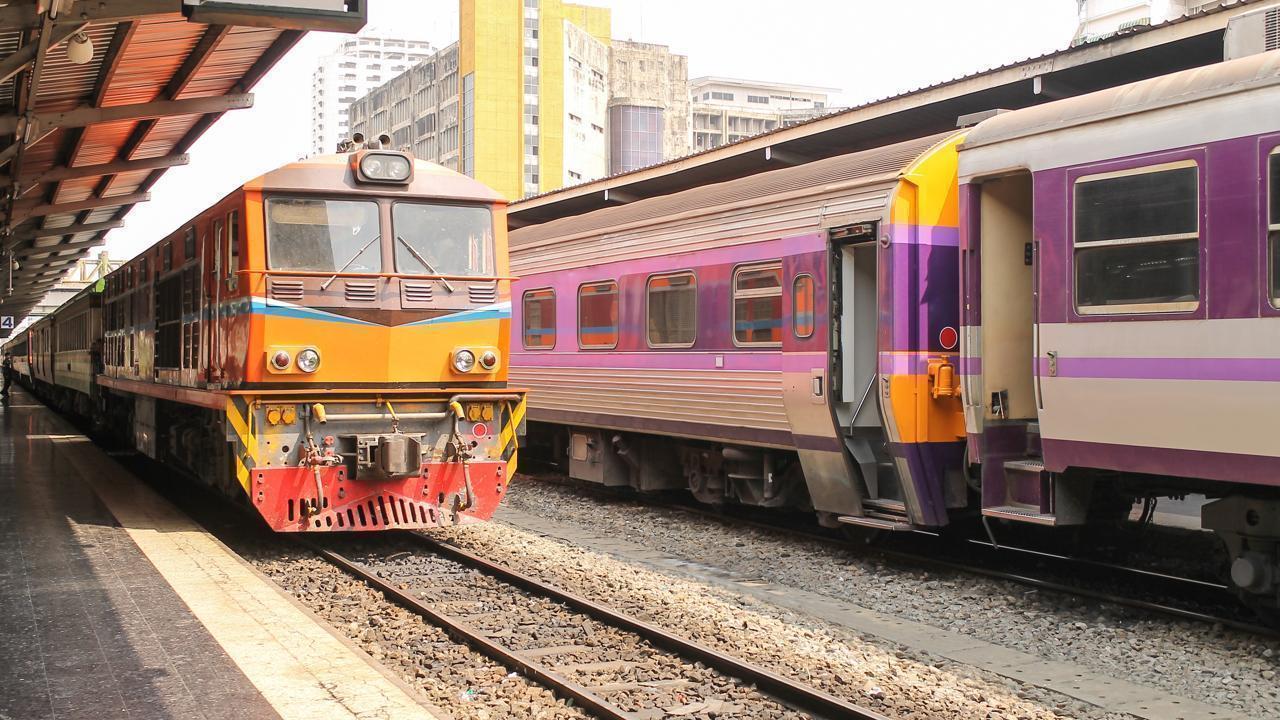
In a development quietly reshaping the global economic and geopolitical landscape, a newly operational rail corridor between Iran and China is being hailed as a game-changing link in the evolving Eurasian trade network. As reported by Iranian and Chinese state media, the route has begun transporting goods across thousands of kilometres of strategic terrain—cutting shipping times, bypassing Western chokepoints, and strengthening the foundations of a multipolar global order.
The rail line, which threads through Iran’s strategic landmass into Central Asia and onward to China’s western logistics zones, forms part of Beijing’s sprawling Belt and Road Initiative (BRI). Its completion and growing use are emblematic of the geoeconomic realignment currently underway across Eurasia, particularly as Western sanctions and maritime insecurity push several nations toward alternate overland options.
From Port Dependency to Overland Efficiency
Traditionally, trade between East Asia and the Middle East relied heavily on maritime routes like the Strait of Malacca and the Suez Canal. These sea lanes, though efficient under normal conditions, are increasingly vulnerable to geopolitical disruptions, sanctions regimes, and freight delays due to regional tensions or conflicts, as recently witnessed in the Red Sea and Persian Gulf regions.
The Iran-China rail link bypasses such maritime chokepoints entirely. Cargo can now move overland from eastern Chinese cities like Xi’an through Kazakhstan, Turkmenistan, and Iran, reaching key ports such as Bandar Abbas or heading west toward Turkey and eventually into Europe. This route reduces shipping times by up to 20 days compared to sea freight and offers greater predictability and resilience.
A Boost to Iran’s Transit Economy
For Iran, the railway represents more than just transport infrastructure—it is an economic and strategic lifeline. Facing years of U.S.-led sanctions that crippled oil exports and hampered access to global markets, Tehran has sought to position itself as a critical land bridge between Asia and Europe.
The corridor enhances Iran’s ambition to become a regional logistics hub, attracting investments in dry ports, special economic zones, and customs digitization. It also strengthens Iran’s partnerships with China, Russia, and Central Asia, consolidating its pivot away from the Western-dominated financial and trade systems.
Moreover, the project forms a major part of Iran's North-South and East-West corridor strategies, bringing it closer to integration with multilateral initiatives such as the International North-South Transport Corridor (INSTC) and Eurasian Economic Union (EAEU) networks.
Strategic Depth for China’s Belt and Road
For China, this rail corridor deepens its continental footprint and serves as a buffer against growing maritime competition with the U.S. and its allies in the Indo-Pacific. The Iran-China route offers a land-based alternative that aligns with China’s strategy to diversify trade logistics, especially for critical commodities, energy, and industrial components.
It also strengthens Beijing’s hand in the “Pivot to the West”, where development of western China—especially Xinjiang—relies on expanded cross-border connectivity. The corridor not only facilitates exports but also supports China’s growing role as a technological and financial power in regions historically aligned with Russia or the West.
A New Geoeconomic Bloc Emerging
Experts argue that the Iran-China rail link contributes to the emergence of a new geoeconomic bloc, rooted in infrastructure connectivity, shared digital standards, and parallel financial systems. As Russia, Iran, Central Asia, and China collaborate more tightly across rail, energy, and tech platforms, they are crafting an alternative model to Western-aligned institutions like the IMF, World Bank, and WTO.
Currency swaps, de-dollarization trends, and growing trade in yuan and local currencies further support this shift. The rail corridor acts as both symbol and substance of this multipolar transition, where logistics is no longer just commercial—but ideological.
Security and Stability Still a Concern
Despite its promise, the route is not without risks. Political instability in the Middle East, unresolved border tensions in Central Asia, and ongoing surveillance concerns regarding China's presence in sensitive regions like Xinjiang and eastern Iran all pose potential threats to the corridor’s smooth functioning.
Moreover, the infrastructure gaps in parts of Iran and Turkmenistan still require significant upgrades to match Chinese rail standards. Cross-border customs coordination, freight tracking systems, and synchronized tariffs remain challenges needing multilateral resolution.
Western Reactions: Quiet Alarm and Strategic Reassessment
While Western capitals have largely avoided public commentary on the Iran-China rail link, analysts suggest that the project is being closely monitored as part of a broader realignment of global trade flows. The corridor’s successful activation serves as a case study in how nations can circumvent U.S.-led economic frameworks through strategic infrastructure, bilateral cooperation, and alternative logistics chains.
In the long run, such corridors could reduce Western leverage in global chokepoints, from insurance markets to sanctions compliance, forcing a strategic reassessment of how influence is projected in a multipolar world.
Expanding East-West Freight Highways
With growing cargo volumes, new logistics hubs emerging in Iran’s interior, and rising interest from countries like Pakistan, Azerbaijan, and Turkey, the Iran-China rail link is set to become a backbone of next-generation Eurasian trade.
Planned multimodal integrations—connecting rail to ports, dry docks, and air cargo nodes—could further elevate the corridor’s value. Meanwhile, Chinese and Iranian officials have indicated that digital infrastructure will soon be layered atop the physical network, enabling smart cargo management and synchronized customs clearance using blockchain and AI tools.
As the rail line continues to evolve, it is not just transporting goods—it’s carrying the weight of a changing world order, where trade lanes reflect shifting alliances and where tracks laid in desert soil may soon rival sea routes shaped over centuries.
Iran, China, Railway, Trade









Advances in Aerospace Technology and Commercial Aviation Recovery
Insights into breakthrough aerospace technologies and commercial aviation’s recovery amid 2025 chall

Defense Modernization and Strategic Spending Trends
Explore key trends in global defense modernization and strategic military spending shaping 2025 secu

Tens of Thousands Protest in Serbia on Anniversary of Deadly Roof Collapse
Tens of thousands in Novi Sad mark a year since a deadly station roof collapse that killed 16, prote

Canada PM Carney Apologizes to Trump Over Controversial Reagan Anti-Tariff Ad
Canadian PM Mark Carney apologized to President Trump over an Ontario anti-tariff ad quoting Reagan,

The ad that stirred a hornets nest, and made Canadian PM Carney say sorry to Trump
Canadian PM Mark Carney apologizes to US President Trump after a tariff-related ad causes diplomatic

Bengaluru-Mumbai Superfast Train Approved After 30-Year Wait
Railways approves new superfast train connecting Bengaluru and Mumbai, ending a 30-year demand, easi



