Post by : Avinab Raana
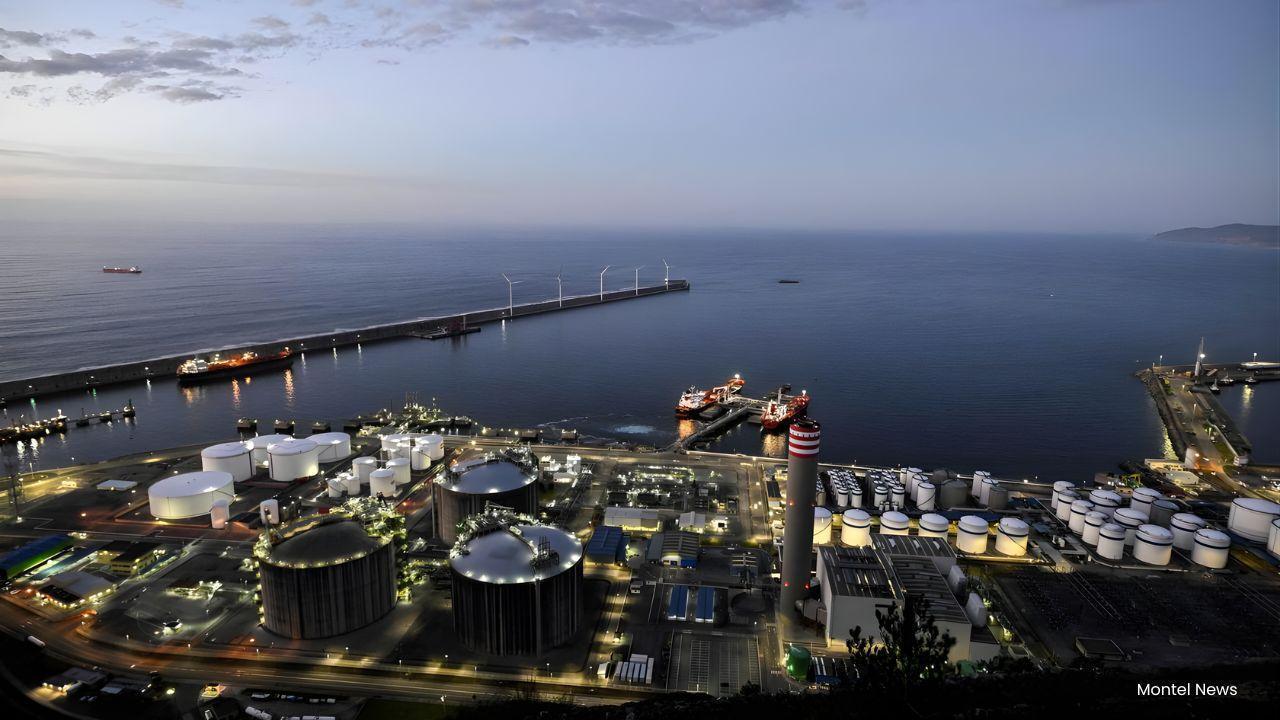
Photo : X / Montel News
A sudden Hormuz oil shutdown is sending ripples through the global maritime industry as tanker movements slow across one of the world’s most critical energy corridors. The Strait of Hormuz serves as a vital gateway for oil exports from the Middle East, and any disruption in this narrow channel quickly impacts shipping operations and fuel availability worldwide. Shipping companies, fuel suppliers, and commodity traders are now scrambling to assess the scale of the disruption and its potential impact on global maritime fuel supply chains.
One of the first sectors to feel the strain is the global bunker fuel market, which supplies the heavy marine fuel used by cargo ships and tankers. As oil shipments slow and refining flows tighten, bunker fuel availability is becoming increasingly uncertain in several major maritime hubs. The developing bunker fuel supply crisis is already pushing ship operators to reconsider fuel planning strategies, as rising prices and limited availability threaten to increase operational costs across global fleets.
The shutdown is not only affecting energy markets but also key industrial commodities tied to oil production and refining. Materials such as sulfur, petrochemical feedstocks, and certain industrial inputs depend heavily on Gulf region exports. With shipping routes disrupted, supply chains linked to these materials are now experiencing mounting pressure. Industries ranging from manufacturing to agriculture could face higher costs if disruptions continue.
The Strait of Hormuz shipping corridor has long been recognized as one of the most strategically sensitive waterways in the global energy trade. A significant portion of the world’s crude oil and petroleum products typically passes through this route every day. When disruptions occur in this chokepoint, the ripple effects extend across tanker markets, freight rates, and maritime insurance costs. Shipping operators are now closely monitoring vessel movements while exploring alternative routing strategies where possible.
For the global shipping industry, the biggest concern is the potential surge in fuel costs. Marine fuel expenses represent one of the largest operational costs for commercial vessels, and fluctuations in supply can dramatically alter freight economics. If the Hormuz oil shutdown continues to constrain tanker flows, bunker fuel prices could climb sharply in major ports across Asia, Europe, and the Middle East, placing additional pressure on global trade logistics.
The current disruption highlights just how vulnerable global supply chains remain to geopolitical tensions. Key maritime chokepoints like the Strait of Hormuz serve as lifelines for energy and industrial commodities moving across continents. For shipping companies and energy markets alike, the unfolding situation is a reminder that stability in maritime corridors is essential for keeping global trade flowing. If tanker traffic remains constrained, the global bunker fuel market could face sustained volatility in the weeks ahead.
#trending #latest, Hormuz oil shutdown, bunker fuel supply crisis, Strait of Hormuz shipping, global bunker fuel market, maritime fuel supply, oil shipping chokepoint, shipping fuel disruption









Advances in Aerospace Technology and Commercial Aviation Recovery
Insights into breakthrough aerospace technologies and commercial aviation’s recovery amid 2025 chall

Defense Modernization and Strategic Spending Trends
Explore key trends in global defense modernization and strategic military spending shaping 2025 secu

Tens of Thousands Protest in Serbia on Anniversary of Deadly Roof Collapse
Tens of thousands in Novi Sad mark a year since a deadly station roof collapse that killed 16, prote

Canada PM Carney Apologizes to Trump Over Controversial Reagan Anti-Tariff Ad
Canadian PM Mark Carney apologized to President Trump over an Ontario anti-tariff ad quoting Reagan,

The ad that stirred a hornets nest, and made Canadian PM Carney say sorry to Trump
Canadian PM Mark Carney apologizes to US President Trump after a tariff-related ad causes diplomatic

Bengaluru-Mumbai Superfast Train Approved After 30-Year Wait
Railways approves new superfast train connecting Bengaluru and Mumbai, ending a 30-year demand, easi



