Post by : Avinab Raana
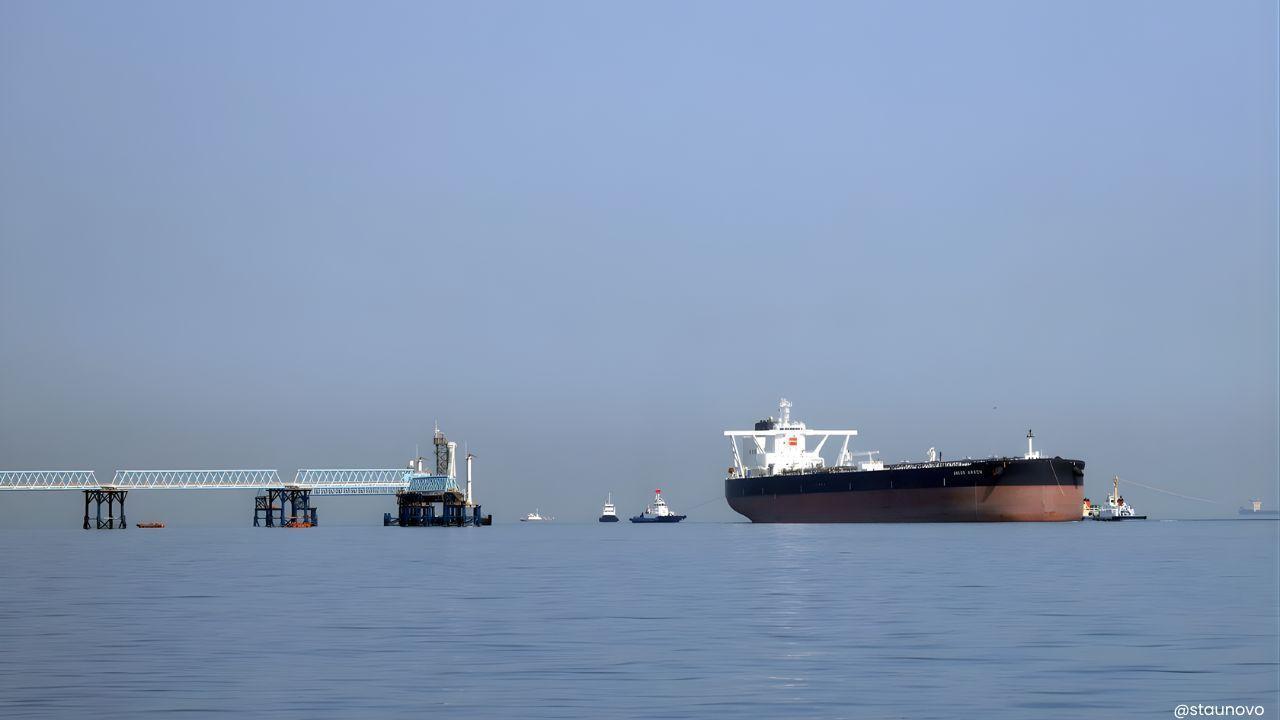
Photo : X / @staunovo
The Strait of Hormuz, one of the world’s most critical maritime chokepoints, is once again under heightened scrutiny as geopolitical tensions escalate across the region. For global shipping, this narrow waterway is far more than a passage, it is a lifeline that carries a significant share of the world’s oil and trade cargo. In this volatile environment, even minor disruptions can trigger ripple effects across global supply chains, energy markets, and logistics networks. Against this backdrop, Indian authorities have issued a strong advisory urging vessels to remain in constant communication, signaling a growing emphasis on maritime vigilance and real-time coordination.
India’s Directorate General of Shipping has advised vessels transiting through the Strait of Hormuz to maintain regular contact with authorities, emphasizing the importance of real-time updates and situational awareness. The advisory highlights the need for ships to share their position, voyage details, and any unusual activity to ensure swift response in case of emergencies.
This move reflects a proactive approach to maritime safety, where communication becomes the first line of defense against potential threats. In high-risk zones like Hormuz, where security dynamics can shift rapidly, the ability to stay connected can make the difference between safe passage and operational disruption.
The Information Fusion Centre–Indian Ocean Region (IFC-IOR) has also reinforced this advisory, urging vessels to stay alert and maintain consistent communication channels. As a key hub for maritime domain awareness, IFC-IOR plays a critical role in monitoring vessel movements, sharing intelligence, and coordinating responses across the Indian Ocean region.
By integrating inputs from multiple stakeholders, including naval forces and shipping operators, IFC-IOR enhances the collective ability to detect and respond to potential threats. This collaborative approach underscores the growing importance of data-driven maritime security in safeguarding global trade routes.
The Strait of Hormuz is not just another shipping route, it is one of the most strategically significant maritime corridors in the world. A substantial portion of global oil exports and container traffic passes through this narrow stretch, making it highly sensitive to geopolitical developments. Any disruption in this region can lead to immediate spikes in freight rates, delays in cargo delivery, and broader economic consequences.
For India, which relies heavily on energy imports, ensuring the safety of vessels in this region is of paramount importance. The advisory reflects not just a safety measure, but a strategic necessity to protect national and global economic interests.
Modern maritime navigation relies heavily on advanced communication systems, satellite tracking, and real-time data exchange. In high-risk areas, these technologies become even more critical, enabling ships to share their location, receive alerts, and coordinate with authorities.
The emphasis on maintaining contact with DG Shipping and IFC-IOR highlights the role of digital navigation ecosystems in enhancing maritime safety. It also signals a shift toward more integrated and responsive maritime operations, where technology and communication work hand in hand to mitigate risks.
As tensions continue to evolve in the Strait of Hormuz, the advisory to maintain constant communication serves as a reminder of the fragile balance that underpins global trade. Shipping companies, vessel operators, and authorities must remain vigilant, adapting quickly to changing conditions while ensuring the uninterrupted flow of goods.
In an interconnected world, the safety of a single maritime corridor can influence economies across continents. The call for heightened communication is not just about precaution—it is about preserving the stability of global trade in uncertain times. And as the situation unfolds, the ability to stay informed, connected, and prepared will define how effectively the maritime industry navigates these challenges.
#trending #latest,#StraitOfHormuz #DGShipping #MaritimeSecurity #GlobalShipping #PortLogistics







Advances in Aerospace Technology and Commercial Aviation Recovery
Insights into breakthrough aerospace technologies and commercial aviation’s recovery amid 2025 chall

Defense Modernization and Strategic Spending Trends
Explore key trends in global defense modernization and strategic military spending shaping 2025 secu

Tens of Thousands Protest in Serbia on Anniversary of Deadly Roof Collapse
Tens of thousands in Novi Sad mark a year since a deadly station roof collapse that killed 16, prote

Canada PM Carney Apologizes to Trump Over Controversial Reagan Anti-Tariff Ad
Canadian PM Mark Carney apologized to President Trump over an Ontario anti-tariff ad quoting Reagan,

The ad that stirred a hornets nest, and made Canadian PM Carney say sorry to Trump
Canadian PM Mark Carney apologizes to US President Trump after a tariff-related ad causes diplomatic

Bengaluru-Mumbai Superfast Train Approved After 30-Year Wait
Railways approves new superfast train connecting Bengaluru and Mumbai, ending a 30-year demand, easi



