Post by : Avinab Raana
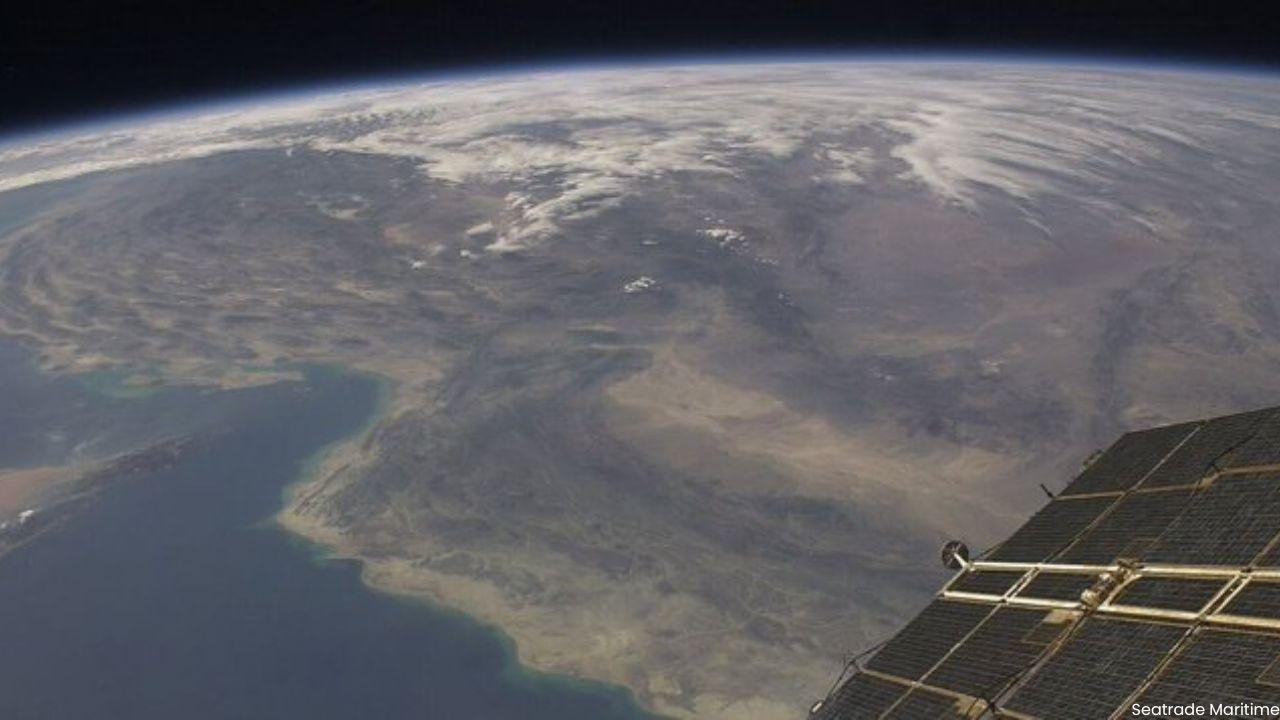
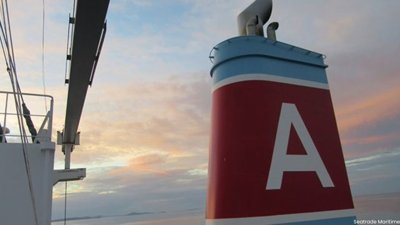
Photo : X / Seatrade Maritime
The global shipping industry is facing a human and operational crisis as thousands of seafarers remain stranded in one of the world’s most volatile maritime corridors. Leading industry bodies have intensified pressure on Gulf states to take immediate action, highlighting the urgent need to protect crews caught in escalating geopolitical tensions. At the heart of the issue lies the Strait of Hormuz, a critical artery for global trade that has become increasingly dangerous, leaving seafarers exposed to uncertainty, risk, and prolonged isolation at sea. With approximately 20,000 seafarers unable to safely transit the region, the situation is rapidly evolving into a major humanitarian and logistical challenge.
The International Chamber of Shipping (ICS) and the International Transport Workers’ Federation (ITF) have stepped forward with a clear and urgent message: seafarers must be treated as essential workers and their welfare must be prioritized without delay. Their discussions with Gulf state representatives have centered on practical solutions designed to address both immediate survival needs and long-term operational continuity. These include ensuring access to food, clean water, fuel, and medical assistance basic necessities that are increasingly difficult to guarantee in conflict-affected waters.
At the same time, the organizations have emphasized the importance of allowing seafarers to leave vessels safely if they choose to do so, reinforcing the principle that no worker should be forced to remain in a high-risk zone against their will. This call reflects a growing recognition that maritime labor rights are becoming as critical as operational efficiency in today’s global shipping environment.
Beyond welfare concerns, the crisis has exposed vulnerabilities in maritime logistics that could disrupt global trade flows. To address this, discussions have focused on introducing coordinated mechanisms through international maritime frameworks that allow ships to communicate urgent resupply needs directly to regional authorities. Such systems are expected to streamline support for vessels stranded in the Gulf while ensuring that supply chains continue to function under extreme conditions.
Gulf Cooperation Council (GCC) states have also indicated their willingness to provide logistical assistance, including facilitating crew changes and supporting vessels unable to leave the region. In exceptional cases, measures similar to those implemented during the COVID-19 pandemic may be reintroduced to manage expired contracts and certifications, ensuring that ships remain operational without compromising crew welfare.
One of the most critical proposals emerging from these discussions is the establishment of secure maritime corridors to enable safe navigation and evacuation where necessary. With attacks on vessels and rising security threats in the region, ensuring safe passage has become a top priority for both industry stakeholders and governments. Efforts are now being coordinated with global maritime authorities to create structured routes that can restore confidence and stability in one of the world’s busiest shipping lanes.This initiative is not just about immediate crisis management, it represents a broader attempt to safeguard the continuity of international trade, which relies heavily on uninterrupted maritime routes through the Gulf.
While the crisis is often measured in terms of disrupted supply chains and economic impact, its human dimension is impossible to ignore. Seafarers, who play a vital role in keeping global commerce moving, are now at the center of a conflict they did not create. Their safety, dignity, and rights have become a defining issue for the maritime industry, raising important questions about how global trade systems can better protect those who sustain them.As pressure mounts on Gulf states to act, this moment could mark a turning point in how seafarer welfare is addressed during geopolitical crises. The decisions taken now will not only shape the immediate outcome but also set the standard for how the industry responds to similar challenges in the future.
#trending #latest,#SeafarerWelfare #GulfCrisis #MaritimeSafety #GlobalShipping #StraitOfHormuz






Advances in Aerospace Technology and Commercial Aviation Recovery
Insights into breakthrough aerospace technologies and commercial aviation’s recovery amid 2025 chall

Defense Modernization and Strategic Spending Trends
Explore key trends in global defense modernization and strategic military spending shaping 2025 secu

Tens of Thousands Protest in Serbia on Anniversary of Deadly Roof Collapse
Tens of thousands in Novi Sad mark a year since a deadly station roof collapse that killed 16, prote

Canada PM Carney Apologizes to Trump Over Controversial Reagan Anti-Tariff Ad
Canadian PM Mark Carney apologized to President Trump over an Ontario anti-tariff ad quoting Reagan,

The ad that stirred a hornets nest, and made Canadian PM Carney say sorry to Trump
Canadian PM Mark Carney apologizes to US President Trump after a tariff-related ad causes diplomatic

Bengaluru-Mumbai Superfast Train Approved After 30-Year Wait
Railways approves new superfast train connecting Bengaluru and Mumbai, ending a 30-year demand, easi



