Global Shipping Disruptions: How 2025 Tariffs Are Hitting Steel and Battery Imports

Global Shipping Disruptions: How 2025 Tariffs Are Hitting Steel and Battery Imports

Post by : Meena Rani

Global Shipping Disruptions: How 2025 Tariffs Are Hitting Steel and Battery Imports

The global industrial sector is facing significant upheaval in 2025 as new tariffs on steel and battery imports ripple through manufacturing and logistics networks. These tariffs, imposed by several key trading nations, are disrupting supply chains, raising costs, and forcing industries to rethink sourcing and production strategies.

Overview of 2025 Tariffs

The 2025 tariffs affect multiple categories of industrial materials, with steel and battery imports being the most severely impacted. These measures aim to protect domestic industries but have created unintended consequences for global trade.

Key points include:

  • Steel Tariffs: Major steel-producing nations are now subject to duties ranging from 15–25%, increasing raw material costs for construction, automotive, and infrastructure projects.
  • Battery Tariffs: Lithium-ion and other advanced battery imports face tariffs, impacting the renewable energy, EV, and electronics sectors.
  • Trade Imbalances: The tariffs have prompted countries to seek alternative suppliers, creating a reshuffle in global supply chains.

Impact on Industrial Production

Rising import costs are directly affecting industrial production worldwide:

  • Automotive Sector: Increased steel and battery costs are driving up vehicle production expenses, particularly for electric vehicles.
  • Renewable Energy: Solar and wind projects relying on imported batteries face delays and higher operational costs.
  • Construction and Infrastructure: Steel price surges affect building projects, infrastructure expansion, and urban development.

Shipping and Logistics Challenges

The tariffs are compounded by ongoing shipping disruptions:

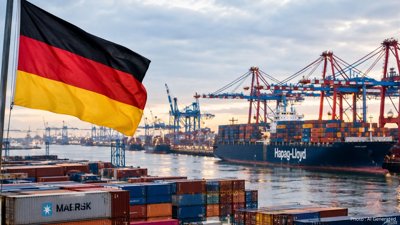
  • Port Congestion: Delays at key international ports create bottlenecks, slowing the delivery of essential raw materials.
  • Container Shortages: Limited availability of shipping containers increases freight costs and impacts inventory management.
  • Supply Chain Rerouting: Companies are exploring alternative routes and suppliers, adding complexity and risk.

Technological and Strategic Responses

Industries are adopting innovative strategies to mitigate the impact of tariffs and disruptions:

  • Local Sourcing: Companies are investing in domestic production of steel and batteries to reduce reliance on imports.
  • Advanced Manufacturing: Automation and AI-driven supply chain management improve efficiency and predict potential delays.
  • Inventory Optimization: Strategic stockpiling of raw materials to ensure uninterrupted production cycles.
  • Alternative Materials: Research into substitutes for steel and lithium-ion batteries to reduce dependency on high-tariff imports.

Economic and Geopolitical Implications

Global trade dynamics are shifting as a result of the tariffs:

  • Emerging economies are positioning themselves as alternative suppliers for steel and batteries.
  • Countries with heavy export reliance on steel or battery technology face economic pressure and potential job losses.
  • International trade negotiations are intensifying to address tariff disputes and maintain market stability.

Environmental Considerations

While the tariffs are economic in nature, they also have environmental consequences:

  • Local production initiatives may encourage more sustainable practices.
  • Supply chain rerouting could increase carbon emissions due to longer shipping distances.
  • Innovation in battery alternatives may accelerate adoption of eco-friendly materials.

Future Outlook

The 2025 tariffs are likely to have lasting effects on global industrial materials markets:

  • Companies may permanently diversify suppliers to reduce geopolitical risks.
  • Investment in local manufacturing capacity will increase, particularly in steel and battery production.
  • Supply chain digitization and AI-based predictive analytics will become critical for resilience.
  • International trade policies may evolve to mitigate disruptions and stabilize markets.

The combination of tariffs and shipping disruptions in 2025 has created a complex landscape for industrial materials like steel and batteries. Companies, governments, and industries must adapt quickly through local sourcing, technological innovation, and strategic planning. Understanding these dynamics is crucial to maintaining competitiveness in a rapidly changing global market.

Oct. 25, 2025 5:54 p.m. 1356

Global Shipping Steel Imports Battery Supply Chains Tariffs 2025 Manufacturing Disruptions Raw Materials Trends Industrial Production Logistics Challenges Supply Chain Management Global Trade


Arxis Targets $11.2B Valuation in US IPO
April 9, 2026 3:49 p.m.
Arxis eyes $11.2B valuation in US IPO, driven by rising defense spending and strong demand for aerospace components
Read More
deugro Ships 92 Vehicles Despite Peak Season Crunch
April 9, 2026 2:26 p.m.
deugro transports 92 vehicles from China to Chile, overcoming peak-season shipping constraints with precision logistics planning
Read More
OrbitronAI NovaOS Brings Governed AI to Industry
April 9, 2026 2:15 p.m.
OrbitronAI launches NovaOS, enabling governed AI agents for aviation and regulated sectors with full compliance and control
Read More
Aura Aero Secures €340M to Scale Electric Aviation
April 9, 2026 1:55 p.m.
Aura Aero raises €340M to accelerate hybrid-electric aircraft programs and global expansion in next-gen aviation
Read More
Norway Orders 20 Flying Electric Ferries
April 9, 2026 1:48 p.m.
Norway orders 20 electric hydrofoil ferries, cutting energy use by 80% and reshaping sustainable maritime transport
Read More
Genesis GV60 Elevates Cabin with Immersive Drive Tech
April 9, 2026 1:37 p.m.
Genesis GV60 introduces immersive drive modes and e-ASD sound tech, transforming EV cabins into sensory-driven experiences
Read More
Yanfeng XIM25 Redefines Fully Integrated Interiors
April 9, 2026 1:29 p.m.
Yanfeng’s XIM25 concept showcases fully integrated smart interiors with adaptive seating, immersive displays, and fluid cabin design
Read More
Zeekr Launches Next-Gen In-Car Entertainment Hub
April 9, 2026 1:23 p.m.
Geely Tech Europe and 3SS unveil Zeekr’s in-car entertainment hub with streaming, live TV, and smart cockpit integration
Read More
Nissan Juke Pulse Edition Redefines Interior Style
April 9, 2026 1:01 p.m.
Nissan unveils Juke Pulse Edition with premium interiors, bold design, and advanced tech, targeting style-focused urban SUV buyers
Read More
Sponsored

Trending News