Post by : Saif
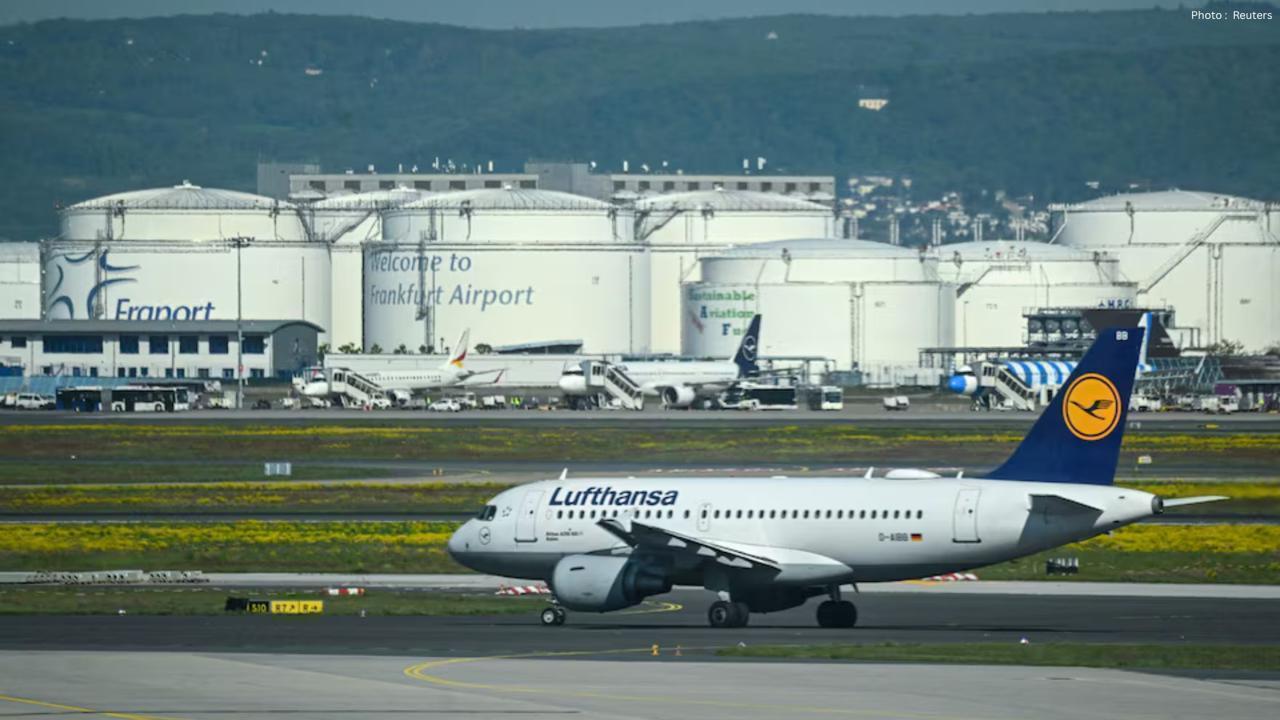
Germany has unveiled a new 15-year strategy aimed at strengthening its aviation industry, supporting economic growth, improving competitiveness, and accelerating the transition toward cleaner air travel. The long-term roadmap comes as Europe's largest economy seeks to address challenges facing airlines, airports, aircraft manufacturers, and related industries while ensuring that the country remains a major player in global aviation.
The plan, announced by the German government, is designed to provide a clear direction for the aviation sector through the next decade and beyond. Officials say the strategy focuses on reducing costs for the industry, encouraging innovation, supporting sustainable aviation technologies, and creating conditions that allow companies to compete more effectively in international markets. The initiative is also intended to help the sector recover fully from years of economic pressure, rising operating costs, and changing environmental regulations.
Germany has long been one of Europe's most important aviation centers. The country is home to major airports, leading aerospace companies, and a large network of airlines and aviation service providers. However, industry groups have repeatedly expressed concerns about increasing taxes, higher energy costs, and strict regulatory requirements that they believe have weakened the country's competitive position compared with other international aviation hubs.
Under the new strategy, the government plans to work closely with industry stakeholders to create a more supportive business environment. Authorities aim to reduce administrative burdens, improve infrastructure, and encourage investment in advanced technologies. Officials believe these measures will help attract new business opportunities while supporting existing aviation companies operating within Germany.
A major part of the strategy focuses on sustainability. Governments around the world are under increasing pressure to reduce carbon emissions from air travel. Germany intends to support the development and use of sustainable aviation fuels, which are considered a key tool in reducing the environmental impact of flights. Investments in research and innovation are expected to play an important role in helping the industry meet climate goals without sacrificing economic growth.
The roadmap also highlights the importance of technological advancement. New aircraft designs, improved fuel efficiency, digital systems, and modern airport infrastructure are expected to shape the future of aviation. By encouraging innovation, Germany hopes to strengthen its aerospace industry and maintain leadership in a rapidly changing global market.
Industry representatives have welcomed many aspects of the government's announcement. Aviation groups have argued that a long-term vision is necessary to provide stability and encourage investment. Businesses often make decisions years in advance, particularly in sectors that require significant infrastructure spending and technological development. A clear policy framework can help companies plan for future growth with greater confidence.
The economic impact of a stronger aviation industry could be significant. Air transport supports tourism, trade, manufacturing, and international business activity. Airports and airlines create jobs directly while also supporting employment in related sectors such as logistics, hospitality, engineering, and technology. Strengthening aviation can therefore contribute to broader economic development across the country.
At the same time, balancing growth with environmental responsibility remains a key challenge. Climate advocates continue to call for stronger measures to reduce emissions from air travel. Policymakers must find ways to support economic activity while advancing sustainability goals. The success of the strategy will depend largely on how effectively these objectives are aligned over the coming years.
The global aviation industry is undergoing a period of major transformation. Demand for air travel is recovering in many regions, while technological innovation and environmental concerns are reshaping the sector. Countries that successfully adapt to these changes are likely to gain significant economic advantages in the future.
Germany's new 15-year aviation strategy reflects an effort to prepare for this evolving landscape. By focusing on competitiveness, innovation, infrastructure, and sustainability, the government hopes to secure the long-term future of one of its most important industries. The effectiveness of the plan will ultimately depend on implementation, investment, and cooperation between government agencies and private-sector stakeholders.
As the strategy moves forward, attention will remain focused on whether the proposed measures can strengthen Germany's position in global aviation while meeting environmental commitments. If successful, the initiative could serve as a model for balancing economic growth with sustainable development in one of the world's most important transportation sectors.
#trending #latest #Germany #GermanAviation #AviationIndustry #AirTransport #Aerospace #AviationNews #EuropeanAviation #SustainableAviation #GreenAviation #Airlines #Airports #AviationGrowth







Advances in Aerospace Technology and Commercial Aviation Recovery
Insights into breakthrough aerospace technologies and commercial aviation’s recovery amid 2025 chall

Defense Modernization and Strategic Spending Trends
Explore key trends in global defense modernization and strategic military spending shaping 2025 secu

Tens of Thousands Protest in Serbia on Anniversary of Deadly Roof Collapse
Tens of thousands in Novi Sad mark a year since a deadly station roof collapse that killed 16, prote

Canada PM Carney Apologizes to Trump Over Controversial Reagan Anti-Tariff Ad
Canadian PM Mark Carney apologized to President Trump over an Ontario anti-tariff ad quoting Reagan,

The ad that stirred a hornets nest, and made Canadian PM Carney say sorry to Trump
Canadian PM Mark Carney apologizes to US President Trump after a tariff-related ad causes diplomatic

Bengaluru-Mumbai Superfast Train Approved After 30-Year Wait
Railways approves new superfast train connecting Bengaluru and Mumbai, ending a 30-year demand, easi



