Post by : Saif
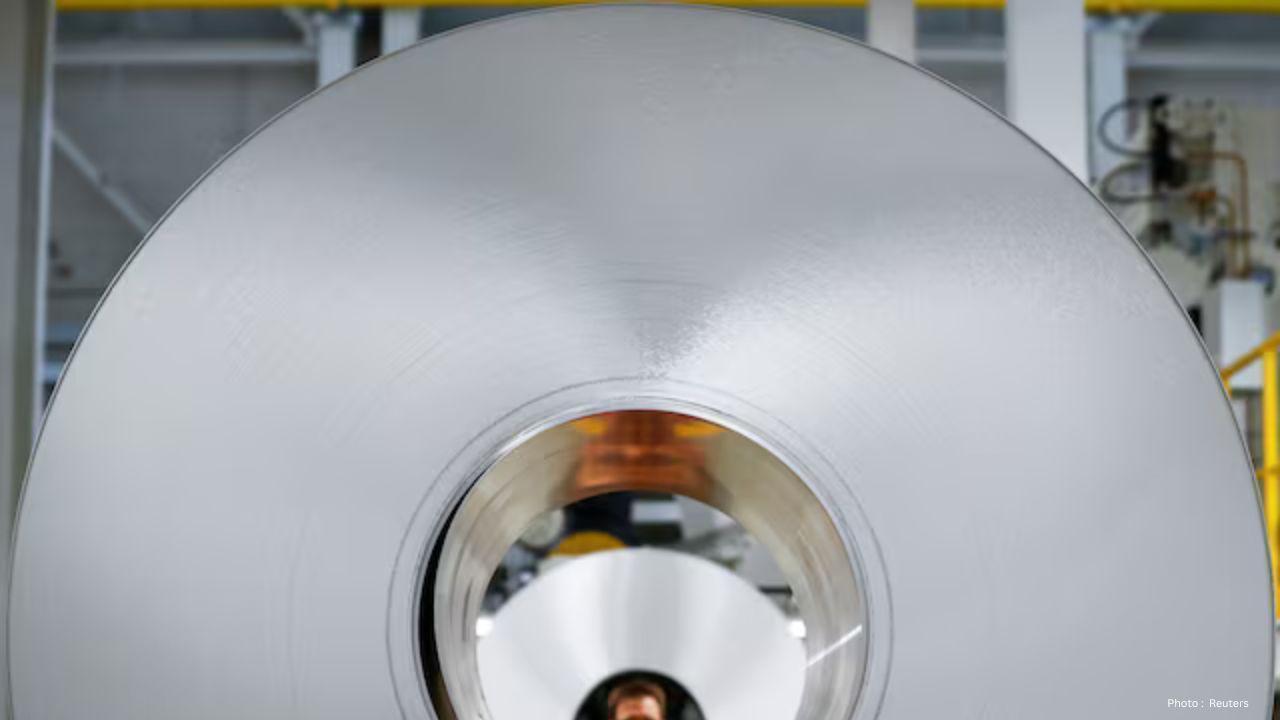
Ferrari and BMW are expanding the use of aluminium wiring in their latest vehicles, joining Tesla and several Chinese electric vehicle (EV) manufacturers in moving away from copper as rising prices and supply shortages reshape the global automotive industry. The transition reflects a growing effort by automakers to reduce costs, improve vehicle efficiency, and adapt to increasing demand for critical raw materials.
Industry analysts say the shift from copper to aluminium is expected to affect around 2% of global copper demand in 2026, with the trend likely to accelerate over the coming years as copper becomes more expensive due to growing demand from renewable energy projects, electric vehicles, and data centres.
Why Automakers Are Replacing Copper with Aluminium
Copper has been the preferred material for electrical wiring for more than two centuries because of its excellent electrical conductivity. However, record-high copper prices and concerns over long-term supply have encouraged manufacturers to consider alternatives.
Aluminium costs roughly one-quarter as much as copper and is significantly lighter, making it an attractive option for modern vehicles, especially electric cars where reducing weight can improve driving range and efficiency.
Although aluminium is less electrically efficient than copper and requires larger cables to carry the same amount of electricity, many manufacturers believe its cost and weight advantages outweigh these challenges in several automotive applications.
Ferrari Expands Aluminium Wiring Across New Models
Ferrari said it began using aluminium power cables in its 296 hybrid sports car last year before extending the technology to additional models, including the company's first fully electric vehicle, the Luce.
According to Ferrari, replacing copper with aluminium has reduced the total weight of vehicle wiring by as much as 20%, contributing to improved performance and greater energy efficiency.
Company officials said the decision was based on achieving better overall vehicle performance rather than simply reducing manufacturing costs.
BMW, Tesla and Chinese EV Makers Lead Industry Trend
BMW has been using aluminium conductors since 2011, initially introducing them in the 1 Series before expanding their use across hybrid and electric models equipped with its latest eDrive technology.
Tesla has also adopted aluminium wiring in various vehicle systems, while several Chinese electric vehicle manufacturers, including AVATR, XPeng, and Xiaomi, have accelerated the transition as China promotes greater use of aluminium in manufacturing.
Industry experts say the growing adoption among leading EV makers signals a broader transformation in automotive engineering.
China's Push Accelerates Aluminium Adoption
China, the world's largest consumer of industrial metals, has actively encouraged manufacturers to replace copper with aluminium through government policy.
A policy paper issued in 2025 promoted aluminium substitution across the automotive, power, and home appliance industries to reduce dependence on increasingly expensive copper.
Consultants estimate that 25% to 30% of copper components in these industries could be replaced with aluminium by 2030 if current trends continue.
Rising Copper Prices Drive Industry Changes
Copper prices reached record levels earlier this year, approaching $15,000 per metric ton, driven by supply shortages and rising demand from renewable energy projects, electric vehicles, and artificial intelligence data centres.
By comparison, aluminium currently trades at approximately $3,100 per metric ton, making it a much more affordable alternative for manufacturers seeking to reduce production costs.
Analysts at JPMorgan estimate that aluminium could replace around 6% of global annual copper demand by 2030, up from approximately 2% in 2026.
Challenges Remain Despite Cost Benefits
Despite its advantages, aluminium is not expected to replace copper entirely.
Copper continues to offer superior electrical conductivity and remains the preferred material for applications where maximum efficiency is essential. Aluminium production also requires significant amounts of energy, raising environmental concerns related to greenhouse gas emissions.
Industry experts believe future vehicle designs will likely combine both metals, using aluminium where weight and cost savings are most beneficial while retaining copper for high-performance electrical systems.
#trending #latest #Ferrari #BMW #Tesla #ElectricVehicles #EV #Automotive #Copper #Aluminium #AutoIndustry #China #Technology #Manufacturing #GreenEnergy #BusinessNews #Reuters #LatestNews #Innovation #CarNews








Advances in Aerospace Technology and Commercial Aviation Recovery
Insights into breakthrough aerospace technologies and commercial aviation’s recovery amid 2025 chall

Defense Modernization and Strategic Spending Trends
Explore key trends in global defense modernization and strategic military spending shaping 2025 secu

Tens of Thousands Protest in Serbia on Anniversary of Deadly Roof Collapse
Tens of thousands in Novi Sad mark a year since a deadly station roof collapse that killed 16, prote

Canada PM Carney Apologizes to Trump Over Controversial Reagan Anti-Tariff Ad
Canadian PM Mark Carney apologized to President Trump over an Ontario anti-tariff ad quoting Reagan,

The ad that stirred a hornets nest, and made Canadian PM Carney say sorry to Trump
Canadian PM Mark Carney apologizes to US President Trump after a tariff-related ad causes diplomatic

Bengaluru-Mumbai Superfast Train Approved After 30-Year Wait
Railways approves new superfast train connecting Bengaluru and Mumbai, ending a 30-year demand, easi



