Post by : Avinab Raana
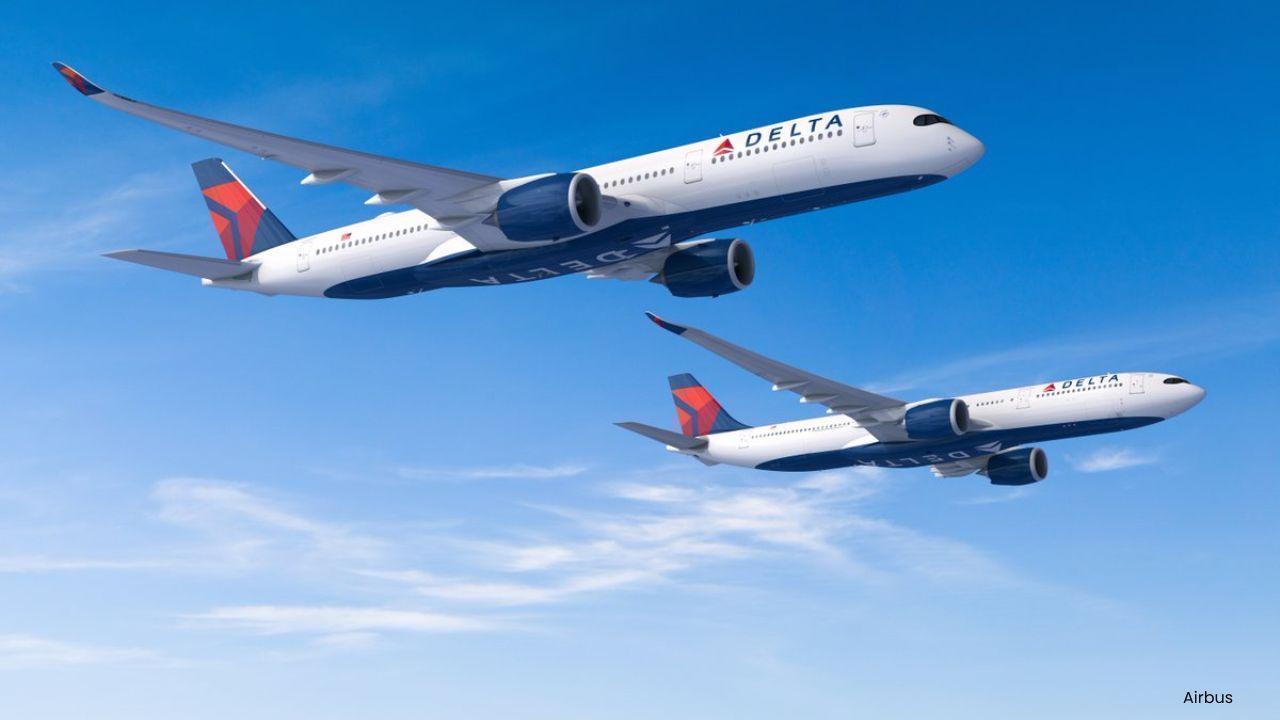
Photo : X / Airbus
In a move that signals a strategic shift toward enhanced passenger experience and revenue optimisation, Delta Air Lineshas revealed a new Delta A321neo seat map featuring a premium-heavy cabin layout that prioritises comfort, service and differentiated travel classes. The design places significant emphasis on premium economy expansion while maintaining flexibility for mainstream traveller demand, a blend that could reshape how airlines balance comfort with commercial performance in the highly competitive narrowbody market.
Delta’s latest configuration for its Airbus A321neo places a premium on passenger comfort with a larger allocation of premium seats compared with traditional layouts. The cabin includes expanded Premium Select seating with greater pitch, upgraded recline and enhanced amenities, signalling Delta’s intent to appeal to customers willing to pay more for an elevated experience. The strategic emphasis on premium economy expansion aligns with broader industry trends where carriers aim to extract higher yields while addressing passenger desire for roomier, more feature-rich cabins.
While the A321neo’s seat map elevates the premium seat count, it also optimises the Main Cabin area to ensure capacity and usability for mainstream travellers. Delta’s planners have meticulously balanced the ratio of premium to economy seats, aiming to maintain unit revenue while offering a compelling product that stands out in markets where competitors also deploy similar aircraft. The resulting configuration is engineered to support both demand segmentation and revenue management strategies as Delta seeks to maximise profitability on key domestic and international routes.
The move toward a premium-heavy A321neo cabin is rooted in evolving passenger preferences and revenue opportunities. Travellers are increasingly demanding differentiated experiences, particularly on flights where journey duration, comfort and in-flight service matter most. By strategically increasing the share of premium seats, Delta positions itself to capture higher fare classes while reinforcing brand loyalty. This shift also responds to the rising importance of ancillary revenue streams, with premium products offering stronger per-seat returns compared with traditional economy classes.
The Airbus A321neo has become a workhorse for many global airlines thanks to its fuel efficiency, range and flexible cabin configurations. Delta’s adaptation brings the aircraft’s performance benefits into a cabin concept tailored to contemporary demand. With improved fuel economics and lower operating costs per seat, the Delta A321neo seat mapenhances network flexibility, allowing the airline to deploy the aircraft on both domestic transcontinental and select international routes. It also supports frequent flyer priorities by integrating consistent seat classes across the fleet.
Beyond seat pitch and comfort, the premium-lean cabin introduces features designed to elevate the overall in-flight experience. These include dedicated service zones, upgraded in-flight entertainment displays, enhanced lighting and connectivity options that support better passenger engagement. For frequent travellers, such improvements translate to heightened comfort without the need for long-haul widebody aircraft, an advantage on busy narrowbody corridors.
Delta’s decision to prioritise a premium-heavy seating arrangement on the A321neo may influence how other carriers approach narrowbody cabin economics. As travel demand normalises and passengers continue to evaluate comfort alongside price, airlines are increasingly experimenting with seat map innovations that enhance per-passenger revenue while delivering quality. The resulting competition could elevate the standard for passenger expectations on single-aisle jets.
With the new Delta A321neo seat map now unveiled, industry watchers anticipate where Delta will deploy its refreshed aircraft first. High-demand domestic routes and transcontinental services are likely candidates, given their mix of business and premium leisure travellers. As the aircraft enters revenue service with its premium-focused configuration, its performance will be closely monitored by competitors and analysts alike- marking a potential benchmark for cabin innovation.
Delta Air Lines’ introduction of a premium-heavy A321neo seat map exemplifies how airlines are adapting to shifting passenger expectations and revenue dynamics. By doubling down on premium economy expansion while preserving economic flexibility, Delta signals confidence in a future where comfort, choice and strategic revenue design are central to airline growth. As this configuration rolls out and passenger feedback grows, the industry may see a broader trend toward premium-centric single-aisle cabin solutions.
Delta A321neo seat map, premium economy expansion, airline cabin innovation










Advances in Aerospace Technology and Commercial Aviation Recovery
Insights into breakthrough aerospace technologies and commercial aviation’s recovery amid 2025 chall

Defense Modernization and Strategic Spending Trends
Explore key trends in global defense modernization and strategic military spending shaping 2025 secu

Tens of Thousands Protest in Serbia on Anniversary of Deadly Roof Collapse
Tens of thousands in Novi Sad mark a year since a deadly station roof collapse that killed 16, prote

Canada PM Carney Apologizes to Trump Over Controversial Reagan Anti-Tariff Ad
Canadian PM Mark Carney apologized to President Trump over an Ontario anti-tariff ad quoting Reagan,

The ad that stirred a hornets nest, and made Canadian PM Carney say sorry to Trump
Canadian PM Mark Carney apologizes to US President Trump after a tariff-related ad causes diplomatic

Bengaluru-Mumbai Superfast Train Approved After 30-Year Wait
Railways approves new superfast train connecting Bengaluru and Mumbai, ending a 30-year demand, easi



