Post by : Amit
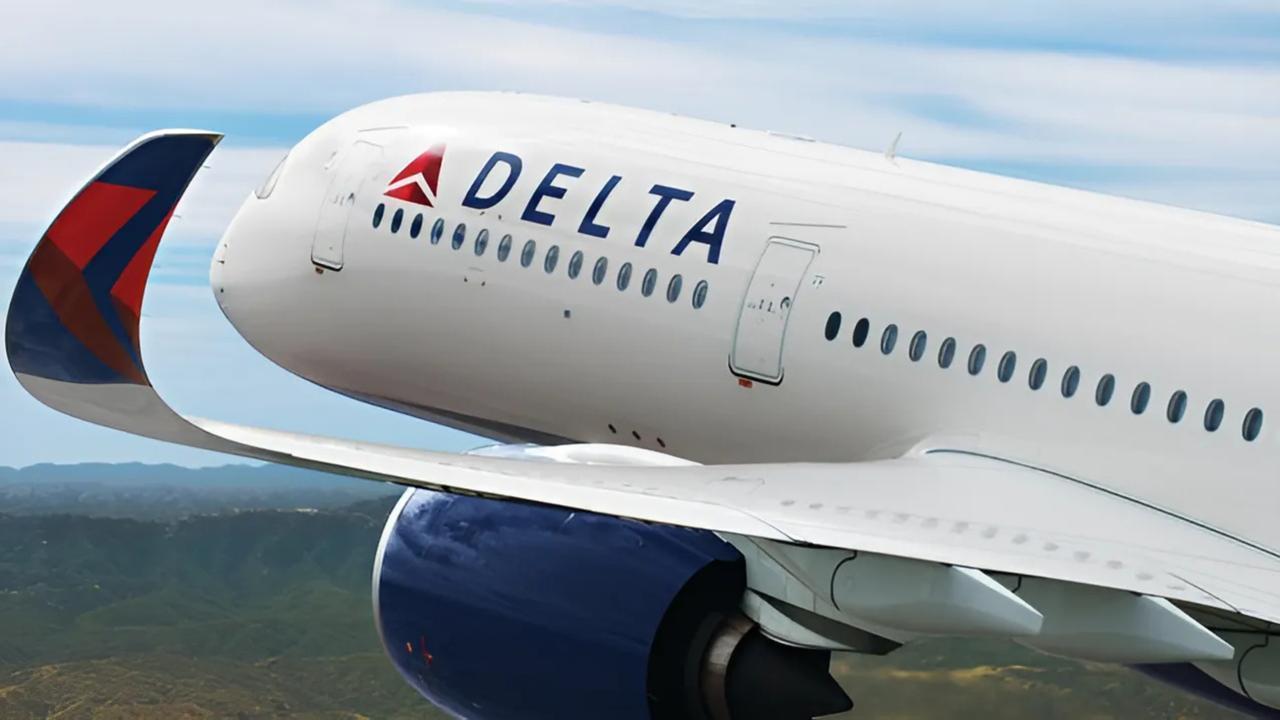
Photo : X / Delta
Delta Air Lines Expands Premium Seats to Elevate Passenger Comfort and Drive Revenue Growth
As global air travel surges back to pre-pandemic levels, Delta Air Lines is taking bold steps to redefine in-flight luxury and maximize profitability by significantly increasing the number of premium seats on its new aircraft. This strategic shift underscores the airline's focus on high-yield passengers while catering to growing demand for elevated travel experiences.
A Strategic Move to Capitalize on Premium Demand
Delta, one of the United States' leading carriers, has announced that its upcoming fleet of aircraft, including the new Airbus A321neo and Boeing 737-10, will feature an expanded configuration of premium seating. This includes a larger number of Delta One Suites, Premium Select, and First Class seats compared to traditional cabin layouts.
The decision comes as business travel rebounds and affluent leisure travelers continue to prioritize comfort over cost. According to Delta executives, premium seating not only delivers a superior passenger experience but also serves as a critical revenue driver in an increasingly competitive aviation market.
More Seats, Higher Profits: The Revenue Impact
Airlines worldwide are discovering that premium seats—though fewer in number—generate disproportionately higher revenue compared to economy seating. Delta's financial data indicates that premium cabins, which include business class and premium economy, can yield up to five times more revenue per square foot than standard economy sections.
By expanding the premium footprint on new aircraft, Delta aims to tap into this high-margin segment, ensuring its profitability remains resilient against rising operational costs such as fuel prices and labor expenses.
Delta’s President, Glen Hauenstein, emphasized that “the demand for premium experiences has never been stronger,” reflecting a shift in consumer behavior where passengers are willing to pay more for added comfort, privacy, and personalized service.
Enhanced Passenger Experience: Comfort as a Selling Point
The new premium cabins on Delta’s incoming fleet will feature several enhancements designed to create a best-in-class passenger experience. This includes lie-flat beds in Delta One, wider seats with more legroom in Premium Select, and state-of-the-art in-flight entertainment systems across all premium tiers.
Attention to detail extends to ambient lighting, upgraded meal services, noise-reducing cabin design, and luxurious materials used in seat finishes and cabin interiors. These features reflect a broader trend in the aviation industry, where airlines are investing heavily in premium interiors to differentiate themselves in a crowded market.
Responding to the Blended Traveler Phenomenon
Delta’s premium seating expansion also responds to the rise of the “blended traveler”—passengers who combine business and leisure in a single trip. Post-pandemic travel habits have shifted, with more professionals opting for extended stays and combining work with vacation. This emerging segment values both comfort and flexibility, making premium cabins increasingly appealing.
The airline is also seeing robust demand from leisure travelers seeking to splurge on premium experiences for milestone trips, honeymoons, or luxury vacations, further justifying the expanded premium offering.
Sustainability and Efficiency in Cabin Design
In addition to enhancing comfort, Delta’s premium seating strategy is being implemented with sustainability in mind. The new aircraft will feature lighter materials, energy-efficient cabin systems, and optimized layouts to reduce fuel consumption and environmental impact.
Delta has publicly committed to achieving net-zero emissions by 2050, and the redesign of cabin interiors plays a crucial role in this vision. Every kilogram saved in seating and interiors translates into fuel efficiency—offering both environmental and economic benefits.
Competitive Edge in a Hot Aviation Market
Delta's move to expand premium seating comes at a time when global aviation is witnessing heightened competition. Airlines such as American Airlines, United, and international carriers like Emirates and Qatar Airways are all upgrading their premium offerings to attract discerning travelers.
By staying ahead of the curve, Delta not only retains its loyal base of corporate clients but also captures market share among high-spending leisure passengers. The increased focus on premium cabins also allows Delta to better weather economic fluctuations, as premium demand has shown remarkable resilience even during downturns.
Fleet Modernization and Future Growth
The new premium configurations will be rolled out on Delta’s Airbus A321neo aircraft, Boeing 737-10s, and potentially on international wide-body jets in the coming years. This is part of Delta's broader fleet modernization plan, which aims to replace older aircraft with more fuel-efficient, passenger-friendly models.
The airline has already placed significant orders for new planes to meet rising demand and ensure capacity growth through 2027 and beyond. The focus on premium seating is central to this strategy, with expectations that premium cabins will represent a larger share of total seat count on future deliveries.
Meeting Changing Customer Expectations
Delta’s emphasis on premium seating reflects deeper shifts in consumer expectations. Passengers today are looking for more than just transportation—they seek experiences. Comfort, privacy, connectivity, and wellness have become essential pillars of the modern flying experience.
To meet these evolving needs, Delta is investing not only in physical seating upgrades but also in enhanced digital experiences, loyalty program improvements, and airport lounge expansions. These initiatives work in tandem to create a seamless end-to-end premium journey for travelers.
Challenges and Market Risks
While the strategy offers significant upside, it is not without risks. Rising operational costs, volatile fuel prices, and potential economic slowdowns could impact the profitability of premium-heavy aircraft configurations. Moreover, over-reliance on premium travel could expose airlines to vulnerability if corporate demand softens.
Delta, however, appears confident in its balanced approach—offering expanded premium seating while maintaining strong economy class offerings to ensure broad market appeal.
Redefining the Skies with Premium Travel
As the aviation industry continues to evolve, Delta’s focus on premium seating marks a pivotal shift toward quality over quantity. By betting on passenger comfort and high-yield revenue, the airline is positioning itself not just for short-term recovery but for long-term leadership in global aviation.
With travelers increasingly prioritizing comfort, personalization, and sustainability, Delta’s premium expansion could very well set new standards for air travel in the post-pandemic era.
Delta Charts a Premium-Focused Future
Delta Air Lines’ decision to significantly expand premium seating on its new aircraft is both a response to current market dynamics and a strategic investment in the future of air travel. By elevating passenger experience, enhancing revenue streams, and embracing sustainability, the airline is charting a premium-focused path that could reshape the industry for years to come.
Aviation, Delta Airlines








Advances in Aerospace Technology and Commercial Aviation Recovery
Insights into breakthrough aerospace technologies and commercial aviation’s recovery amid 2025 chall

Defense Modernization and Strategic Spending Trends
Explore key trends in global defense modernization and strategic military spending shaping 2025 secu

Tens of Thousands Protest in Serbia on Anniversary of Deadly Roof Collapse
Tens of thousands in Novi Sad mark a year since a deadly station roof collapse that killed 16, prote

Canada PM Carney Apologizes to Trump Over Controversial Reagan Anti-Tariff Ad
Canadian PM Mark Carney apologized to President Trump over an Ontario anti-tariff ad quoting Reagan,

The ad that stirred a hornets nest, and made Canadian PM Carney say sorry to Trump
Canadian PM Mark Carney apologizes to US President Trump after a tariff-related ad causes diplomatic

Bengaluru-Mumbai Superfast Train Approved After 30-Year Wait
Railways approves new superfast train connecting Bengaluru and Mumbai, ending a 30-year demand, easi



