Post by : Avinab Raana
Photo : X / Siege
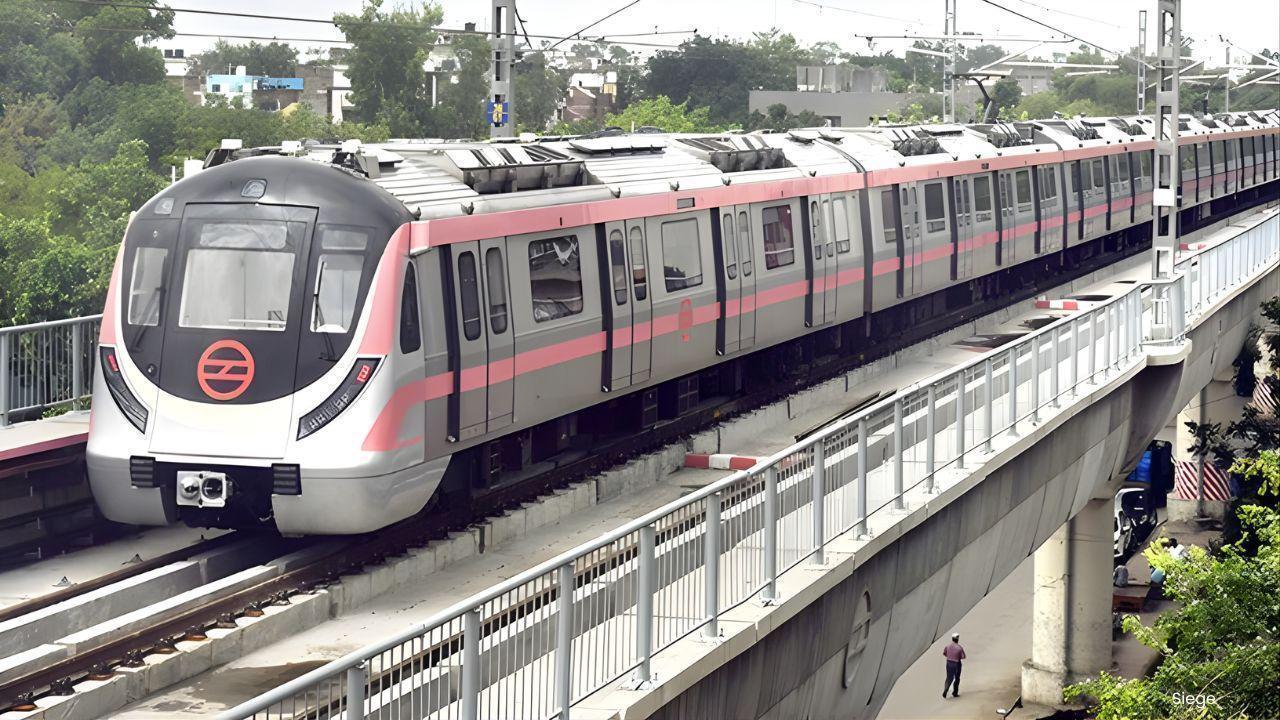
India’s urban transit network is preparing for another landmark moment as Prime Minister Narendra Modi is set to inaugurate two new corridors of the Delhi Metro. The launch forms a major milestone in the ongoing Delhi Metro Phase 4 expansion, a project designed to strengthen the capital’s rapidly growing metro network.
The new sections are expected to transform daily commuting for thousands of residents by improving metro connectivitybetween several densely populated neighbourhoods and key commercial areas. As Delhi continues to expand, the metro system remains one of the most critical solutions to address traffic congestion and urban mobility challenges.
One of the most significant developments in this expansion is the extension of the Pink Line between Majlis Park and Maujpur-Babarpur. Stretching over several kilometres, the corridor will introduce multiple new stations across North and Northeast Delhi.
This addition will effectively turn the Pink Line into Delhi’s first ring-style metro corridor. With a circular alignment, commuters will be able to travel across large parts of the city without needing multiple interchanges. For passengers who regularly travel across the capital, this improvement in metro connectivity could significantly reduce travel time and congestion across busy interchange stations. The new stretch is also expected to open access to metro services for several residential clusters that previously relied heavily on road transportation.
Alongside the Pink Line extension, another key corridor on the Magenta Line will also become operational. The new section linking Deepali Chowk with Majlis Park will expand the reach of the metro network toward outer parts of the city.
The corridor will connect residential neighbourhoods, commercial centres, and existing metro lines, allowing smoother transfers and easier movement across the network. For thousands of commuters living in the outer ring areas, the expansion will provide a faster and more reliable travel option. As part of Delhi Metro Phase 4, the project aims to ensure that more residents can access the metro within short distances from their homes.
The expansion highlights the growing importance of the Delhi Metro in shaping the capital’s future transportation landscape. With rising population and increasing urban density, large-scale public transit systems are becoming essential for sustainable mobility.
By extending new routes and strengthening metro connectivity, the network continues to evolve into one of the largest and most efficient metro systems in the world. These new corridors not only promise faster commutes but also reinforce the city’s long-term vision of reducing traffic congestion and improving air quality.
As the Delhi Metro Phase 4 expansion progresses, the capital moves closer to building a fully integrated transit system designed to support the needs of millions of commuters in the years ahead.
Delhi Metro, Delhi Metro Phase 4, metro connectivity








Advances in Aerospace Technology and Commercial Aviation Recovery
Insights into breakthrough aerospace technologies and commercial aviation’s recovery amid 2025 chall

Defense Modernization and Strategic Spending Trends
Explore key trends in global defense modernization and strategic military spending shaping 2025 secu

Tens of Thousands Protest in Serbia on Anniversary of Deadly Roof Collapse
Tens of thousands in Novi Sad mark a year since a deadly station roof collapse that killed 16, prote

Canada PM Carney Apologizes to Trump Over Controversial Reagan Anti-Tariff Ad
Canadian PM Mark Carney apologized to President Trump over an Ontario anti-tariff ad quoting Reagan,

The ad that stirred a hornets nest, and made Canadian PM Carney say sorry to Trump
Canadian PM Mark Carney apologizes to US President Trump after a tariff-related ad causes diplomatic

Bengaluru-Mumbai Superfast Train Approved After 30-Year Wait
Railways approves new superfast train connecting Bengaluru and Mumbai, ending a 30-year demand, easi



