Post by : Avinab Raana
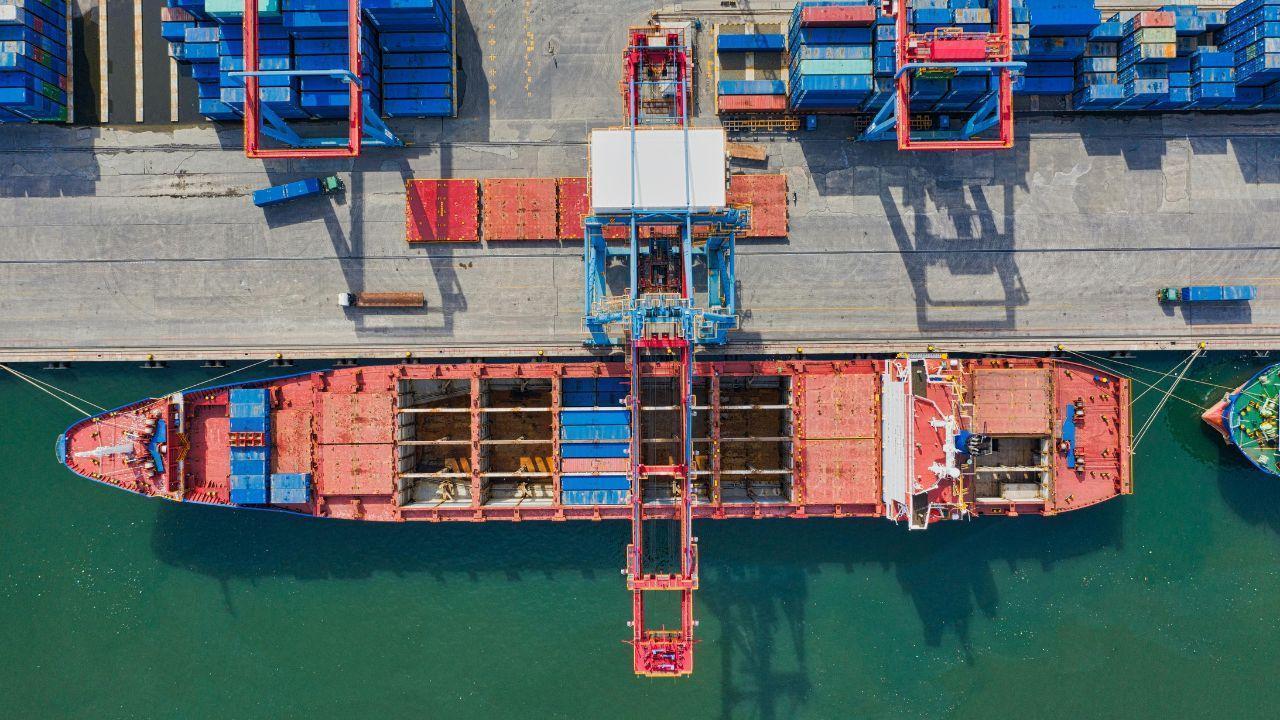
Cargo activity linked to energy imports has slowed at Mangalore Port cargo terminals as global supply disruptions begin to ripple through maritime trade routes. The movement of petroleum cargo, particularly crude oil and liquefied petroleum gas, has declined noticeably in recent weeks, reflecting broader instability in international energy markets.
Ports that serve as critical energy gateways are often the first to feel the effects of supply disruptions. In the case of Mangalore Port, which handles large volumes of petroleum imports for southern India, the slowdown in crude oil shipments is beginning to influence port traffic and logistics operations.
Port authorities have reported a clear drop in tanker arrivals carrying petroleum cargo. The fall has been most visible in LPG cargo movement and crude oil imports, both of which typically represent a major share of cargo handled at the port.
Energy cargo movements are highly dependent on global supply stability and shipping availability. When disruptions occur in the international oil trade, ports that rely on these shipments experience immediate declines in vessel arrivals and cargo throughput.
While other categories of cargo such as fertilizers, containers, and bulk commodities continue to move through the port, the decline in petroleum shipments has significantly affected overall port cargo volumes.
A large share of crude oil arriving at Mangalore Port is transported to nearby refineries that process petroleum products for distribution across southern India. These refineries depend heavily on steady crude oil shipments to maintain production schedules and supply fuel markets efficiently.
When tanker arrivals decline, refinery supply chains must adjust procurement schedules, inventory levels, and operational planning. Even short-term disruptions in energy logistics can create ripple effects across fuel distribution networks. For refinery operators and logistics planners, maintaining consistent cargo flows through maritime routes remains essential for ensuring energy supply stability.
The slowdown in energy cargo movement is closely tied to the ongoing global energy supply crisis, which has disrupted shipping schedules and international oil transport networks. Geopolitical tensions and uncertainties in key energy-producing regions have made maritime shipping more complex and unpredictable.
Energy shipments often travel through sensitive international sea routes, and any instability along these corridors can delay vessels, increase shipping costs, or reduce tanker availability. As a result, maritime transport of oil and gas cargo becomes more volatile. These disruptions can quickly translate into oil logistics disruption, affecting not only shipping companies but also ports, refineries, and fuel distribution systems.
Despite the decline in energy cargo volumes, port authorities continue working to maintain operational efficiency by optimizing cargo handling across other segments. Ports typically adapt to fluctuating trade conditions by focusing on diversified cargo streams.
Logistics teams are also coordinating closely with shipping companies and energy traders to ensure that future tanker movements remain aligned with port capacity and refinery demand. If global shipping routes stabilize and energy supply conditions improve, LPG cargo movement and crude oil imports could return to normal levels.
The current drop in Mangalore Port cargo volumes highlights how closely maritime trade is tied to global energy markets. Ports that depend heavily on petroleum shipments are particularly vulnerable to fluctuations in supply chains and international shipping conditions.
For India’s energy logistics network, maintaining reliable maritime routes remains a critical priority. Stable shipping corridors ensure that crude oil and LPG shipments continue reaching ports and refineries without interruption.
Until global energy markets stabilize, ports handling petroleum cargo may continue experiencing irregular shipment patterns and fluctuating cargo volumes across the maritime sector.
#trending #latest,Mangalore Port cargo, crude oil shipments, LPG cargo movement, global energy supply crisis, oil logistics disruption, maritime energy trade, port cargo decline









Advances in Aerospace Technology and Commercial Aviation Recovery
Insights into breakthrough aerospace technologies and commercial aviation’s recovery amid 2025 chall

Defense Modernization and Strategic Spending Trends
Explore key trends in global defense modernization and strategic military spending shaping 2025 secu

Tens of Thousands Protest in Serbia on Anniversary of Deadly Roof Collapse
Tens of thousands in Novi Sad mark a year since a deadly station roof collapse that killed 16, prote

Canada PM Carney Apologizes to Trump Over Controversial Reagan Anti-Tariff Ad
Canadian PM Mark Carney apologized to President Trump over an Ontario anti-tariff ad quoting Reagan,

The ad that stirred a hornets nest, and made Canadian PM Carney say sorry to Trump
Canadian PM Mark Carney apologizes to US President Trump after a tariff-related ad causes diplomatic

Bengaluru-Mumbai Superfast Train Approved After 30-Year Wait
Railways approves new superfast train connecting Bengaluru and Mumbai, ending a 30-year demand, easi



