Post by : Saif
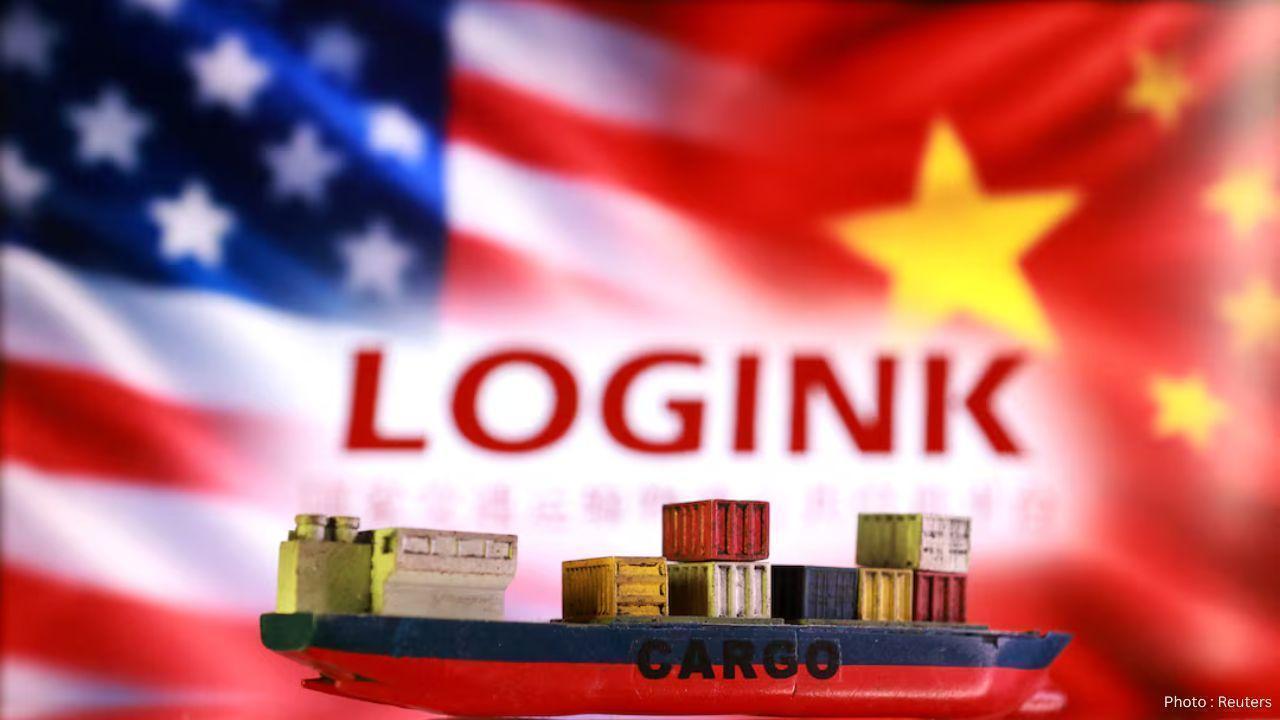
China’s LOGINK shipping data platform, once promoted as a major tool for expanding Beijing’s influence over global trade data, has sharply reduced its international activities after facing growing pressure from the United States.
LOGINK was designed to connect customs authorities, ports and transport companies through a digital logistics system. Its goal was to make international cargo movement easier by replacing paper-based processes with shared data.
Instead, the platform’s global expansion has stalled. International partnerships have weakened, its participation in a major maritime data-sharing group ended, and the company behind its operations hub in China has faced unpaid bills and court cases.
Washington had warned that LOGINK could give China access to valuable information about global shipping, including cargo volumes, goods and pricing.
US officials and security experts also raised concerns that such information could help Chinese companies compete against Western businesses. There were additional fears that commercial shipping data could potentially reveal movements involving sensitive military supplies.
The United States later prohibited LOGINK's use across its government and critical port infrastructure and encouraged allies and shipping companies to take similar precautions.
LOGINK, formally known as the National Transportation and Logistics Public Information Platform, began about two decades ago as a local project in China’s Zhejiang province.
The system brought together information from ports, trucks and other logistics providers into a searchable platform. Beijing later moved the project under China’s transport ministry and made international expansion a priority.
China established data-sharing arrangements with Japan and South Korea in 2010. LOGINK later reached an agreement with a Hong Kong-based logistics platform that it said could provide access to more than 90% of global ship-tracking data.
The platform also explored cooperation with European ports, but its international ambitions came under increasing scrutiny in the United States from 2022 onward.
Read more: South Korea Calls for Renewed Diplomacy as North Korea Tensions Persist
LOGINK’s participation in the International Port Community Systems Association ended in 2024 after it stopped paying membership fees.
Its website also went offline around the same period, while a major data-sharing project involving China, Japan and South Korea stopped holding regular meetings. Japan later lost access to LOGINK data without notice, according to a Japanese transport official.
Efforts to expand into Europe also produced limited results. A proposed data-sharing agreement with Portugal’s Sines port did not lead to significant outcomes, while discussions involving Portbase, the digital system supporting the Port of Rotterdam, did not move beyond an exploratory stage.
The platform has also encountered problems inside China.
The commercial company operating its Wenzhou hub has faced at least 39 court claims since January 2024, with the disputes together involving about $1.3 million. The cases include labor-related claims and disputes over unpaid services and utilities.
China Mobile also filed a lawsuit against the company in 2025 over a service contract dispute. Another legal case involves a property lease dispute with the state-backed developer of the industrial park where LOGINK is based.
When the Wenzhou facility was visited in September, there was little sign of activity. The offices appeared empty, with lights off and equipment removed, while signs connected to LOGINK and China's transport information system remained at the site.
LOGINK’s decline represents a setback for China’s effort to expand its influence over the technology and information systems supporting international shipping.
Global maritime trade carries around 80% of world trade, making access to shipping data strategically important. While the full reasons behind LOGINK’s retreat remain unclear, its international partnerships have weakened at the same time that Washington increased pressure on organizations considering cooperation with the Chinese platform.
The collapse of LOGINK’s international expansion does not mean China has abandoned efforts to strengthen its domestic logistics data systems. China’s transport ministry issued a policy document in June calling for LOGINK to be connected to more domestic data sources.
For the United States and its allies, however, the platform’s retreat reduces concerns about a China-linked system gaining a wider role in global maritime data infrastructure.
#trending #latest #LOGINK #China #USChina #GlobalTrade #ShippingNews #MaritimeTrade #TradeData #Logistics #GlobalShipping #ChinaTrade #USChinaRelations #SupplyChain #ShippingIndustry #MaritimeSecurity










Advances in Aerospace Technology and Commercial Aviation Recovery
Insights into breakthrough aerospace technologies and commercial aviation’s recovery amid 2025 chall

Defense Modernization and Strategic Spending Trends
Explore key trends in global defense modernization and strategic military spending shaping 2025 secu

Tens of Thousands Protest in Serbia on Anniversary of Deadly Roof Collapse
Tens of thousands in Novi Sad mark a year since a deadly station roof collapse that killed 16, prote

Canada PM Carney Apologizes to Trump Over Controversial Reagan Anti-Tariff Ad
Canadian PM Mark Carney apologized to President Trump over an Ontario anti-tariff ad quoting Reagan,

The ad that stirred a hornets nest, and made Canadian PM Carney say sorry to Trump
Canadian PM Mark Carney apologizes to US President Trump after a tariff-related ad causes diplomatic

Bengaluru-Mumbai Superfast Train Approved After 30-Year Wait
Railways approves new superfast train connecting Bengaluru and Mumbai, ending a 30-year demand, easi



