Post by : Saif
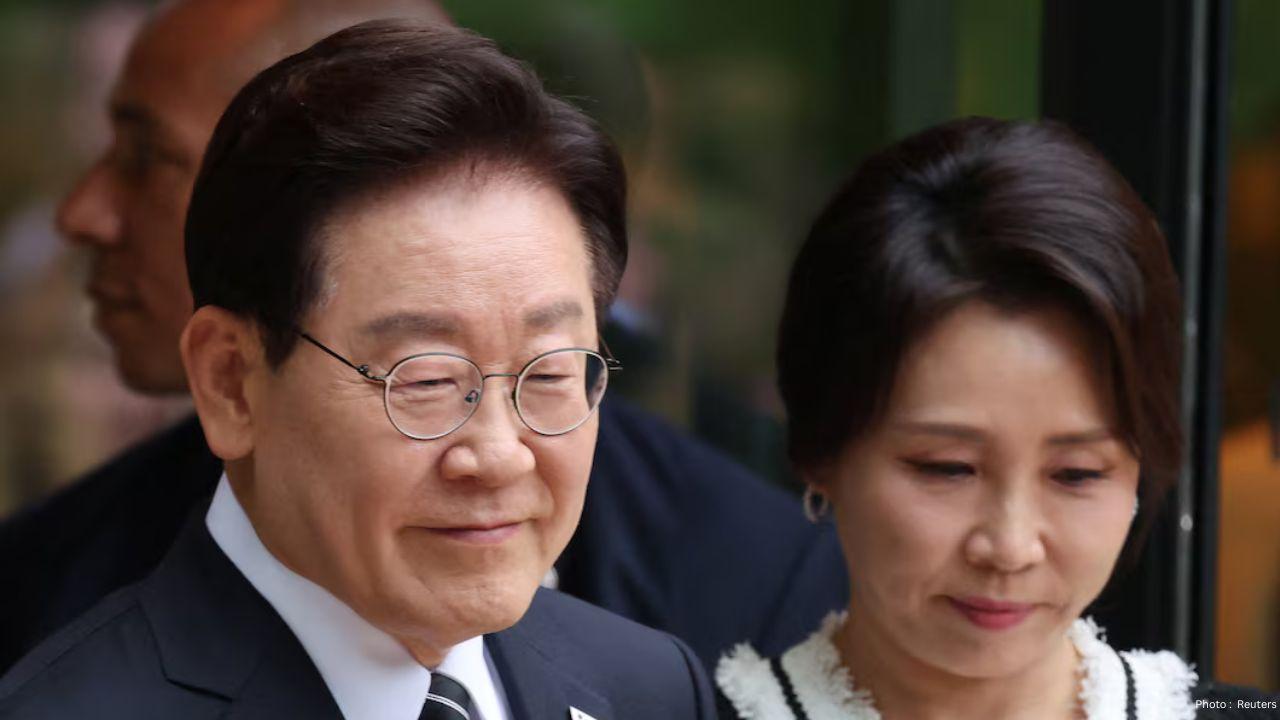
Efforts to maintain peace on the Korean Peninsula returned to the international spotlight after South Korean President Lee Jae Myung called on U.S. President Donald Trump to take a leading role in promoting diplomatic engagement with North Korea. The appeal reflects growing concern over regional security and highlights Seoul's desire to revive dialogue with its northern neighbor after years of stalled negotiations.
The request comes at a time when tensions remain high in East Asia. Military activities, weapons development programs, and political disagreements have continued to create uncertainty in one of the world's most sensitive regions. Against this backdrop, South Korea is seeking renewed diplomatic efforts to reduce risks and encourage stability.
President Lee's message underscores the belief that dialogue remains the most effective path toward lasting peace. While security alliances and military preparedness remain important, diplomatic communication is often viewed as the key to preventing misunderstandings and reducing the chances of conflict.
Relations between the two Koreas have experienced periods of both cooperation and confrontation over the decades. Several attempts have been made to improve ties through talks, summits, and agreements. However, many of these efforts have faced setbacks due to disagreements over nuclear weapons, sanctions, and security concerns.
The issue of North Korea's weapons program remains one of the most challenging obstacles. The international community has long expressed concern about missile tests and nuclear development activities. These actions have led to sanctions and increased diplomatic pressure from several countries.
Despite these challenges, many leaders continue to argue that direct engagement offers the best opportunity for progress. South Korea's latest appeal reflects a hope that renewed discussions could help rebuild trust and create conditions for future agreements.
Donald Trump played a significant role in previous diplomatic efforts involving Pyongyang. During his earlier term as U.S. president, he held historic meetings with North Korean leader Kim Jong Un. Those summits attracted global attention because they marked an unusual level of direct communication between the two sides.
Although the talks did not produce a lasting agreement on denuclearization, they demonstrated that high-level diplomacy was possible even after years of hostility. Supporters of engagement often point to those meetings as evidence that dialogue can open doors that were previously closed.
President Lee appears to believe that Trump's experience and past interactions with North Korean leadership could help restart diplomatic momentum. His request signals a desire for closer cooperation between Seoul and Washington on issues affecting regional security.
The impact of improved relations would extend far beyond the Korean Peninsula. Stability in East Asia is important for global trade, investment, and economic growth. The region is home to some of the world's largest economies and plays a major role in international supply chains.
Any increase in tensions can affect financial markets, business confidence, and geopolitical stability. Conversely, progress toward peace could create a more predictable environment for economic cooperation and regional development.
For ordinary citizens living in South Korea, security remains a major concern. The possibility of military confrontation has long influenced public opinion and government policy. As a result, efforts to reduce tensions often receive significant attention from the public.
At the same time, achieving meaningful progress will not be easy. Deep political differences remain, and previous negotiations have shown how difficult it can be to reach agreements on complex security issues. Trust between the parties has been damaged by years of confrontation, making future discussions more challenging.
Nevertheless, many experts argue that diplomacy remains preferable to isolation or escalation. Continued communication can help prevent misunderstandings and create opportunities for gradual progress. Even when immediate breakthroughs are unlikely, maintaining channels of dialogue can contribute to long-term stability.
The broader international community is also watching developments closely. Countries across Asia and beyond have an interest in maintaining peace in the region because instability could have far-reaching consequences for security and economic activity.
Governments often support diplomatic initiatives because they reduce uncertainty and encourage cooperation. While military deterrence remains an important part of regional security strategies, diplomacy provides an additional tool for managing disputes peacefully.
South Korea's call for renewed engagement reflects a continuing commitment to dialogue despite ongoing challenges. By encouraging Donald Trump to play a leadership role in future diplomatic efforts, President Lee has highlighted the importance of communication in addressing one of the world's most complex security issues.
The future of relations on the Korean Peninsula remains uncertain, but the message from Seoul is clear. Lasting peace is more likely to be achieved through conversation than confrontation. As regional tensions continue to shape international politics, renewed diplomatic efforts may offer the best opportunity to build trust, reduce risks, and create a more stable future for Northeast Asia.
#trending #latest #SouthKorea #NorthKorea #KoreanPeninsula #DonaldTrump #LeeJaeMyung #Diplomacy #PeaceTalks #AsiaPacific #EastAsia #Geopolitics #InternationalRelations #GlobalSecurity #WorldPolitics #USSouthKorea







Advances in Aerospace Technology and Commercial Aviation Recovery
Insights into breakthrough aerospace technologies and commercial aviation’s recovery amid 2025 chall

Defense Modernization and Strategic Spending Trends
Explore key trends in global defense modernization and strategic military spending shaping 2025 secu

Tens of Thousands Protest in Serbia on Anniversary of Deadly Roof Collapse
Tens of thousands in Novi Sad mark a year since a deadly station roof collapse that killed 16, prote

Canada PM Carney Apologizes to Trump Over Controversial Reagan Anti-Tariff Ad
Canadian PM Mark Carney apologized to President Trump over an Ontario anti-tariff ad quoting Reagan,

The ad that stirred a hornets nest, and made Canadian PM Carney say sorry to Trump
Canadian PM Mark Carney apologizes to US President Trump after a tariff-related ad causes diplomatic

Bengaluru-Mumbai Superfast Train Approved After 30-Year Wait
Railways approves new superfast train connecting Bengaluru and Mumbai, ending a 30-year demand, easi



