Post by : Saif
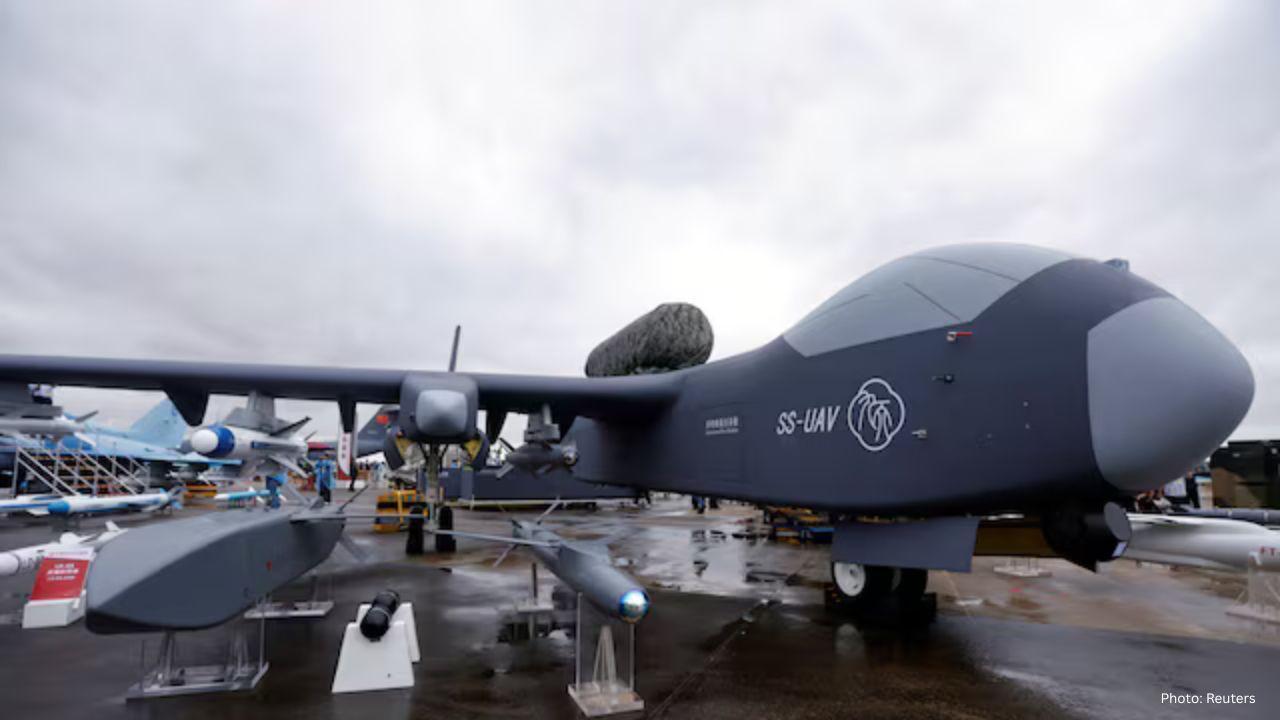
China has taken an important step to control the fast growth of drones by revising its Civil Aviation Law. For the first time, the country has added clear rules to regulate unmanned aircraft, also known as drones. The revised law was approved on December 27 by the Standing Committee of the National People’s Congress and will come into effect on July 1 next year. This change comes at a time when drones are becoming more common in daily life. They are used for photography, farming, delivery services, inspections, and even passenger transport testing. While this growth has created many business opportunities, it has also raised safety concerns. The new law aims to balance innovation with public safety.
Until now, China managed drones mainly through temporary or interim rules. These rules were helpful but did not fully cover the risks created by the rapid expansion of drone use. The revised aviation law fills this gap by clearly defining who can design, build, sell, operate, and maintain drones. One of the most important changes is the introduction of airworthiness certification for drones. Airworthiness certification means that a drone must meet safety and technical standards before it can be used. This is similar to the checks required for manned aircraft.
Under the new law, companies and individuals involved in drone design, production, import, repair, and operation must follow stricter safety rules. This will make the drone industry more professional and accountable. The revised law also supports China’s push to develop its low-altitude economy, which includes business activities that take place below 3,000 meters in the air. This sector covers drone deliveries, aerial tourism, emergency services, and air taxis. According to estimates from Chinese research institutions and aviation authorities, the low-altitude economy could grow to more than 2 trillion yuan by 2030. In 2025, it is expected to be worth about 1.5 trillion yuan. This shows how important drones and low-flying aircraft are becoming for China’s future economy. However, without proper rules, such rapid growth could lead to accidents, airspace chaos, and security risks. The revised law is meant to provide a stable and safe foundation for this expanding sector.
Under the updated law, drone manufacturers must give each drone a unique product identification code. This code will help authorities track drones and identify their owners. It will also make it easier to investigate accidents or illegal activities. The law builds on existing regulations that started in 2024. These earlier rules required civil drones to be registered under real names. They also divided drones into categories based on size and weight. Micro, light, and small drones do not need airworthiness certification, while medium and large drones must apply for certification from the Civil Aviation Administration of China (CAAC). The revised law strengthens these rules and gives them full legal backing.
China’s drone market has grown very quickly, but safety management has struggled to keep up. In recent years, illegal drone flights have caused serious problems. Some airports reported flight delays because drones entered restricted airspace. These incidents disrupted travel and raised concerns about passenger safety. As a result, authorities had to impose fines and penalties on drone operators. The new law aims to prevent such problems by setting clear responsibilities and stricter entry rules for the drone industry.
The tighter rules will directly affect major drone companies such as DJI, the world’s largest consumer drone maker, and EHang, which develops passenger drones. These companies will now have to ensure full compliance with airworthiness and identification requirements. While this may increase costs in the short term, experts believe it will improve trust in Chinese drone products, both at home and abroad. Clear safety standards can help Chinese companies compete better in global markets.
One of the most visible uses of drones in China is logistics and delivery. In 2024 alone, drones delivered about 2.7 million packages, according to transport ministry data. These deliveries included food, daily items, and even emergency medical supplies. Large companies like JD.com and Meituan have been testing drone delivery systems for years. JD Logistics has tested drone networks in provinces such as Jiangsu, Shaanxi, and Sichuan. The company says drones can reduce delivery times for rural customers by up to 70 percent. The new law gives these companies clearer rules to expand their services safely and legally.
China’s revised aviation law shows that the government is serious about managing new technologies responsibly. By clearly regulating drones, China hopes to reduce risks while still encouraging innovation and economic growth. For ordinary people, the changes mean safer airspace, fewer disruptions at airports, and better control over who can fly drones and where. For businesses, the law offers clearer guidance and long-term stability. As drones become a normal part of daily life, strong and fair rules will be essential. China’s latest move suggests that the country wants its drone future to be both advanced and safe.
#trending #latest #ChinaAviation #DroneRegulation #LowAltitudeEconomy #AirSafety #CivilAviationLaw #DroneIndustry #TechPolicy #AviationNews





Advances in Aerospace Technology and Commercial Aviation Recovery
Insights into breakthrough aerospace technologies and commercial aviation’s recovery amid 2025 chall

Defense Modernization and Strategic Spending Trends
Explore key trends in global defense modernization and strategic military spending shaping 2025 secu

Tens of Thousands Protest in Serbia on Anniversary of Deadly Roof Collapse
Tens of thousands in Novi Sad mark a year since a deadly station roof collapse that killed 16, prote

Canada PM Carney Apologizes to Trump Over Controversial Reagan Anti-Tariff Ad
Canadian PM Mark Carney apologized to President Trump over an Ontario anti-tariff ad quoting Reagan,

The ad that stirred a hornets nest, and made Canadian PM Carney say sorry to Trump
Canadian PM Mark Carney apologizes to US President Trump after a tariff-related ad causes diplomatic

Bengaluru-Mumbai Superfast Train Approved After 30-Year Wait
Railways approves new superfast train connecting Bengaluru and Mumbai, ending a 30-year demand, easi



