Post by : Saif
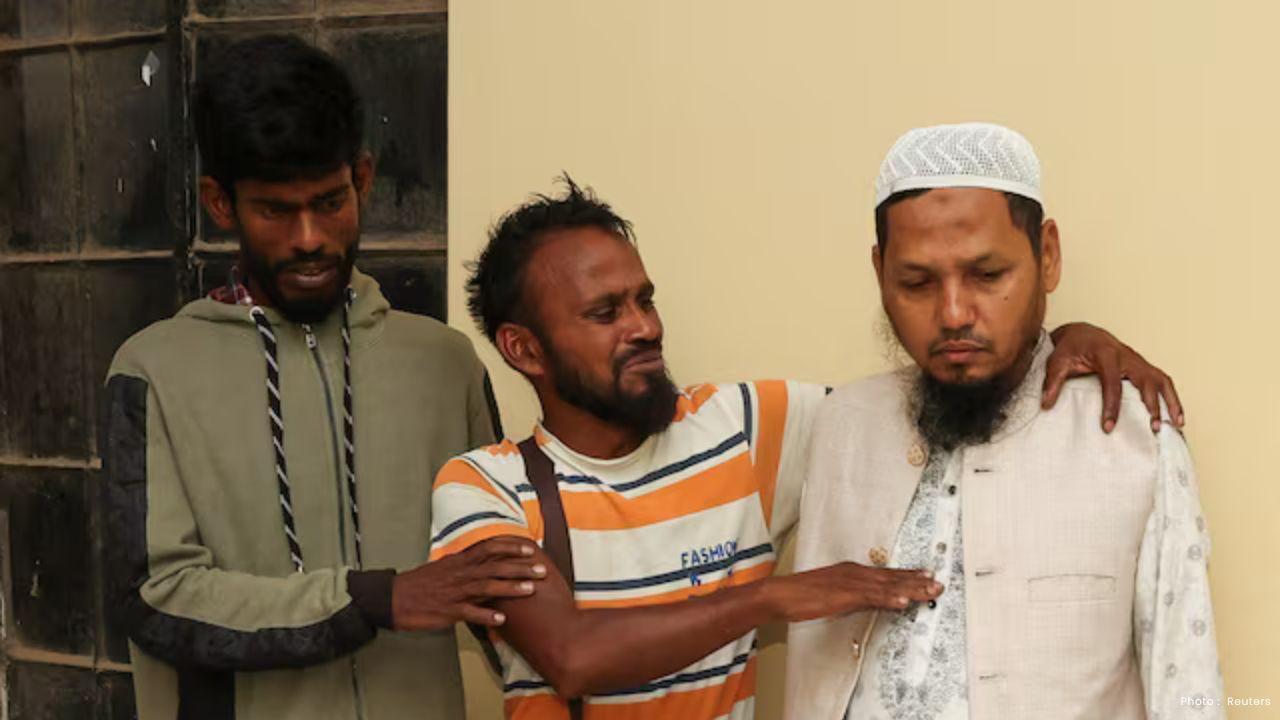
A tragic accident in Bangladesh has left the nation in shock after a passenger bus fell into a river while trying to board a ferry. The incident has claimed more than 20 lives, with fears that the death toll could rise as rescue operations continue.
The accident took place at the busy Daulatdia ferry terminal, one of the country’s key transport hubs. According to officials, the bus was carrying around 40 to 50 passengers and was attempting to board a ferry when it suddenly lost control and plunged into the Padma River.
Witnesses reported that the bus fell from a pontoon into the river around the evening hours. Some passengers managed to escape by swimming to safety, but many remained trapped inside the vehicle as it quickly sank underwater.
Rescue teams, including divers, police, and fire service workers, rushed to the scene. They worked through difficult conditions to recover bodies and search for survivors. By late night, rescuers were able to locate and lift the submerged bus from the river using heavy equipment.
Officials confirmed that at least 23 people have died, though some reports suggest the number could rise as more victims are recovered. The tragedy has left many families grieving, with several passengers still missing.
Early reports suggest that the accident may have been caused by a loss of control while boarding the ferry. In some accounts, a smaller vessel may have struck the pontoon, adding to the confusion and causing the bus to slip into the water.
This incident has once again raised serious concerns about transport safety in Bangladesh. Ferry crossings are a common part of daily travel in the country, especially in areas where rivers divide major routes. However, safety measures at these crossings have often been questioned.
Accidents involving buses and ferries are not new in Bangladesh. Over the years, several such incidents have taken place, often linked to overcrowding, poor infrastructure, or lack of proper safety checks. Experts say that better coordination, stricter rules, and improved facilities are needed to prevent such tragedies.
For many passengers, ferries are not just a choice but a necessity. They connect regions and support trade, travel, and daily life. But when safety is compromised, these essential routes can quickly turn dangerous.
The emotional impact of this accident is deep. Survivors have shared painful stories of watching loved ones disappear under the water. Families are waiting anxiously for news as rescue operations continue.
This tragedy is a reminder of the importance of strong safety systems in public transport. Simple measures such as better vehicle control, trained staff, and improved boarding systems could save many lives.
Authorities are expected to investigate the exact cause of the accident. There will likely be calls for accountability and reforms to ensure that such incidents do not happen again.
For now, the focus remains on rescue efforts and supporting the victims’ families. But as the nation mourns, it must also reflect on how to prevent such heartbreaking events in the future.
#trending #latest #Bangladesh #BusAccident #PadmaRiver #FerryTragedy #BreakingNews #RoadSafety #PublicTransport #Tragedy






Advances in Aerospace Technology and Commercial Aviation Recovery
Insights into breakthrough aerospace technologies and commercial aviation’s recovery amid 2025 chall

Defense Modernization and Strategic Spending Trends
Explore key trends in global defense modernization and strategic military spending shaping 2025 secu

Tens of Thousands Protest in Serbia on Anniversary of Deadly Roof Collapse
Tens of thousands in Novi Sad mark a year since a deadly station roof collapse that killed 16, prote

Canada PM Carney Apologizes to Trump Over Controversial Reagan Anti-Tariff Ad
Canadian PM Mark Carney apologized to President Trump over an Ontario anti-tariff ad quoting Reagan,

The ad that stirred a hornets nest, and made Canadian PM Carney say sorry to Trump
Canadian PM Mark Carney apologizes to US President Trump after a tariff-related ad causes diplomatic

Bengaluru-Mumbai Superfast Train Approved After 30-Year Wait
Railways approves new superfast train connecting Bengaluru and Mumbai, ending a 30-year demand, easi



