Post by : Saif
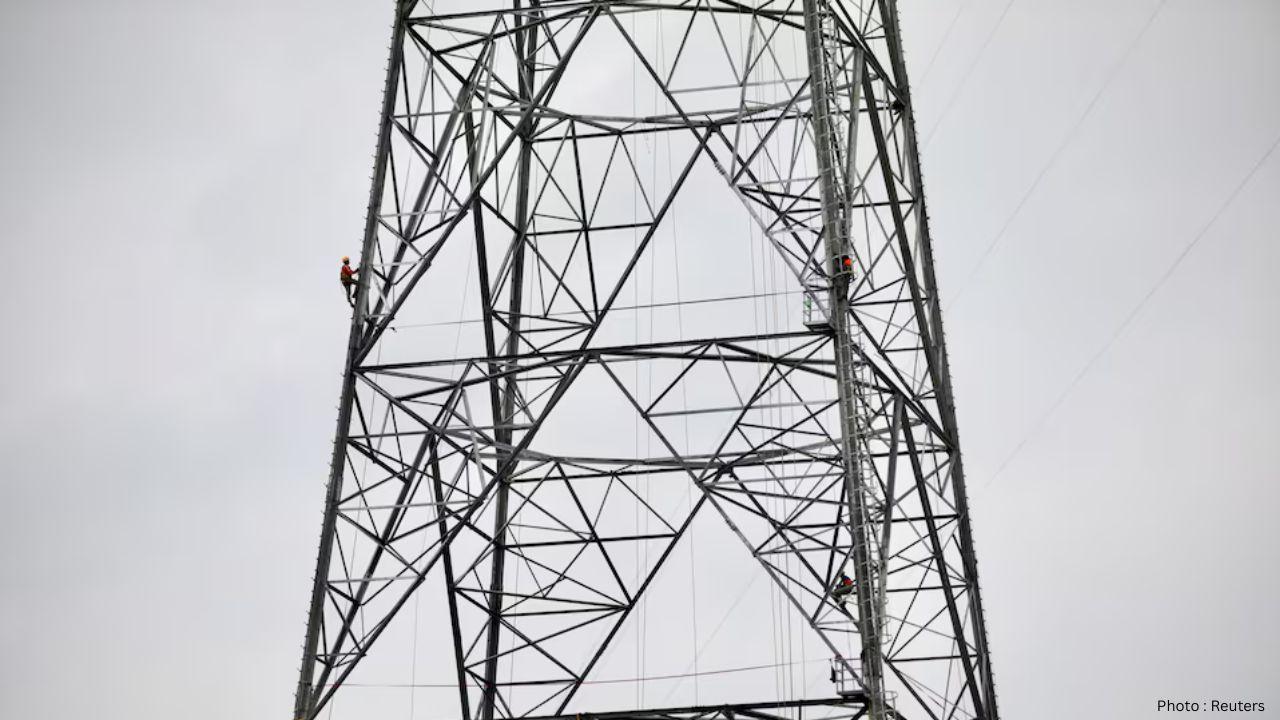
Bangladesh has introduced stricter electricity-saving measures as worsening natural gas shortages put pressure on power generation and increase the risk of electricity shortages across the country.
Under a government directive that took effect on Thursday, shops, markets and shopping malls must now close by 8 PM, one hour earlier than the previous closing time. Commercial establishments will be permitted to operate between 11 AM and 8 PM.
Hospitals, pharmacies and businesses dealing with food have been exempted from the new operating-hour restrictions.
Limited supplies of natural gas have emerged as a major challenge for Bangladesh’s electricity sector.
Several power plants rely on natural gas to generate electricity, but shortages have reduced the amount of fuel available for power generation. This has left the national grid facing a shortfall of several hundred megawatts during peak demand periods.
As a result, load-shedding has been reported in different parts of the country, putting additional pressure on households and businesses.
Bangladesh’s energy difficulties have been further complicated by disruption in international energy markets linked to the Iran crisis.
Global fuel and liquefied natural gas prices have become more volatile, increasing the cost of securing energy supplies.
Bangladesh has become increasingly dependent on imported LNG as domestic natural gas production declines. This dependence leaves the country more exposed to changes in international prices and disruptions to global energy supply chains.
A recent outage at an LNG terminal has added further pressure to Bangladesh’s gas supply system.
The disruption temporarily reduced gas flows available to the national power grid at a time when domestic demand for electricity and gas remained high.
The government is therefore facing the challenge of maintaining electricity supplies while managing limited gas availability and higher costs for imported energy.
Read more: China Prepares for Record Winter Surge in Electricity and Gas Demand
Bangladesh has been dealing with a widening gap between domestic gas demand and available supply.
Declining local production has increased the need for imported LNG, but securing additional supplies has become more difficult and expensive because of changing global market conditions.
Higher LNG prices can also increase the financial burden on the country’s energy sector and make it more difficult to maintain uninterrupted electricity generation.
The earlier closing time for commercial establishments is intended to reduce electricity consumption during periods of high demand.
By limiting operating hours for shops, markets and shopping centres, authorities hope to reduce pressure on the national grid and lower the need for additional load-shedding.
Essential services such as hospitals, pharmacies and food-related businesses have been excluded from the restrictions to ensure critical services continue operating.
Bangladesh’s latest measures highlight the vulnerability of its energy system to both domestic supply shortages and international market disruptions.
The country needs to balance rising electricity demand with declining domestic gas production and increasing reliance on imported LNG.
#trending #latest #Bangladesh #BangladeshNews #PowerCrisis #ElectricityShortage #GasShortage #LoadShedding #EnergyCrisis #LNG #NaturalGas #EnergySecurity #PowerGeneration #Dhaka #SouthAsia #IranCrisis









Advances in Aerospace Technology and Commercial Aviation Recovery
Insights into breakthrough aerospace technologies and commercial aviation’s recovery amid 2025 chall

Defense Modernization and Strategic Spending Trends
Explore key trends in global defense modernization and strategic military spending shaping 2025 secu

Tens of Thousands Protest in Serbia on Anniversary of Deadly Roof Collapse
Tens of thousands in Novi Sad mark a year since a deadly station roof collapse that killed 16, prote

Canada PM Carney Apologizes to Trump Over Controversial Reagan Anti-Tariff Ad
Canadian PM Mark Carney apologized to President Trump over an Ontario anti-tariff ad quoting Reagan,

The ad that stirred a hornets nest, and made Canadian PM Carney say sorry to Trump
Canadian PM Mark Carney apologizes to US President Trump after a tariff-related ad causes diplomatic

Bengaluru-Mumbai Superfast Train Approved After 30-Year Wait
Railways approves new superfast train connecting Bengaluru and Mumbai, ending a 30-year demand, easi



