Post by : Avinab Raana
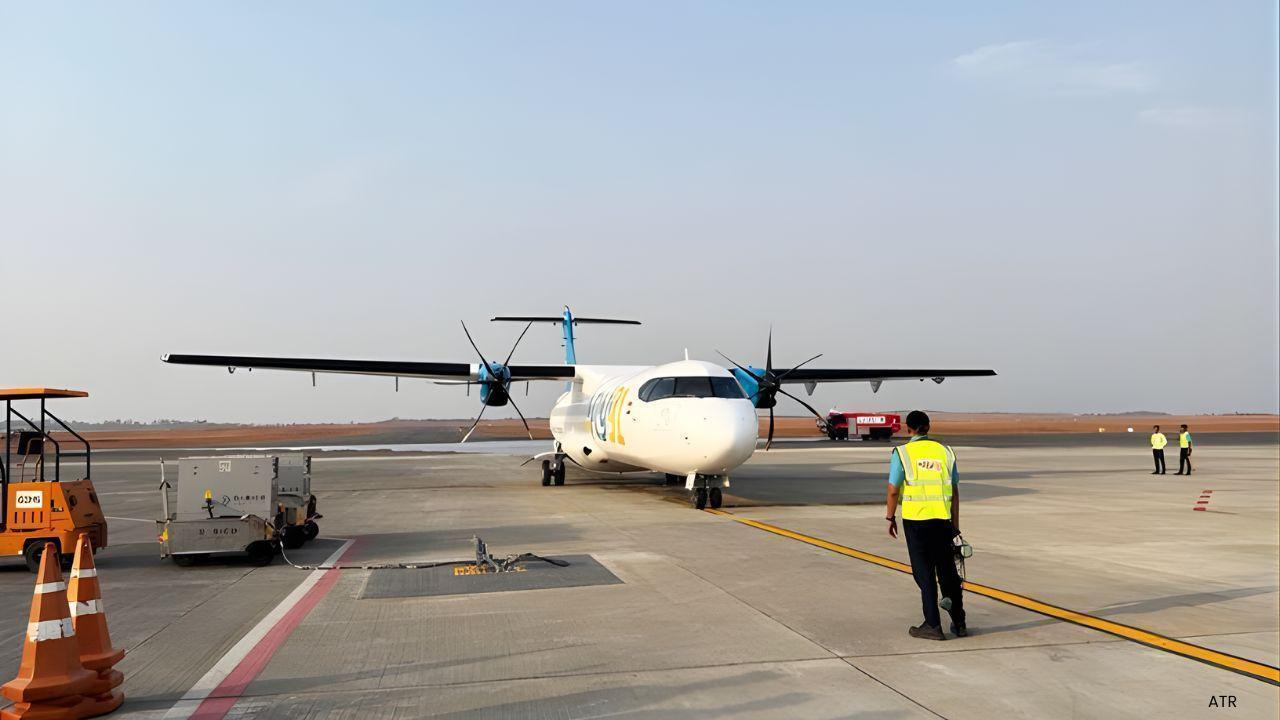
Photo : X / ATR
ATR is advancing efforts to enhance landing gear maintenance for its turboprop aircraft, responding to operator demand for more efficient and reliable support on key service components. The move aligns with broader aviation MRO improvements as carriers and maintenance providers seek to reduce aircraft downtime and control lifecycle costs, particularly for components as critical and usage-intensive as the main landing gear.
Main landing gear systems endure heavy stress across every flight cycle, making their upkeep a constant focus for operators. Traditional maintenance intervals and part-replacement schedules can create operational bottlenecks, particularly when gear components require extended shop stays or specialised support. In ATR’s case, operators have been vocal about the need for more predictive and streamlined processes that minimise disruption and maintain fleet availability, especially for regional carriers that rely on quick, resilient MRO solutions.
To tackle these challenges, ATR is revisiting service procedures, inspection criteria and overhaul strategies for its landing gear assemblies. The goal is to introduce refined maintenance planning tools and enhanced diagnostic techniques that better forecast wear patterns and mitigate unscheduled removals. By doing so, ATR intends to support operators with a maintenance regime that anticipates issues before they escalate into costly failures or groundings.
Enhanced landing gear maintenance translates into tangible benefits for airlines and MRO providers alike. Reduced turnaround times at overhaul facilities mean aircraft spend more time in revenue service. Improved component reliability also lessens the frequency of unexpected interventions, allowing operators to optimise rota planning and reduce spare inventory costs. For MRO shops, clearer prognostics contribute to more efficient labour allocation and workload forecasts.
ATR’s emphasis on better landing gear care reflects wider trends in the aviation MRO improvements landscape, where predictive maintenance, condition-based monitoring and data-driven servicing are becoming standard expectations. As aircraft systems become more interconnected and performance data richer, leveraging that information to fine-tune maintenance strategies is central to sustaining fleet readiness.
By prioritising improvements in main landing gear maintenance, ATR is addressing a longstanding operational pain point for regional carriers. The initiative promises enhanced reliability, fewer disruptions and stronger support for aircraft that form the backbone of many short-haul routes worldwide. As the industry continues to elevate its maintenance game, focused efforts like these will be key to achieving smarter, more cost-effective aviation MRO performance.
landing gear maintenance, ATR aircraft servicing, aviation MRO improvements










Advances in Aerospace Technology and Commercial Aviation Recovery
Insights into breakthrough aerospace technologies and commercial aviation’s recovery amid 2025 chall

Defense Modernization and Strategic Spending Trends
Explore key trends in global defense modernization and strategic military spending shaping 2025 secu

Tens of Thousands Protest in Serbia on Anniversary of Deadly Roof Collapse
Tens of thousands in Novi Sad mark a year since a deadly station roof collapse that killed 16, prote

Canada PM Carney Apologizes to Trump Over Controversial Reagan Anti-Tariff Ad
Canadian PM Mark Carney apologized to President Trump over an Ontario anti-tariff ad quoting Reagan,

The ad that stirred a hornets nest, and made Canadian PM Carney say sorry to Trump
Canadian PM Mark Carney apologizes to US President Trump after a tariff-related ad causes diplomatic

Bengaluru-Mumbai Superfast Train Approved After 30-Year Wait
Railways approves new superfast train connecting Bengaluru and Mumbai, ending a 30-year demand, easi



