Post by : Avinab Raana
Photo : X / Economic Times
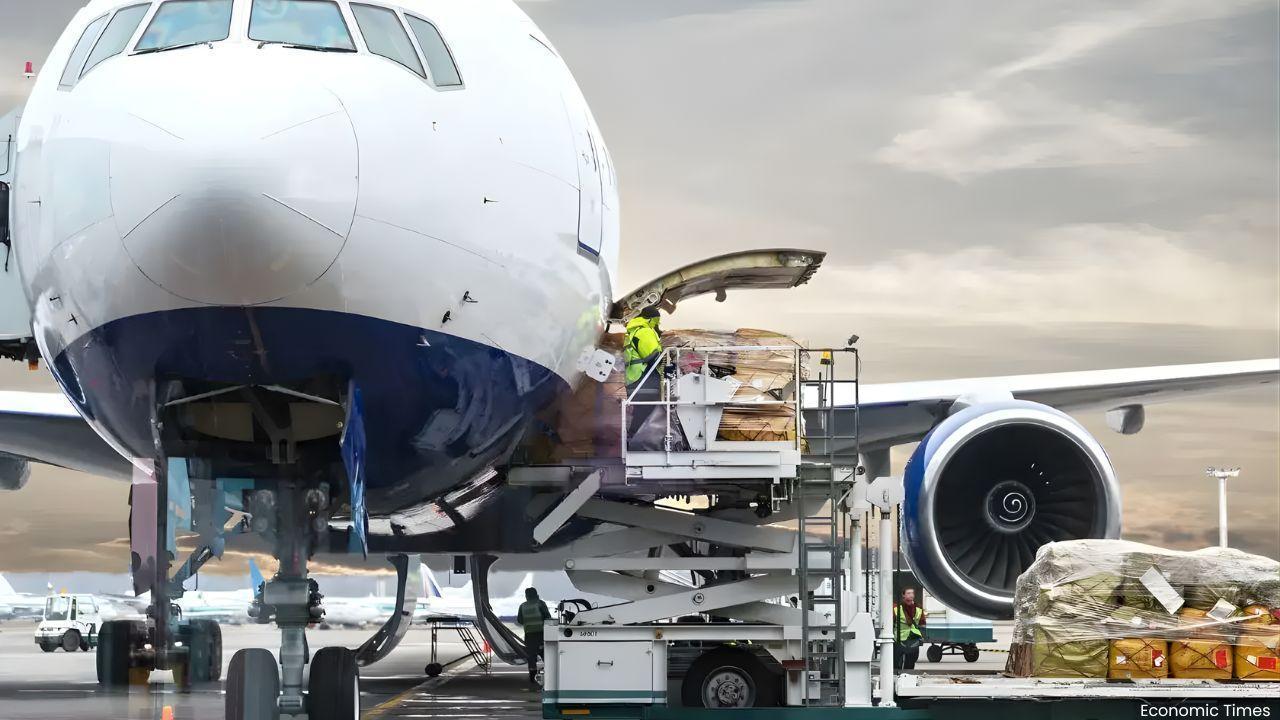
India’s aviation sector is heading into one of its most challenging summer seasons in recent years, as soaring aviation turbine fuel (ATF) prices begin to shake the foundations of airline operations. What was expected to be a peak travel period is now turning into a balancing act between rising demand and escalating costs. Airlines are facing mounting pressure to maintain profitability while ensuring operational stability, and passengers are likely to feel the immediate impact through higher ticket prices and limited availability.
ATF has always been one of the largest cost components for airlines, but the current surge is pushing the industry into a critical zone. Fuel alone accounts for nearly 30% of an airline’s operating expenses, making any price increase a direct hit to profitability.With global oil markets under pressure due to geopolitical tensions, airlines are struggling to absorb these rising costs. Even with fuel surcharges and fare adjustments, carriers admit that they are unable to fully recover the additional financial burden, leading to concerns over long-term sustainability.
In a surprising move, airlines are scaling back operations at a time when travel demand remains strong. Instead of expanding capacity for the busy summer period, carriers are opting for cautious growth strategies. Domestic flight capacity is expected to grow by only around 3% compared to last year, a clear indication of the industry’s defensive stance.Major airlines are revising their schedules, reducing flight frequencies, and prioritizing operational reliability over aggressive expansion. This shift highlights a deeper concern profit margins are being squeezed to a point where growth itself becomes a risk.
The current turbulence is not driven by fuel prices alone. Airlines are simultaneously dealing with a weakening rupee and a shortage of trained pilots, creating a perfect storm of operational challenges. A depreciating currency increases the cost of fuel, leasing, and maintenance, most of which are dollar-denominated—while pilot shortages limit the ability to scale operations quickly. This combination is forcing airlines to rethink expansion strategies, streamline operations, and focus on maintaining service reliability in an increasingly uncertain environment.
For passengers, the immediate consequence is clear—flying is becoming more expensive. Domestic fares have already begun to rise, while international and short-haul routes are witnessing even sharper increases due to fuel surcharges and operational adjustments.This price surge is expected to influence travel decisions, with many passengers delaying bookings, opting for alternative destinations, or reconsidering travel altogether. The ripple effect could extend to tourism, hospitality, and allied sectors that depend heavily on seasonal travel demand.
The broader global context is further complicating the situation. Ongoing tensions in West Asia have disrupted fuel supply chains and increased oil prices, directly impacting aviation fuel costs. At the same time, route diversions and airspace challenges are adding to operational expenses.These external factors are beyond the control of airlines, yet they significantly influence cost structures, making it difficult for carriers to plan long-term strategies with confidence.
India’s aviation industry has long been celebrated as one of the fastest-growing markets globally, but the current crisis is testing its resilience. The ability of airlines to navigate this phase will determine how sustainably the sector can grow in the coming years. With rising costs, constrained capacity, and shifting consumer behavior, the summer of 2026 may redefine how airlines approach pricing, expansion, and operational efficiency.
As the industry watches upcoming fuel price revisions closely, the next few months will be crucial. Any further spike in ATF prices could trigger deeper capacity cuts, higher fares, and potential financial strain across the sector. Airlines have already warned that sustained cost pressures could push some operators toward unsustainable conditions. For now, the skies remain crowded with uncertainty. While demand for travel continues to rise, the cost of keeping aircraft in the air is becoming increasingly difficult to sustain turning what should have been a peak season into a defining moment for India’s aviation industry.
#trending #latest, #ATFpricesIndia #AirfareIncrease #IndianAviation #JetFuelCost #SummerTravel2026






Advances in Aerospace Technology and Commercial Aviation Recovery
Insights into breakthrough aerospace technologies and commercial aviation’s recovery amid 2025 chall

Defense Modernization and Strategic Spending Trends
Explore key trends in global defense modernization and strategic military spending shaping 2025 secu

Tens of Thousands Protest in Serbia on Anniversary of Deadly Roof Collapse
Tens of thousands in Novi Sad mark a year since a deadly station roof collapse that killed 16, prote

Canada PM Carney Apologizes to Trump Over Controversial Reagan Anti-Tariff Ad
Canadian PM Mark Carney apologized to President Trump over an Ontario anti-tariff ad quoting Reagan,

The ad that stirred a hornets nest, and made Canadian PM Carney say sorry to Trump
Canadian PM Mark Carney apologizes to US President Trump after a tariff-related ad causes diplomatic

Bengaluru-Mumbai Superfast Train Approved After 30-Year Wait
Railways approves new superfast train connecting Bengaluru and Mumbai, ending a 30-year demand, easi



