Post by : Saif
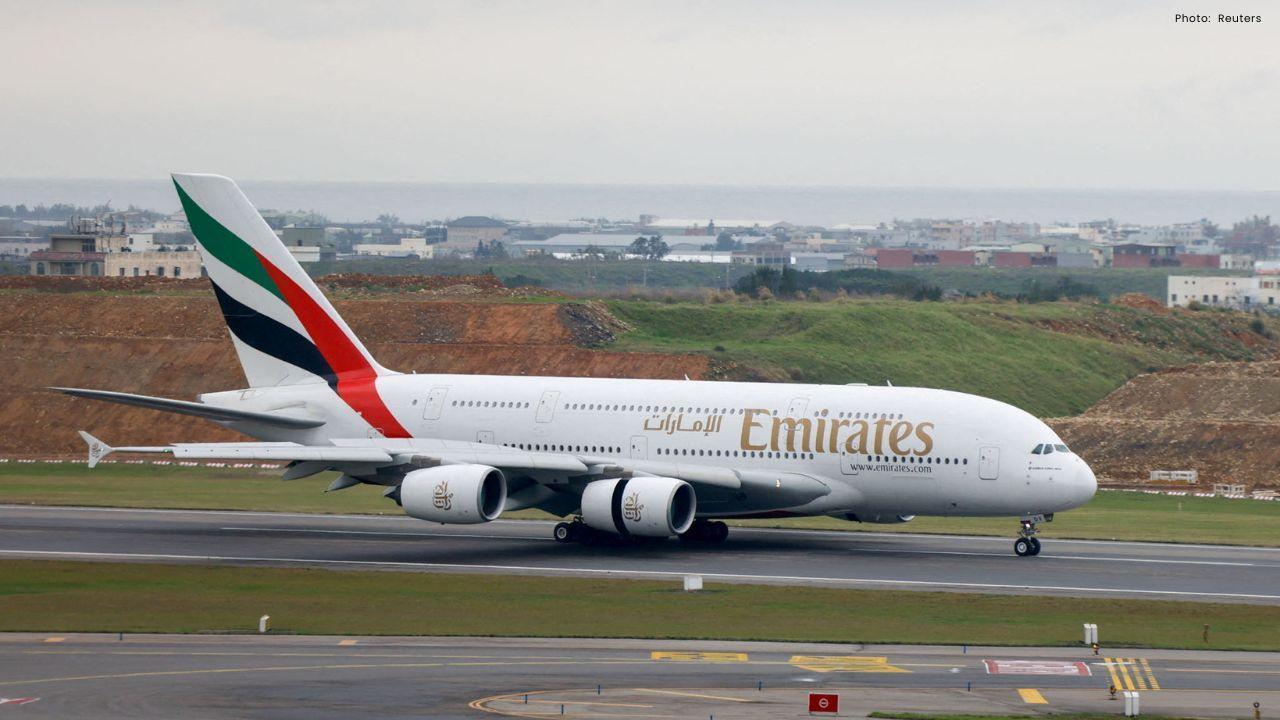
Major Gulf airlines have begun restarting a limited number of flights as travel slowly resumes across the Middle East, but the continuing threat of missile attacks and military conflict is creating deep uncertainty for the aviation industry.
Airlines including Emirates and Etihad Airways have started operating a reduced schedule from their hubs in the United Arab Emirates, allowing some passengers to travel again after days of disruption caused by the ongoing war involving Iran, the United States, and Israel.
Despite this partial recovery, aviation experts warn that the situation remains unstable and could change quickly if the security situation in the region worsens.
The conflict has forced the closure of airspace across several countries in the Middle East, leading to thousands of flight cancellations and leaving large numbers of passengers stranded.
The reopening of some flights is offering limited relief to travelers who have been waiting for days to return home.
Emirates and Etihad confirmed that they have resumed a restricted number of flights to major global destinations. These include cities such as London, Paris, Frankfurt, New York, Toronto, and Delhi.
However, the airlines emphasized that operations remain limited and will depend heavily on safety conditions and government approvals.
Etihad said it plans to run the reduced flight schedule until at least March 19 while closely monitoring the security situation in the region.
The resumption of flights comes as airlines struggle to manage travel disruptions caused by the war and ongoing missile threats.
The conflict began after U.S. and Israeli strikes on Iran triggered a series of retaliatory missile and drone attacks across the region. These developments forced several countries to shut down their airspace, creating major disruptions to global aviation routes.
Many international airlines quickly suspended flights to the Middle East, while aircraft already in the air were forced to change routes or divert to other airports.
Airspace closures in countries such as the United Arab Emirates, Qatar, Iraq, Bahrain, and Israel led to a sudden drop in air traffic across one of the world’s busiest aviation corridors.
Dubai International Airport, normally the busiest airport in the world for international passengers, has been operating at only a small fraction of its usual capacity.
According to flight tracking service Flightradar24, traffic at Dubai airport has increased compared to earlier in the week but still remains at around 25 percent of normal levels.
This shows that although flights are gradually returning, the aviation network in the region is far from fully restored.
Missile activity has also created serious safety risks for aircraft operating in nearby airspace.
In one incident, a government-chartered Air France flight sent to evacuate French citizens from the United Arab Emirates was forced to turn back because of missile fire in the region.
French Transport Minister Philippe Tabarot said the event highlighted the complex and dangerous conditions facing airlines trying to operate flights during the crisis.
Governments across the world have been arranging special flights and evacuation efforts to help their citizens leave the Middle East.
Tens of thousands of people have been trying to secure seats on the limited flights still operating from regional airports.
Airlines have also been working closely with authorities to run special repatriation flights designed to bring stranded passengers back to their home countries.
At the same time, the aviation industry is facing financial pressure from rising fuel prices and operational disruptions.
Global oil prices have surged due to fears that the conflict could threaten shipping routes and energy supplies from the Gulf region.
The Strait of Hormuz, a key global shipping route that handles a large portion of the world’s oil trade, has been heavily affected by the crisis and has seen major disruptions since the conflict began.
The aviation industry is particularly sensitive to fuel costs, and sudden increases in oil prices can quickly affect airline finances.
Analysts say prolonged instability in the Middle East could have lasting effects on global air travel.
The Gulf region normally acts as a major transit hub connecting Asia, Europe, Africa, and North America. Airlines such as Emirates, Etihad, and Qatar Airways play a central role in linking these regions.
When airports in the Gulf shut down or operate at reduced capacity, global flight networks can be disrupted.
Passengers traveling between continents often rely on connections through Gulf hubs like Dubai, Abu Dhabi, and Doha.
When these routes are closed, airlines must find alternative paths that are longer and more expensive.
This can lead to delays, increased ticket prices, and logistical challenges for airlines and travelers alike.
Airlines are also carefully monitoring security developments before expanding their operations further.
Safety remains the top priority for aviation regulators and airline operators.
Any new missile launches or escalation in military action could quickly force airlines to cancel flights again.
For now, the limited return of flights offers a small sign of progress after days of severe disruption.
But the uncertainty surrounding the conflict means the situation could change rapidly.
Travelers planning to fly through the Middle East in the coming weeks may still face delays, route changes, or sudden cancellations as the region continues to deal with the effects of war.
The aviation industry is hoping that tensions will ease soon so that normal air travel can safely resume.
Until then, Gulf airlines are moving cautiously, balancing the urgent need to transport passengers with the serious safety risks created by the ongoing conflict.
#trending #latest #MiddleEastWar #IranConflict #GulfAirlines #Emirates #Etihad #FlightDisruptions #AviationNews #AirTravel #GlobalAviation #BreakingNews #armustnews








Advances in Aerospace Technology and Commercial Aviation Recovery
Insights into breakthrough aerospace technologies and commercial aviation’s recovery amid 2025 chall

Defense Modernization and Strategic Spending Trends
Explore key trends in global defense modernization and strategic military spending shaping 2025 secu

Tens of Thousands Protest in Serbia on Anniversary of Deadly Roof Collapse
Tens of thousands in Novi Sad mark a year since a deadly station roof collapse that killed 16, prote

Canada PM Carney Apologizes to Trump Over Controversial Reagan Anti-Tariff Ad
Canadian PM Mark Carney apologized to President Trump over an Ontario anti-tariff ad quoting Reagan,

The ad that stirred a hornets nest, and made Canadian PM Carney say sorry to Trump
Canadian PM Mark Carney apologizes to US President Trump after a tariff-related ad causes diplomatic

Bengaluru-Mumbai Superfast Train Approved After 30-Year Wait
Railways approves new superfast train connecting Bengaluru and Mumbai, ending a 30-year demand, easi



