Post by : Saif
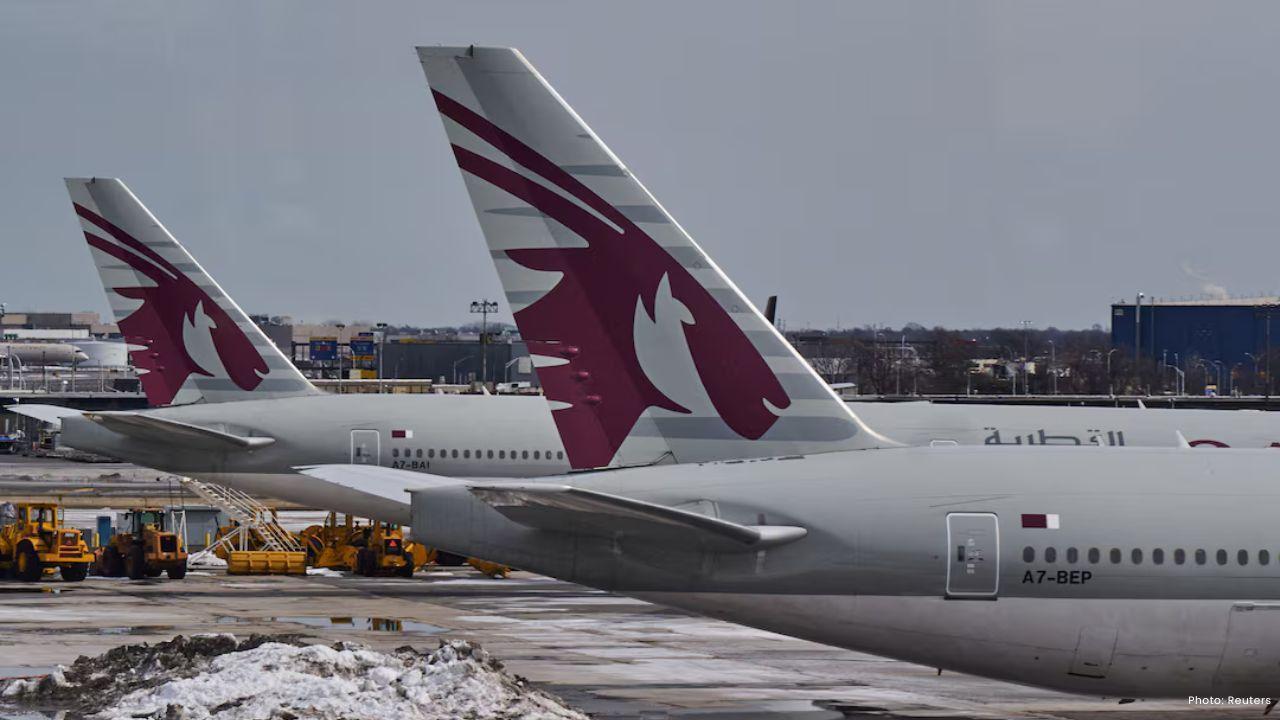
Airline ticket prices for flights between Asia and Europe have risen sharply after major airports in the Gulf region were closed due to rising conflict in the Middle East. The sudden halt of key flight routes has disrupted global travel and pushed many passengers to pay much higher fares to reach their destinations.
Air routes that once passed over the Gulf countries helped connect Asia and Europe with relatively short flight distances. But because of airport closures in places such as the United Arab Emirates and nearby nations, airlines have been forced to change their paths. Many flights now need to take longer routes around the conflict zone, increasing fuel use, flight time and operating costs. These extra costs are often passed on to passengers in the form of higher ticket prices.
Travel industry experts say that the price surge is unusual for this time of year. Ticket costs for Asia-Europe flights have increased between 20 percent and 40 percent on many routes. Some of the most affected journeys are between East Asia and Western Europe, where travelers are being asked to pay significantly more for the same seats they booked weeks earlier at lower prices.
One of the main reasons for the price increase is the lack of available flights. With some airlines suspending services through the Gulf region, seats on alternative routes are in high demand. When demand stays high but available flights drop, prices naturally rise. This basic lesson of supply and demand has put pressure on travelers trying to book long-distance flights.
For many travelers, the spike in airline prices has created frustration and worry. Students planning to return home, business travelers on tight schedules, and families on vacation have seen the cost of flying increase just when they need options most. Some passengers say they may delay travel plans or choose slower, indirect routes — such as multiple layovers or rail and ferry combinations — to avoid steep airfares.
Airline executives say that the situation is temporary. They explain that safety comes first, and flying near conflict zones is not a risk airlines are willing to take. While longer flight paths raise costs, airlines must avoid dangerous airspace to protect passengers and crew. Some carriers are also negotiating with aviation authorities to find new safe corridors, but these efforts are still in progress.
The disruption has broader effects beyond tickets and routes. Global air transport relies heavily on stability and open skies. The Gulf region is a central hub for many long-distance flights because it lies roughly halfway between East Asia and Europe. When that hub closes down, airlines must reorganize entire schedules, and passengers must adjust to new travel plans.
The price rise is also affecting cargo and trade. Air freight — goods shipped by plane — is essential for time-sensitive items like electronics and medicines. Higher airfares can increase shipping costs, which may lead to higher prices for imported goods and supplies in many countries.
Travel experts believe that prices may stay high until the situation stabilizes. If airports in the Gulf reopen and normal routes are restored, ticket prices are likely to fall again. But uncertainty remains. Airlines warn that if tensions in the Middle East continue or expand, further travel disruptions could occur.
Government travel advisories have urged passengers to check flight status and stay in contact with airlines before heading to the airport. Many foreign ministries have also advised their citizens to consider postponing non-urgent travel until the situation becomes clearer.
For now, passengers and airlines alike are adapting to a rapidly changing travel environment. The rise in ticket prices is a clear sign of how global events can impact daily life, from holidays to business trips. While the hope is for calm skies and lower fares in the future, the current disruption serves as a reminder of how interconnected the world’s travel systems are — and how quickly they can be affected by regional conflict.
#trending #latest #AirlinePrices #TravelDisruption #AsiaEuropeFlights #GulfAirportClosures #AirfareHike #GlobalTravel #AviationNews #armustnews





Advances in Aerospace Technology and Commercial Aviation Recovery
Insights into breakthrough aerospace technologies and commercial aviation’s recovery amid 2025 chall

Defense Modernization and Strategic Spending Trends
Explore key trends in global defense modernization and strategic military spending shaping 2025 secu

Tens of Thousands Protest in Serbia on Anniversary of Deadly Roof Collapse
Tens of thousands in Novi Sad mark a year since a deadly station roof collapse that killed 16, prote

Canada PM Carney Apologizes to Trump Over Controversial Reagan Anti-Tariff Ad
Canadian PM Mark Carney apologized to President Trump over an Ontario anti-tariff ad quoting Reagan,

The ad that stirred a hornets nest, and made Canadian PM Carney say sorry to Trump
Canadian PM Mark Carney apologizes to US President Trump after a tariff-related ad causes diplomatic

Bengaluru-Mumbai Superfast Train Approved After 30-Year Wait
Railways approves new superfast train connecting Bengaluru and Mumbai, ending a 30-year demand, easi



