Post by : Saif
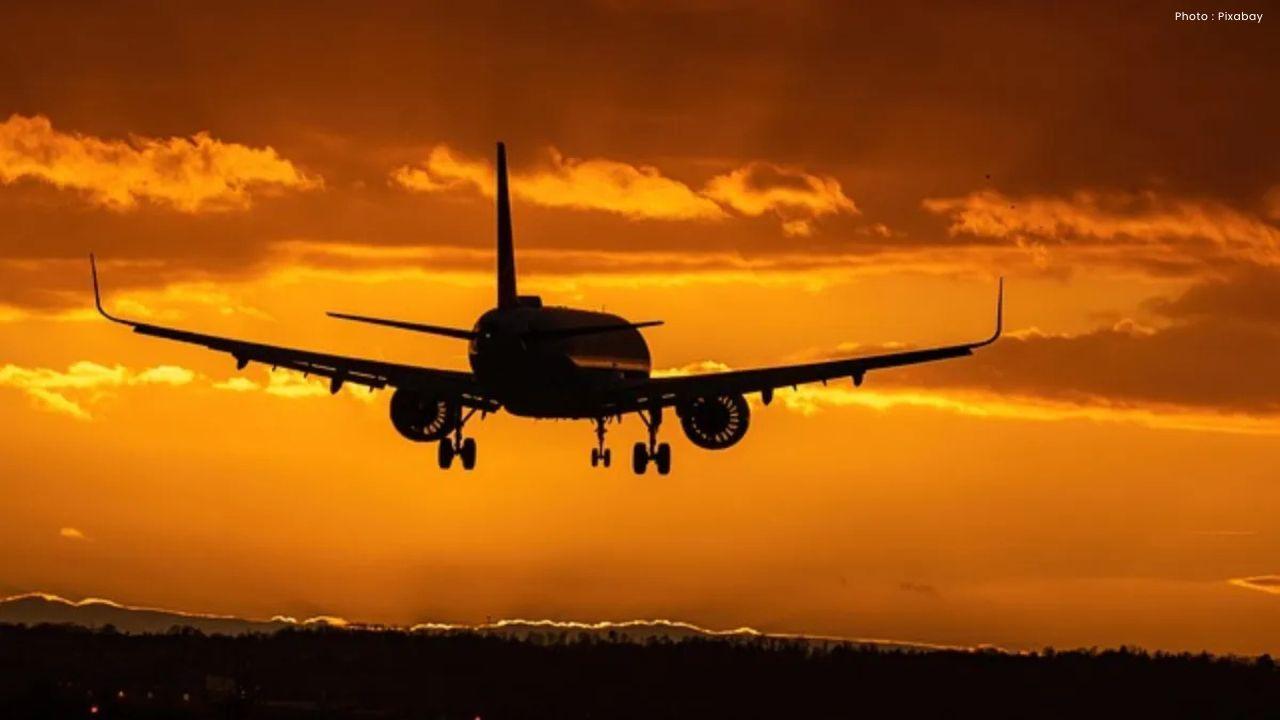
In a major decision that will affect millions of air travelers, the Indian government has removed the cap on domestic airfares from March 23. This move ends the temporary price limits that were placed on flight tickets just a few months ago. While the decision gives airlines more freedom, it may also lead to higher ticket prices for passengers.
The airfare caps were first introduced in December 2025 during a crisis in the aviation sector. At that time, large-scale flight cancellations by major airlines led to a sudden rise in ticket prices. To protect passengers from very high fares, the government stepped in and fixed a maximum limit on ticket prices based on distance.
For example, tickets for short flights of up to 500 kilometers were capped at around ₹7,500, while longer routes had higher limits, going up to ₹18,000 for long-distance travel.
Now, the government believes that the situation has improved. Flight operations have become more stable, and airlines are running closer to normal capacity. Because of this, officials have decided that price controls are no longer needed.
However, this decision comes at a time when airlines are facing rising costs. One of the biggest reasons is the increase in fuel prices due to global tensions, especially in West Asia. Fuel is one of the largest expenses for airlines, and even a small rise in price can have a big impact on their overall costs.
Airlines had been asking the government to remove the fare caps for some time. They argued that the price limits were causing financial stress and reducing their ability to recover rising costs. According to industry groups, continuing with the caps could have forced airlines to cut routes or delay expansion plans.
With the caps now removed, airlines are free to decide ticket prices based on demand and cost. This means that during busy travel seasons, prices could go up significantly. Experts believe that airfares are likely to increase in the coming weeks as airlines adjust to higher operating costs.
For passengers, this change brings both advantages and challenges. On one hand, airlines may offer more flexible pricing, including discounts during low-demand periods. On the other hand, last-minute bookings or travel during holidays could become more expensive.
The government has made it clear that it will continue to monitor ticket prices closely. Airlines have been asked to keep fares reasonable and transparent. Officials have also warned that if there are unfair or extreme price hikes, the government may step in again.
This shows that while pricing is now free, it is not completely without oversight. Authorities want to ensure that passengers are not taken advantage of, especially during emergencies or peak travel times.
From an editorial point of view, this decision reflects a balance between two needs — supporting airlines and protecting passengers. The aviation industry has been under pressure due to rising fuel costs, global conflicts, and operational challenges. Allowing airlines to set their own prices can help them recover financially and continue operations smoothly.
At the same time, the removal of fare caps puts more responsibility on airlines. They must act fairly and avoid charging very high prices without proper reason. Trust between airlines and passengers will be important in this new system.
The decision also highlights how connected the aviation sector is to global events. A conflict in another part of the world can increase fuel prices, which then affects ticket costs for travelers in India. This shows how quickly global issues can impact everyday life.
Looking ahead, passengers may need to plan their travel more carefully. Booking tickets early, avoiding peak seasons, and comparing prices across airlines could help reduce costs.
In conclusion, the removal of domestic airfare caps marks an important change in India’s aviation policy. It gives airlines the freedom they need to manage rising costs, but it also brings uncertainty for travelers who may face higher fares.
The coming months will show how this decision plays out. If airlines use their freedom responsibly, the system could work well for everyone. But if prices rise too sharply, pressure may grow for the government to step in again.
#trending #latest #Airfare #IndiaAviation #FlightTickets #TravelNews #Airlines #FuelPrices #IndiaEconomy #BreakingNews #armustnews




Advances in Aerospace Technology and Commercial Aviation Recovery
Insights into breakthrough aerospace technologies and commercial aviation’s recovery amid 2025 chall

Defense Modernization and Strategic Spending Trends
Explore key trends in global defense modernization and strategic military spending shaping 2025 secu

Tens of Thousands Protest in Serbia on Anniversary of Deadly Roof Collapse
Tens of thousands in Novi Sad mark a year since a deadly station roof collapse that killed 16, prote

Canada PM Carney Apologizes to Trump Over Controversial Reagan Anti-Tariff Ad
Canadian PM Mark Carney apologized to President Trump over an Ontario anti-tariff ad quoting Reagan,

The ad that stirred a hornets nest, and made Canadian PM Carney say sorry to Trump
Canadian PM Mark Carney apologizes to US President Trump after a tariff-related ad causes diplomatic

Bengaluru-Mumbai Superfast Train Approved After 30-Year Wait
Railways approves new superfast train connecting Bengaluru and Mumbai, ending a 30-year demand, easi



