Post by : Amit
Defensive Safety Systems in High Demand
The global aircraft arresting system market is witnessing an unprecedented surge in demand, projected to reach USD 1.84 billion by 2030, according to a recent market intelligence report. This robust growth trajectory, accelerating at a CAGR of 5.2% from 2024 to 2030, is driven by increasing defense budgets, military airbase expansions, and the critical need for emergency safety systems on both military and civilian runways.
Aircraft arresting systems, traditionally found on military airfields and select high-risk civilian airports, play an indispensable role in rapidly decelerating aircraft during aborted takeoffs or emergency landings. As geopolitical tensions persist and defense modernization becomes a strategic imperative, these systems are no longer optional—they are essential.
Understanding the Aircraft Arresting System: Function and Relevance
An aircraft arresting system is a mechanical apparatus installed on runways to safely bring fast-moving aircraft to a halt. It uses devices such as engineered materials arresting systems (EMAS), net barriers, or cables attached to energy-absorbing mechanisms to catch and decelerate aircraft during emergencies.
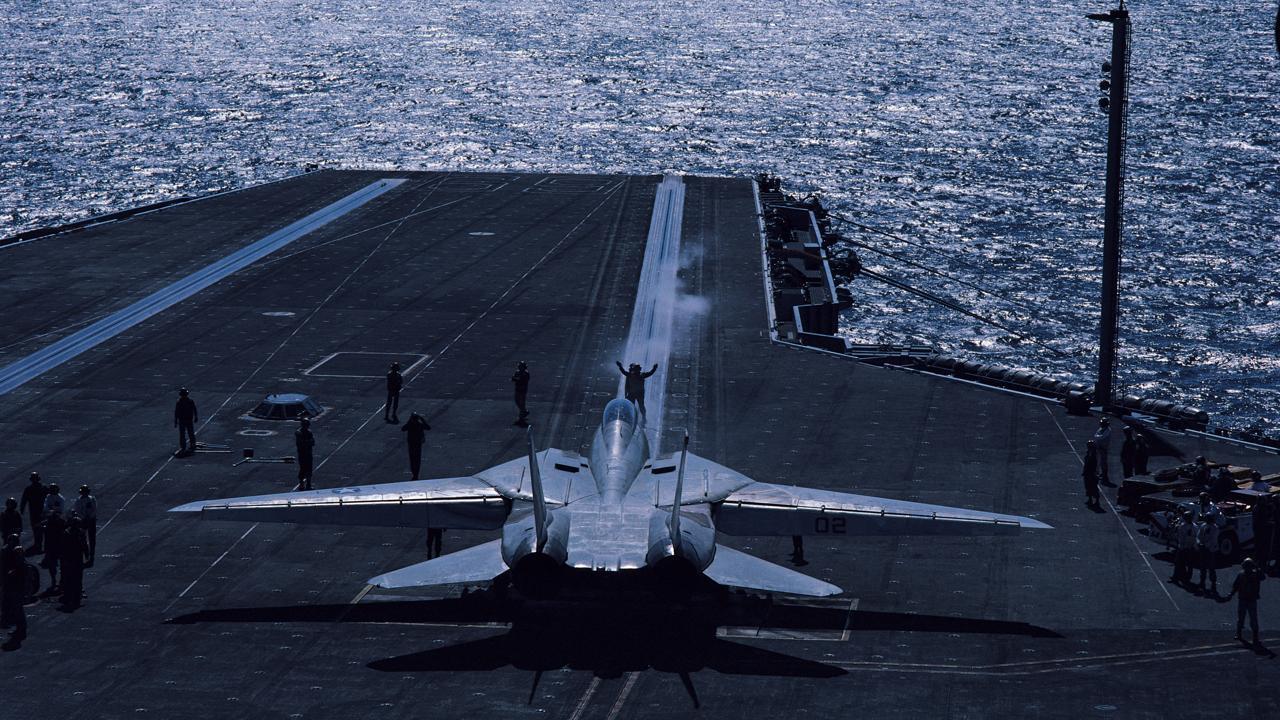
While originally developed for carrier-based fighter jets, these systems are now being widely deployed on land-based airfields to prevent overshoots, runway excursions, and fatal accidents—especially during high-speed landings or equipment malfunctions.
Military Dominance in Market Share
One of the most significant drivers behind the market’s expansion is the global militarization and modernization of airbases. Armed forces across the United States, China, India, Russia, and NATO member states are ramping up their investments in combat-readiness infrastructure, which includes advanced arresting systems to accommodate next-generation aircraft.
With increasing global orders for fifth and sixth-generation fighter jets, such as the F-35 Lightning II, Su-57, and future combat air systems, modern airbases need arresting systems that can handle the greater kinetic forces and higher landing speeds of these platforms.
Nations are not just building new airbases—they are upgrading existing ones to handle heavier, faster, and stealth-enabled airframes. Arresting systems are being adapted with high-tensile composite cables, hydraulic absorbers, and smart sensor units to meet these demands.
Commercial Aviation Also Taking Note
While military applications continue to dominate the market, commercial airports—especially those located in difficult terrains or prone to severe weather conditions—are increasingly adopting engineered material arresting systems (EMAS). These systems, which use crushable concrete beds to slow down aircraft, have already proven effective in preventing runway overruns in major incidents worldwide.
Airports in the United States, Japan, South Korea, and parts of Europe are leading adopters. The Federal Aviation Administration (FAA) in the U.S. mandates EMAS installations for certain categories of airports that lack the required safety area due to physical constraints.
Given the rising volume of air traffic and the increasing size of commercial aircraft, the cost of runway accidents—in human lives, aircraft loss, and reputational damage—is prompting airport authorities to revisit their emergency infrastructure priorities.
Smart Arresting Systems and Materials Innovation
The aircraft arresting system market is no longer just about cables and nets. It’s now a battlefield for technological advancement. Leading defense contractors and aviation safety companies are integrating:
Several companies are also working on autonomous deployment and reset mechanisms that allow arresting systems to self-recalibrate after activation, minimizing downtime between landings in high-tempo operations.
Regional Market Trends
The North American market, led by the United States, currently dominates the global share, owing to massive defense spending, a large fleet of fighter aircraft, and rigorous safety compliance at both military and civilian airports. The U.S. Air Force and Navy, in particular, have multiple arresting system upgrades underway under various Pentagon-funded programs.
Asia-Pacific is the fastest-growing region, driven by India and China’s rapid airbase expansion, South Korea’s and Japan’s increased military readiness, and Australia’s focus on Indo-Pacific defense interoperability. India’s HAL Tejas and AMCA programs, combined with strategic infrastructure development in forward areas, are also pushing demand.
Europe, with defense collaborations under the European Defence Agency (EDA), is seeing coordinated investments in runway safety and NATO-standard arresting systems, particularly in Eastern Europe amid tensions near the Russia-Ukraine frontier.
Competitive Landscape
The global aircraft arresting system market is moderately consolidated, with a few dominant players and several niche suppliers focused on specific technologies or regions. Prominent companies include:
These firms are increasingly forming strategic partnerships with defense ministries, airport authorities, and airframe manufacturers to ensure compatibility, compliance, and system integration.
Market Challenges and Constraints
Despite the promising growth, the market faces several hurdles. One of the primary challenges is the high initial investment cost of installing arresting systems—particularly EMAS at civilian airports. Land constraints at many urban airports also limit the feasibility of such installations.
In military scenarios, mobility and maintenance remain concerns. Forward airbases in conflict-prone areas may not support permanent installation, necessitating ruggedized, quickly deployable variants that can be installed and removed with minimal manpower.
Moreover, interoperability and certification between legacy and modern aircraft, especially those operating under joint command structures (like NATO), create additional engineering and regulatory challenges.
Securing Skies, One System at a Time
As the aviation world continues to evolve in complexity—balancing the demands of stealth, speed, and safety—aircraft arresting systems have emerged as an unseen but indispensable infrastructure pillar. Their growth reflects more than just technological adoption; it mirrors the global urgency to minimize accidents, enhance military preparedness, and improve the resilience of aviation systems.
Given the intensifying need for flight safety assurance, tactical readiness, and compliance with evolving regulatory norms, the aircraft arresting system market is not just on the rise—it’s flying toward an essential future.
By 2030, with a valuation nearing USD 1.84 billion, these systems will be found not only on sprawling airbases and aircraft carriers but increasingly at commercial runways, temporary landing strips, and emergency-use facilities. In a world where every landing must be safe, fast, and controlled, arresting systems are ready to take center stage.
Aircraft Arresting Systems, Runway Safety Solutions








Advances in Aerospace Technology and Commercial Aviation Recovery
Insights into breakthrough aerospace technologies and commercial aviation’s recovery amid 2025 chall

Defense Modernization and Strategic Spending Trends
Explore key trends in global defense modernization and strategic military spending shaping 2025 secu

Tens of Thousands Protest in Serbia on Anniversary of Deadly Roof Collapse
Tens of thousands in Novi Sad mark a year since a deadly station roof collapse that killed 16, prote

Canada PM Carney Apologizes to Trump Over Controversial Reagan Anti-Tariff Ad
Canadian PM Mark Carney apologized to President Trump over an Ontario anti-tariff ad quoting Reagan,

The ad that stirred a hornets nest, and made Canadian PM Carney say sorry to Trump
Canadian PM Mark Carney apologizes to US President Trump after a tariff-related ad causes diplomatic

Bengaluru-Mumbai Superfast Train Approved After 30-Year Wait
Railways approves new superfast train connecting Bengaluru and Mumbai, ending a 30-year demand, easi



