Post by : Saif
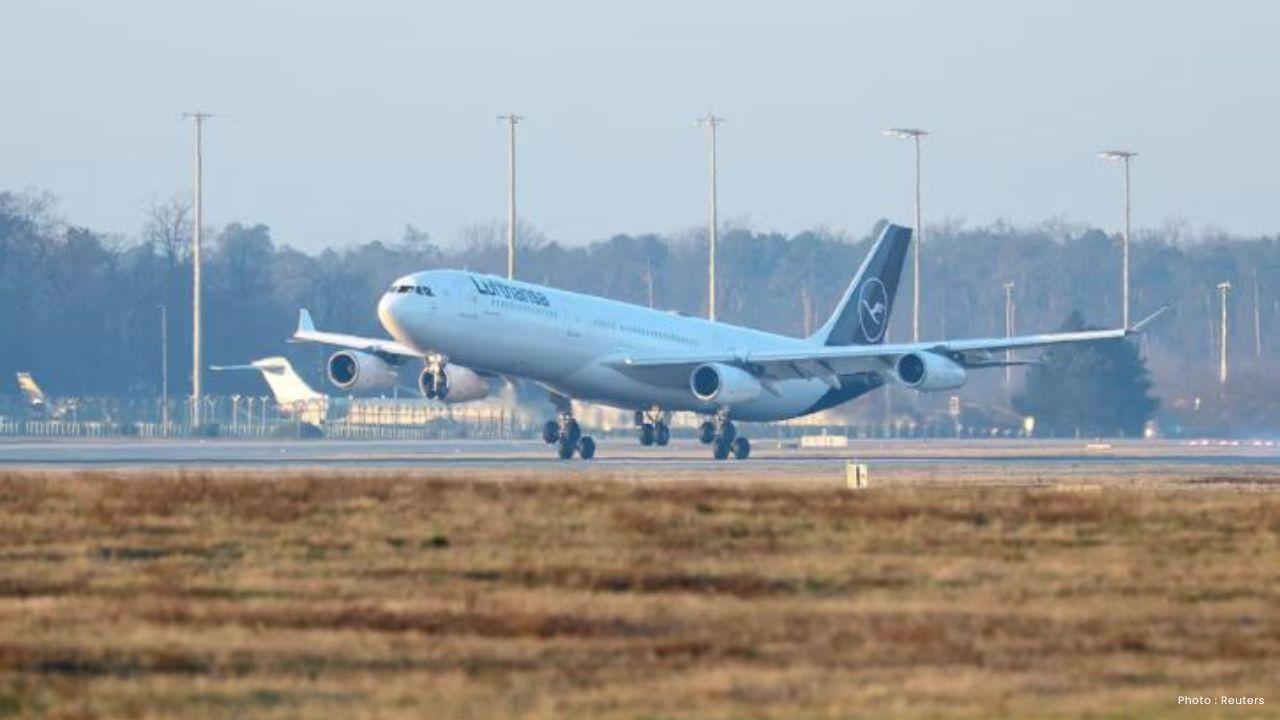
Global air travel is facing a new and serious challenge as ongoing conflicts across different regions are making the skies more dangerous. Europe’s top aviation safety body, the European Union Aviation Safety Agency, has warned that shrinking flight routes and rising military activity are increasing risks for airlines and passengers.
The problem is growing because several conflicts are happening at the same time. The war in the Middle East, the long-running Russia-Ukraine conflict, and tensions in parts of South Asia have forced airlines to avoid large areas of airspace. As a result, planes are being pushed into fewer available routes, creating crowded skies and new safety concerns.
When too many aircraft are forced to fly through limited corridors, the chances of errors increase. Pilots and air traffic controllers must manage more traffic than usual, often using routes that were not commonly used before. This can make coordination harder and increase the risk of accidents if not handled carefully.
Another major concern is the growing presence of drones and missiles in conflict zones. In recent months, aviation experts have reported that these threats are no longer limited to war areas. Even regions far from direct conflict have seen disruptions caused by drone activity near airports.
Drones are especially dangerous because they are small, difficult to detect, and can suddenly appear in the path of an aircraft. In some cases, airports have had to stop operations completely when drones were spotted nearby. This not only delays flights but also raises serious safety concerns.
There are also reports of GPS interference, where aircraft systems are affected by outside signals. This can confuse navigation systems and make it harder for pilots to know their exact position. Combined with crowded routes and rising threats, this creates a very complex environment for safe flying.
To deal with these risks, aviation authorities are taking several steps. One of the most important measures is restricting or closing certain airspaces when danger levels rise. While this can cause delays and inconvenience for passengers, experts say it is necessary to keep flights safe.
The European aviation agency is also working on new rules to manage drone threats. This includes setting clear limits on how anti-drone systems can be used near airports. The goal is to protect aircraft without creating additional risks.
At the same time, airlines are being forced to change their operations. Flights are taking longer routes, which increases fuel costs and ticket prices. Some routes have been cancelled completely, especially in areas where the risk is too high. This is already affecting travel between Europe, Asia, and the Middle East.
For pilots, the situation has become more stressful. They now have to stay alert not just for weather or technical issues, but also for possible threats like drones or missile activity. Many have said that modern flying is becoming more complex than ever before.
Despite all these challenges, aviation remains one of the safest forms of travel. Safety systems, training, and strict rules help reduce risks. However, experts warn that the current global situation is testing these systems like never before.
The bigger concern is what lies ahead. If conflicts continue or spread further, the pressure on global aviation will increase. More airspace may be closed, routes may become even more crowded, and costs could rise further.
This situation shows how closely connected the world is today. A conflict in one region can affect flights and passengers thousands of kilometers away. It also highlights the importance of global cooperation to keep air travel safe.
For now, aviation authorities are watching the situation closely and taking steps to reduce risks. But as the world faces growing uncertainty, ensuring safe skies will remain a major challenge in the months ahead.
#trending #latest #armustnews #AviationSafety #EASA #AirTravel #GlobalConflict #FlightSafety #BreakingNews #WorldNews #Airlines







Advances in Aerospace Technology and Commercial Aviation Recovery
Insights into breakthrough aerospace technologies and commercial aviation’s recovery amid 2025 chall

Defense Modernization and Strategic Spending Trends
Explore key trends in global defense modernization and strategic military spending shaping 2025 secu

Tens of Thousands Protest in Serbia on Anniversary of Deadly Roof Collapse
Tens of thousands in Novi Sad mark a year since a deadly station roof collapse that killed 16, prote

Canada PM Carney Apologizes to Trump Over Controversial Reagan Anti-Tariff Ad
Canadian PM Mark Carney apologized to President Trump over an Ontario anti-tariff ad quoting Reagan,

The ad that stirred a hornets nest, and made Canadian PM Carney say sorry to Trump
Canadian PM Mark Carney apologizes to US President Trump after a tariff-related ad causes diplomatic

Bengaluru-Mumbai Superfast Train Approved After 30-Year Wait
Railways approves new superfast train connecting Bengaluru and Mumbai, ending a 30-year demand, easi



