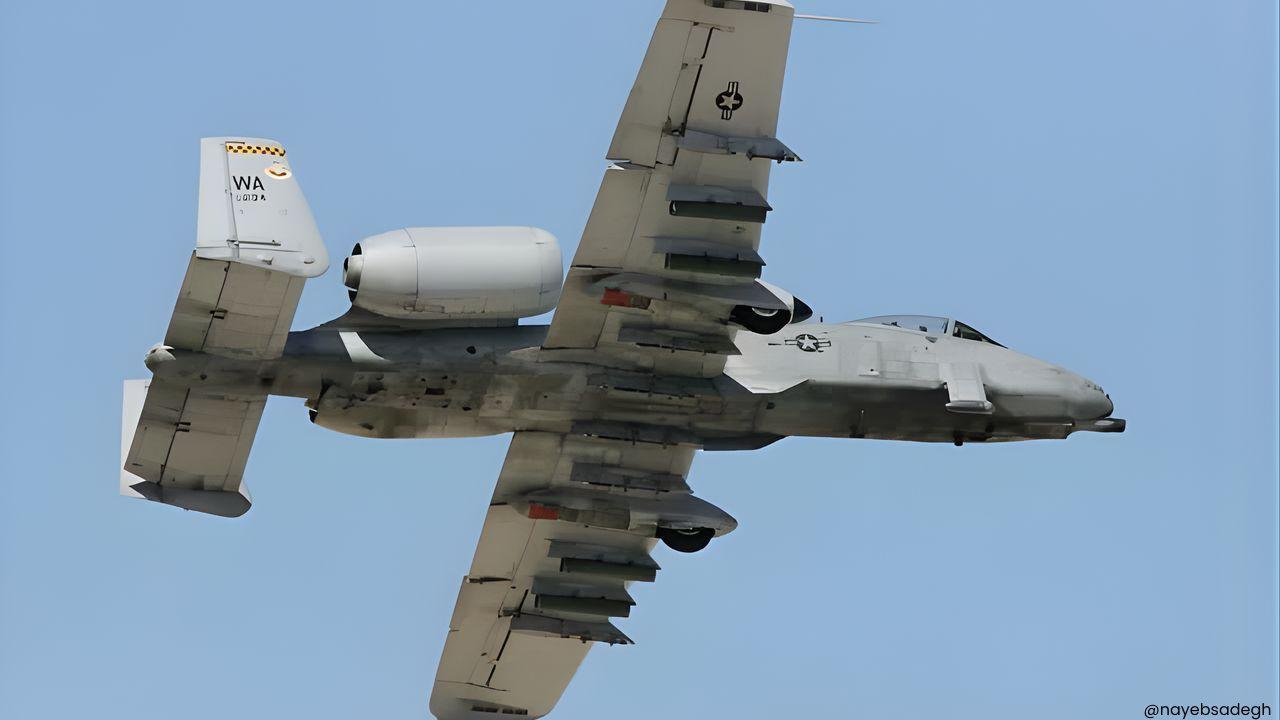
Post by : Avinab Raana
Photo : X / @nayebsadegh
In modern warfare and global aviation strategy, aerial refuelling tankers operate as the silent enablers of air dominance. Without these aircraft, fighter jets would be limited by fuel capacity, restricting their range, endurance, and mission effectiveness. Today, aerial refuelling is not just a support function—it is the backbone of global air force operations, enabling long-range strikes, rapid deployment, and sustained presence across continents. From combat zones to humanitarian missions, tanker aircraft have become indispensable in shaping how nations project power and maintain aerial superiority.
At its core, aerial refuelling involves transferring fuel from one aircraft to another mid-flight, requiring extreme precision, coordination, and advanced engineering. The two dominant systems, the flying boom and the probe-and-drogue define how different air forces operate. The flying boom system allows faster fuel transfer but supports one aircraft at a time, while the probe-and-drogue method offers flexibility and can refuel multiple aircraft simultaneously.
These systems have evolved over decades, reflecting operational needs and aircraft compatibility. The choice of system often determines interoperability between allied forces, making tanker design a strategic decision rather than just a technical one.
The global aerial refuelling fleet is a mix of legacy aircraft and next-generation platforms, each designed for specific operational roles. The Boeing KC-135 Stratotanker remains one of the most widely used aircraft, representing nearly half of the global tanker fleet and continuing service for over six decades.
Meanwhile, aircraft like the Airbus A330 MRTT have redefined capabilities with long-range performance, high fuel transfer rates, and multi-role flexibility. Newer entrants such as the Boeing KC-46 Pegasus are gradually replacing ageing fleets, bringing advanced avionics and improved operational efficiency.
Other platforms like the Ilyushin Il-78 and China’s Y-20 tanker demonstrate how different nations are building indigenous capabilities to support expanding air force ambitions. These aircraft are not just refuellers, they are strategic assets that enhance global reach and operational resilience.
Aerial refuelling tankers play a decisive role in enabling deep-strike missions, surveillance operations, and rapid troop deployment. By extending the range of fighter jets and bombers, they allow air forces to operate far beyond their borders without relying on foreign bases.
This capability is especially critical in modern conflict scenarios, where speed, flexibility, and endurance define mission success. Tankers also support allied operations, acting as force multipliers in joint missions and multinational exercises. Their ability to sustain aircraft in the air for extended durations makes them essential in both combat and peacetime operations.
The future of aerial refuelling is being shaped by automation and advanced digital technologies. Innovations such as autonomous refuelling systems are already being tested, aiming to reduce pilot workload and enhance safety. These systems use AI-driven navigation and sensor technologies to guide aircraft into precise positions during refuelling operations.
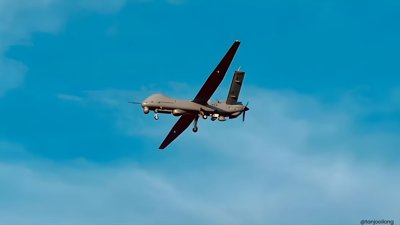
As unmanned aerial vehicles (UAVs) and next-generation combat aircraft become more prevalent, tanker aircraft are expected to evolve into smarter, more adaptable platforms capable of supporting both manned and unmanned missions. This shift signals a new era where aerial refuelling becomes faster, safer, and more efficient.
As global defence strategies continue to evolve, aerial refuelling tankers are emerging as one of the most critical assets in aviation. They are no longer just support aircraft they are force multipliers that define how air power is projected, sustained, and expanded.
In a world where reach and readiness determine dominance, these flying fuel stations are quietly reshaping the future of military aviation. The real question is not whether air forces need them but how advanced and adaptable these tankers can become in the next generation of aerial warfare.
#trending #latest,#AerialRefuelling #AirForceTankers #MilitaryAviation #DefenseTechnology #AviationInnovation


Advances in Aerospace Technology and Commercial Aviation Recovery
Insights into breakthrough aerospace technologies and commercial aviation’s recovery amid 2025 chall

Defense Modernization and Strategic Spending Trends
Explore key trends in global defense modernization and strategic military spending shaping 2025 secu

Tens of Thousands Protest in Serbia on Anniversary of Deadly Roof Collapse
Tens of thousands in Novi Sad mark a year since a deadly station roof collapse that killed 16, prote

Canada PM Carney Apologizes to Trump Over Controversial Reagan Anti-Tariff Ad
Canadian PM Mark Carney apologized to President Trump over an Ontario anti-tariff ad quoting Reagan,

The ad that stirred a hornets nest, and made Canadian PM Carney say sorry to Trump
Canadian PM Mark Carney apologizes to US President Trump after a tariff-related ad causes diplomatic

Bengaluru-Mumbai Superfast Train Approved After 30-Year Wait
Railways approves new superfast train connecting Bengaluru and Mumbai, ending a 30-year demand, easi



