Post by : Avinab Raana
Photo : X / Electrek.co
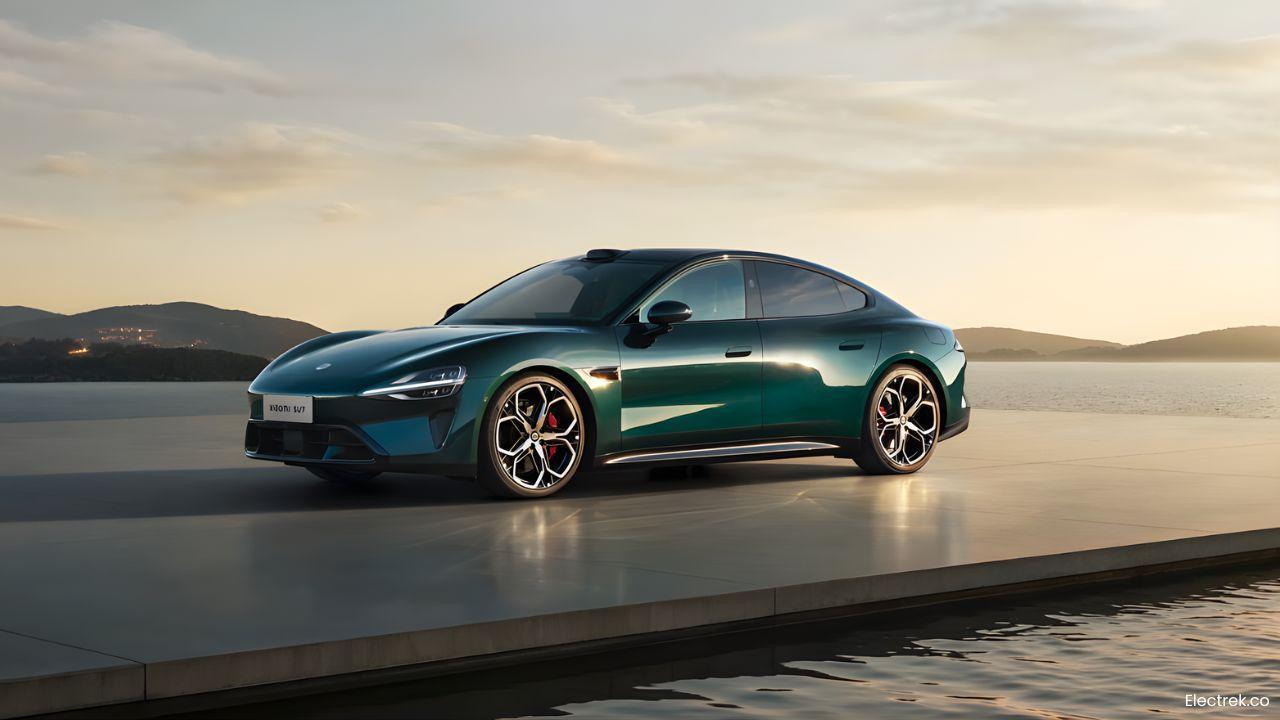
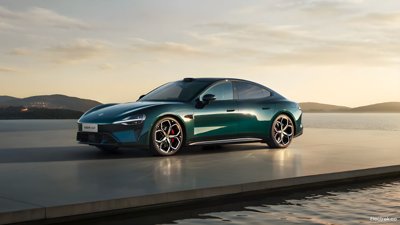
Xiaomi has stepped firmly into the global electric vehicle race with the launch of its next-generation SU7, a model that blends long-range performance with cutting-edge intelligent driving systems. With a claimed range of up to 902 km, the vehicle is not just another EV—it’s a statement of intent to challenge established players like Tesla. One of the most striking features of the Xiaomi SU7 is its extended driving range, addressing one of the biggest barriers to EV adoption. By optimizing battery efficiency and vehicle design, Xiaomi has pushed the range beyond conventional limits, offering drivers a more practical and reliable long-distance solution.
The SU7 is engineered to deliver both power and efficiency. Enhanced motor performance, combined with aerodynamic improvements, allows the vehicle to offer a smooth yet dynamic driving experience. This balance ensures that the car is not only efficient but also engaging to drive. What truly differentiates the SU7 is its software-driven approach. Equipped with LiDAR, advanced sensors, and a powerful onboard computing system, the vehicle supports intelligent driving capabilities that elevate it beyond traditional EVs. This focus on automation and real-time data processing positions the SU7 as a smart mobility solution rather than just a car.
Xiaomi’s pricing strategy is a key part of its disruption plan. By offering premium features at a comparatively lower cost, the company is targeting a wider segment of buyers who seek advanced technology without the premium price tag. This approach could intensify competition across the EV market. With its combination of long range, intelligent features, and competitive pricing, the SU7 is being positioned as a serious alternative to Tesla models. Xiaomi is not only matching industry standards but attempting to exceed them in critical areas, signaling a shift in competitive dynamics.
The SU7 reflects a broader transformation in the automotive industry, where software is becoming the defining element of vehicles. From driver assistance to ecosystem integration, the focus is shifting toward digital capabilities that enhance user experience and functionality. Xiaomi’s entry into the EV space with the SU7 marks more than just a product launch, it represents a shift in how technology companies approach mobility. As the lines between automotive and technology continue to blur, the SU7 could become a symbol of the next phase in smart transportation.
Xiaomi SU7 EV, 902 km range EV, Xiaomi electric car, Tesla rival EV, autonomous driving EV, LiDAR electric car, smart vehicle software, EV market competition




Advances in Aerospace Technology and Commercial Aviation Recovery
Insights into breakthrough aerospace technologies and commercial aviation’s recovery amid 2025 chall

Defense Modernization and Strategic Spending Trends
Explore key trends in global defense modernization and strategic military spending shaping 2025 secu

Tens of Thousands Protest in Serbia on Anniversary of Deadly Roof Collapse
Tens of thousands in Novi Sad mark a year since a deadly station roof collapse that killed 16, prote

Canada PM Carney Apologizes to Trump Over Controversial Reagan Anti-Tariff Ad
Canadian PM Mark Carney apologized to President Trump over an Ontario anti-tariff ad quoting Reagan,

The ad that stirred a hornets nest, and made Canadian PM Carney say sorry to Trump
Canadian PM Mark Carney apologizes to US President Trump after a tariff-related ad causes diplomatic

Bengaluru-Mumbai Superfast Train Approved After 30-Year Wait
Railways approves new superfast train connecting Bengaluru and Mumbai, ending a 30-year demand, easi



