Post by : Saif
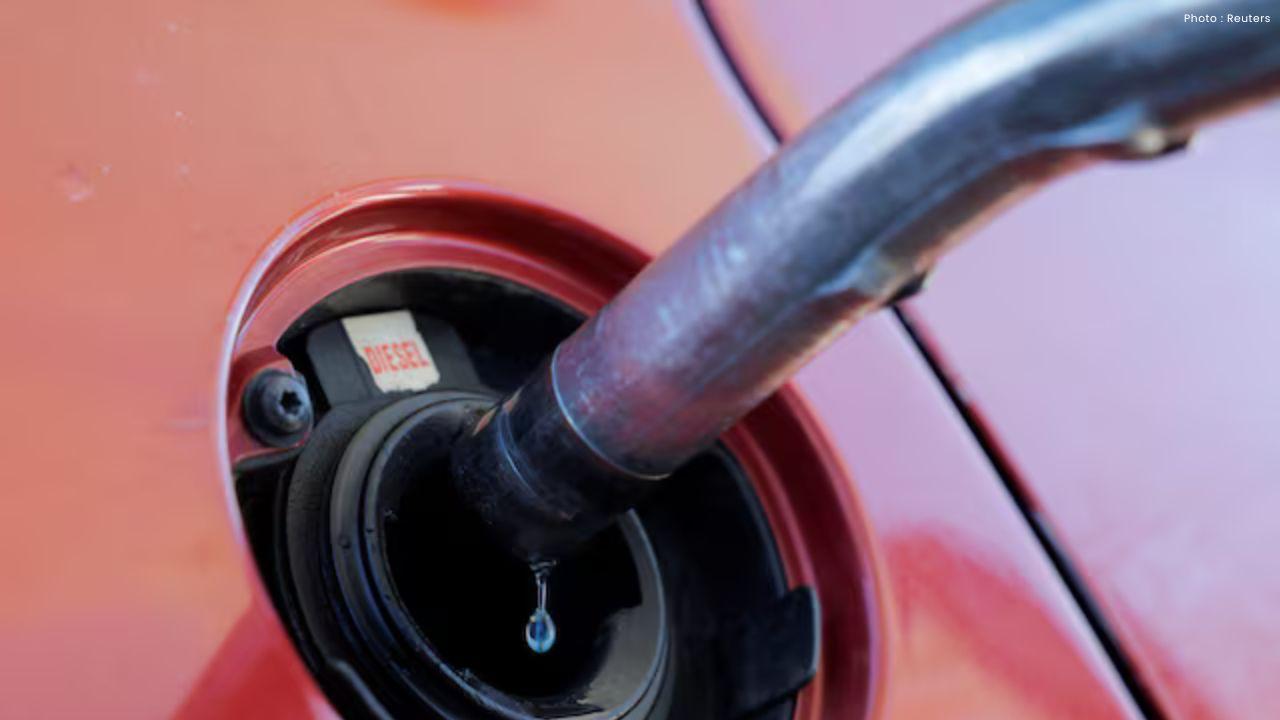
Spain is preparing to take strong economic steps to protect its people from rising fuel prices caused by the ongoing conflict in the Middle East. As the war involving Iran continues to disrupt global energy supplies, the Spanish government has decided to reduce taxes on fuel in order to give relief to households and businesses.
According to recent reports, Spain plans to cut the value-added tax (VAT) on fuel from 21% to 10%. This is a major reduction and is expected to directly lower the price of petrol and diesel across the country.
Along with this, the government is also considering removing certain additional taxes on hydrocarbons and reducing electricity-related taxes. These steps are aimed at easing the burden on consumers who are already facing higher costs due to rising global energy prices.
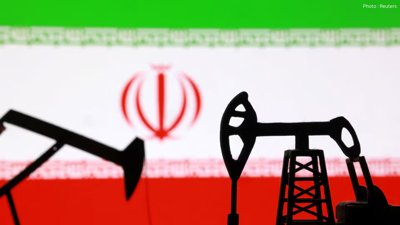
The reason behind these measures is clear. The ongoing conflict involving Iran has affected oil and gas supplies, especially through key routes like the Strait of Hormuz. As a result, global oil prices have increased sharply, and countries that depend on imported energy are feeling the pressure.
Spain, like many European countries, has seen fuel prices rise in recent weeks. Higher fuel costs affect not just transport, but also food prices, electricity bills, and daily living expenses. This creates a chain reaction that increases inflation and makes life more expensive for ordinary people.
By reducing VAT and other taxes, the Spanish government hopes to bring down fuel prices quickly. Reports suggest that these changes could reduce prices at the pump by around €0.30 to €0.40 per litre, which would provide immediate relief to drivers and businesses.
The government is also planning to support sectors that are most affected by rising fuel costs. These include agriculture, transport, fishing, and heavy industries that rely on energy for their operations.
However, not everyone agrees with these measures. Some economists have pointed out that tax cuts on fuel often benefit wealthier households more, especially those who use private cars frequently.
Others have raised concerns about the long-term impact on government finances. Reducing taxes means lower revenue for the government, which could affect spending on public services in the future.
At the same time, Spain is in a slightly better position compared to some other European countries. It has a strong renewable energy sector, including wind, solar, and hydropower. This helps reduce its dependence on fossil fuels and makes it less vulnerable to sudden price shocks.
Still, the current situation shows how global conflicts can affect economies far beyond the region where they occur. A war thousands of kilometers away can lead to higher fuel prices, increased inflation, and economic uncertainty in countries like Spain.
From an editorial point of view, Spain’s decision reflects a practical approach to a difficult situation. When prices rise quickly, governments often need to act fast to protect people from financial stress. Tax cuts are one of the quickest ways to provide relief.
However, such measures should be used carefully. They are usually temporary solutions and may not solve deeper problems related to energy dependence and global supply chains.
The crisis also highlights the need for long-term planning. Investing in renewable energy, improving energy efficiency, and reducing reliance on imported fuels can help countries become more stable in the future.
In conclusion, Spain’s move to reduce fuel taxes is a direct response to the global energy crisis triggered by the Iran war. While it offers short-term relief to consumers, it also raises important questions about economic strategy and energy security. The coming months will show how effective these measures are and whether other countries follow a similar path.
#trending #latest #Spain #FuelPrices #EnergyCrisis #IranWar #GlobalEconomy #Inflation #OilPrices #EuropeNews #BreakingNews #armustnews



Advances in Aerospace Technology and Commercial Aviation Recovery
Insights into breakthrough aerospace technologies and commercial aviation’s recovery amid 2025 chall

Defense Modernization and Strategic Spending Trends
Explore key trends in global defense modernization and strategic military spending shaping 2025 secu

Tens of Thousands Protest in Serbia on Anniversary of Deadly Roof Collapse
Tens of thousands in Novi Sad mark a year since a deadly station roof collapse that killed 16, prote

Canada PM Carney Apologizes to Trump Over Controversial Reagan Anti-Tariff Ad
Canadian PM Mark Carney apologized to President Trump over an Ontario anti-tariff ad quoting Reagan,

The ad that stirred a hornets nest, and made Canadian PM Carney say sorry to Trump
Canadian PM Mark Carney apologizes to US President Trump after a tariff-related ad causes diplomatic

Bengaluru-Mumbai Superfast Train Approved After 30-Year Wait
Railways approves new superfast train connecting Bengaluru and Mumbai, ending a 30-year demand, easi



