Post by : Avinab Raana
Photo : X / baha
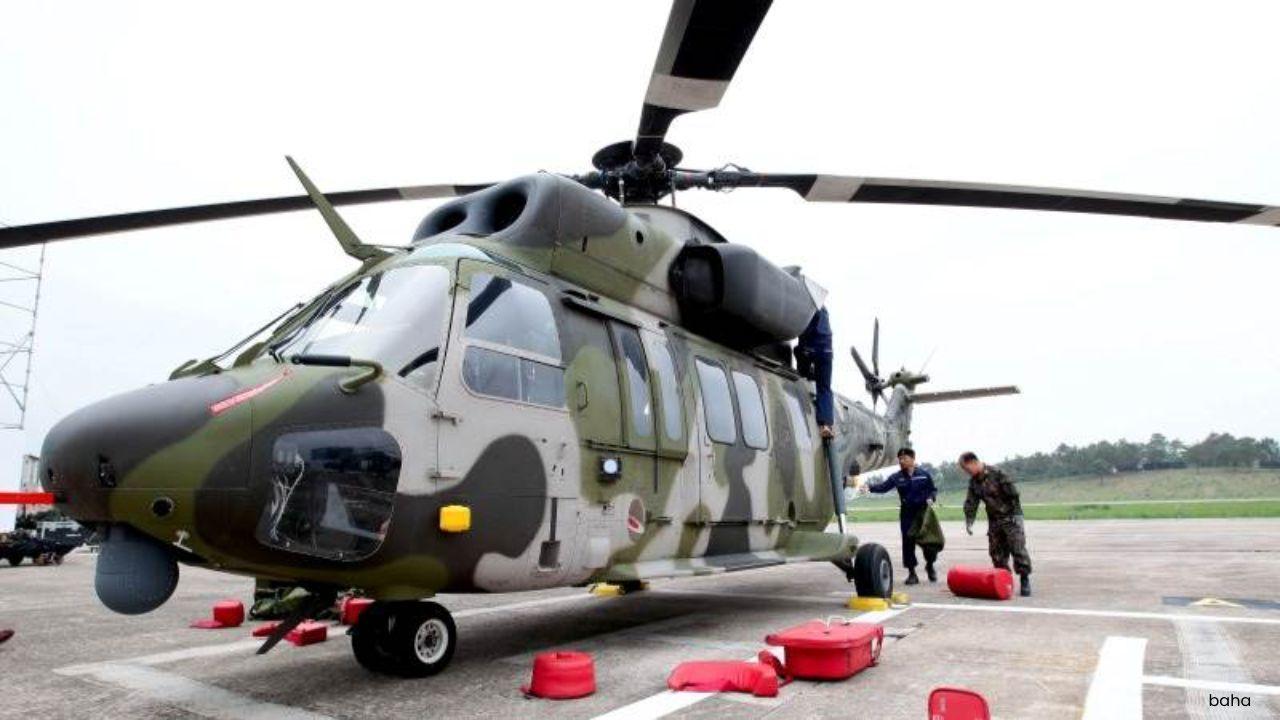
What began as a routine wildfire response operation quickly escalated into a sensitive geopolitical incident when a South Korean firefighting helicopter unintentionally crossed into the heavily fortified Demilitarized Zone (DMZ). The unexpected breach has drawn attention not only for its immediate security implications but also for what it reveals about the complexities of aerial operations in high-risk border regions.
The helicopter, deployed to combat rapidly spreading wildfires near the border, reportedly veered off its intended path amid challenging flying conditions. In a region where even minor airspace violations can trigger heightened alert levels, the incident underscores how quickly operational missions can intersect with geopolitical sensitivities.
Operating near the Korean DMZ presents one of the most complex aviation environments in the world. The area is heavily restricted, closely monitored, and governed by strict protocols designed to prevent any escalation between North and South Korea.
During wildfire operations, pilots often face reduced visibility, unpredictable wind patterns, and the urgency of rapid response—all factors that can compromise navigational precision. In this case, these conditions appear to have contributed to the unintended crossing, highlighting the inherent risks of aerial firefighting missions conducted near sensitive boundaries.
Following the incursion, South Korean authorities acted swiftly to assess the situation and prevent any escalation. Communication channels were activated to ensure that the incident was recognized as accidental, minimizing the risk of misinterpretation by North Korean forces.
The helicopter reportedly exited the restricted zone without further incident, and no hostile response was triggered. However, the event has reinforced the importance of real-time coordination, communication, and situational awareness when operating in geopolitically sensitive airspace.
Incidents like this inevitably lead to renewed scrutiny of aviation safety protocols, particularly in environments where civilian and military airspaces intersect. Questions are now being raised about the adequacy of navigation systems, flight planning procedures, and real-time monitoring capabilities used during emergency operations.
Advanced avionics, including GPS-based tracking and automated geofencing systems, are designed to prevent such breaches. However, the incident suggests that even with modern technology, human factors and environmental challenges can still create vulnerabilities that must be addressed.
The DMZ incident highlights a critical tension in modern aviation: the need to respond quickly to emergencies while maintaining strict adherence to airspace regulations. In high-risk zones, even well-intentioned missions can carry unintended consequences.
For firefighting crews, the priority is always to contain damage and protect lives. Yet, when operations occur near sensitive borders, every maneuver carries an added layer of complexity. This dual responsibility places immense pressure on pilots and operational planners to balance urgency with precision.
This incident serves as a stark reminder that aviation safety is not just about technology—it is about coordination, training, and adaptability in unpredictable environments. As climate-driven disasters like wildfires become more frequent, aerial response missions will increasingly intersect with complex geopolitical landscapes.
Going forward, authorities may need to strengthen cross-border communication protocols, enhance real-time monitoring systems, and invest in more advanced navigation safeguards. In regions like the Korean Peninsula, where the margin for error is virtually zero, even a single misstep can have far-reaching implications.
#trending #latest,#DMZIncident #HelicopterSafety #AviationNews #WildfireResponse #AirspaceSecurity








Advances in Aerospace Technology and Commercial Aviation Recovery
Insights into breakthrough aerospace technologies and commercial aviation’s recovery amid 2025 chall

Defense Modernization and Strategic Spending Trends
Explore key trends in global defense modernization and strategic military spending shaping 2025 secu

Tens of Thousands Protest in Serbia on Anniversary of Deadly Roof Collapse
Tens of thousands in Novi Sad mark a year since a deadly station roof collapse that killed 16, prote

Canada PM Carney Apologizes to Trump Over Controversial Reagan Anti-Tariff Ad
Canadian PM Mark Carney apologized to President Trump over an Ontario anti-tariff ad quoting Reagan,

The ad that stirred a hornets nest, and made Canadian PM Carney say sorry to Trump
Canadian PM Mark Carney apologizes to US President Trump after a tariff-related ad causes diplomatic

Bengaluru-Mumbai Superfast Train Approved After 30-Year Wait
Railways approves new superfast train connecting Bengaluru and Mumbai, ending a 30-year demand, easi



