Post by : Avinab Raana
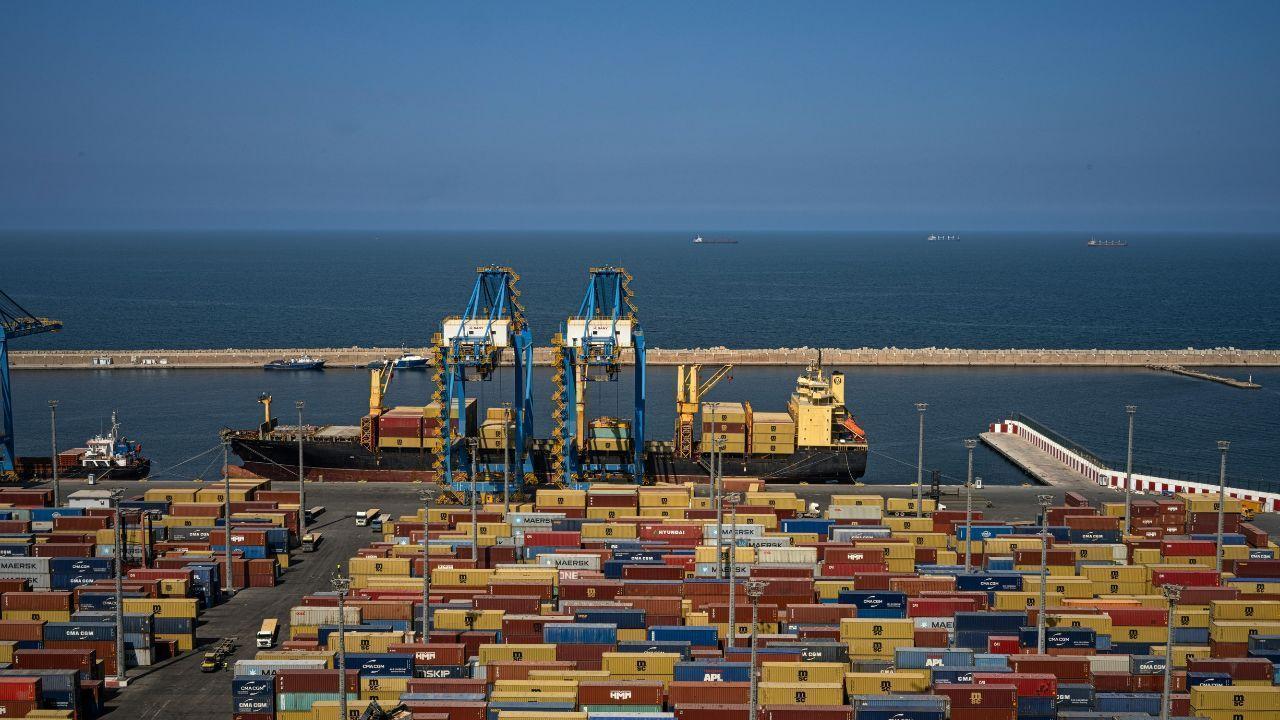
India’s port infrastructure ambitions have taken a decisive turn as the V.O. Chidambaranar (VOC) Port revises its outer harbour tender criteria, reflecting deeper concerns tied to the newly signed India–European Union Free Trade Agreement. What appears as a technical tweak in bidding norms is, in reality, a strategic recalibration—one that could redefine how global players participate in India’s rapidly evolving maritime ecosystem.
At the heart of the revision lies a growing unease over how international trade agreements might influence domestic infrastructure projects. The India-EU FTA, signed in early 2026, opens doors for European firms but also introduces compliance, transparency, and competitive neutrality obligations that Indian authorities must now carefully navigate.
The VOC Port Authority’s move to revisit tender eligibility criteria is aimed at ensuring that project participation aligns with these new global commitments while safeguarding domestic interests. The changes are expected to refine qualification norms, bidding structures, and evaluation frameworks—essentially tightening the balance between openness and strategic control.
The outer harbour project at VOC Port is no ordinary infrastructure upgrade, it is a multi-billion-dollar maritime expansion designed to handle next-generation container traffic and position southern India as a global shipping hub. However, the project has already faced significant turbulence.
Earlier attempts at tendering failed to attract bidders, while revised cost estimates ballooned dramatically, with project costs rising sharply due to escalations in dredging and construction expenses. These setbacks forced authorities to rethink not just financial models but also the entire execution framework, including the possibility of hybrid public-private partnership structures. The latest tender revision is therefore not an isolated step—it is part of a broader effort to revive investor confidence and ensure project viability.
The timing of the tender revision is critical. With the India-EU FTA poised to deepen trade flows between India and Europe, ports like VOC are expected to handle increased cargo volumes and more sophisticated logistics requirements.
India’s trade trajectory already signals this shift. Merchandise exports remain robust, and global trade integration continues to expand, reinforcing the need for high-capacity, efficient port infrastructure.
However, the FTA also introduces competitive pressures. European firms, equipped with advanced technology and capital strength, could dominate bidding processes unless carefully regulated. This has made it essential for Indian authorities to redesign tender frameworks that remain globally compliant yet locally advantageous.
For global infrastructure investors and port operators, the revised tender criteria send mixed signals. On one hand, they highlight India’s commitment to transparency and international alignment. On the other, they underline the complexities of navigating regulatory frameworks shaped by trade agreements.
Domestic players, meanwhile, may see this as an opportunity to recalibrate strategies and compete more effectively under revised norms. The move could also encourage collaborations between Indian and European firms, blending local expertise with global capabilities.
The VOC Port tender revision is more than a procedural update, it is a defining moment in India’s infrastructure narrative. It reflects how global trade agreements are no longer distant diplomatic tools but active forces shaping on-ground project execution.
As India positions itself as a maritime powerhouse, the success of projects like VOC’s outer harbour will depend on how effectively policy, investment, and global partnerships converge. The coming months will reveal whether these revised norms unlock stalled investments or introduce a new layer of complexity in India’s infrastructure growth story.
#trending #latest#VOCPort #IndiaEUFTA #PortInfrastructure #GlobalTrade #ShippingIndustry






Advances in Aerospace Technology and Commercial Aviation Recovery
Insights into breakthrough aerospace technologies and commercial aviation’s recovery amid 2025 chall

Defense Modernization and Strategic Spending Trends
Explore key trends in global defense modernization and strategic military spending shaping 2025 secu

Tens of Thousands Protest in Serbia on Anniversary of Deadly Roof Collapse
Tens of thousands in Novi Sad mark a year since a deadly station roof collapse that killed 16, prote

Canada PM Carney Apologizes to Trump Over Controversial Reagan Anti-Tariff Ad
Canadian PM Mark Carney apologized to President Trump over an Ontario anti-tariff ad quoting Reagan,

The ad that stirred a hornets nest, and made Canadian PM Carney say sorry to Trump
Canadian PM Mark Carney apologizes to US President Trump after a tariff-related ad causes diplomatic

Bengaluru-Mumbai Superfast Train Approved After 30-Year Wait
Railways approves new superfast train connecting Bengaluru and Mumbai, ending a 30-year demand, easi



