Post by : Saif
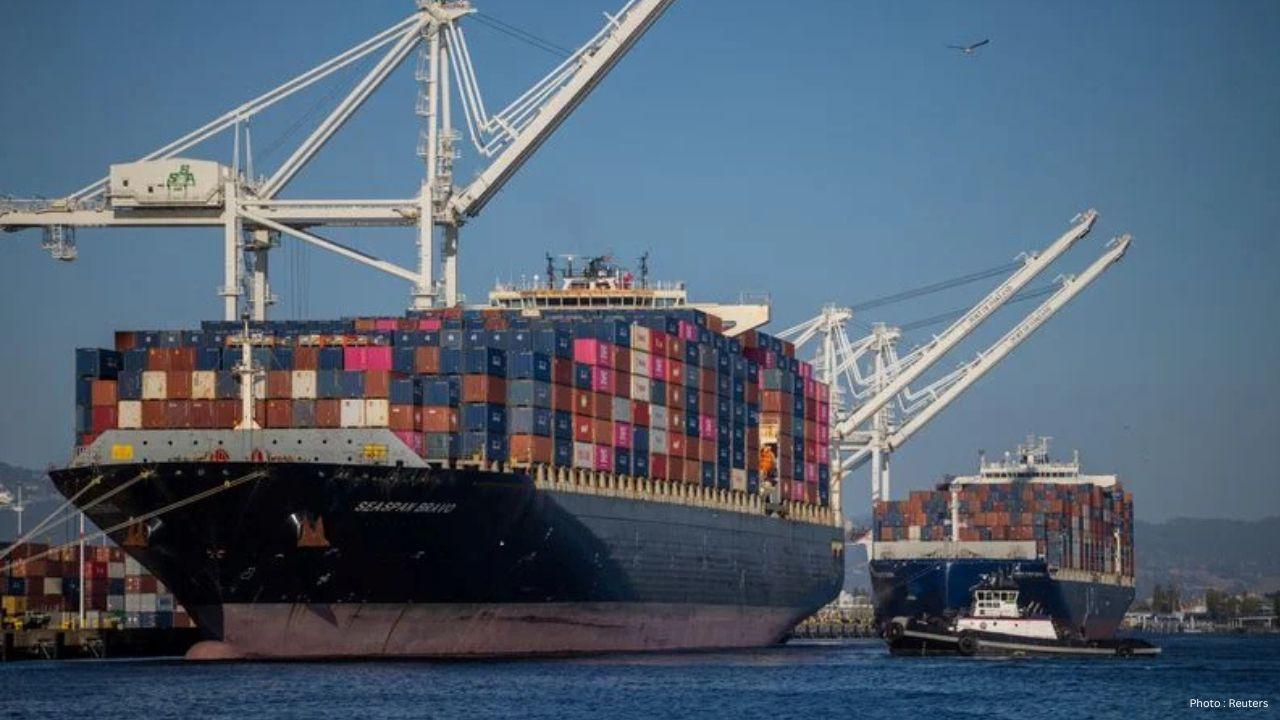
Washington's latest trade proposal could reshape global supply chains by imposing additional tariffs on imports connected to forced labor concerns. The measure, which may affect goods entering the United States from more than 60 economies, reflects a stronger effort to ensure that international trade supports fair labor practices and greater corporate accountability.
Concerns about worker exploitation have become increasingly important in global commerce. Governments, businesses, and consumer groups are demanding greater transparency regarding how products are manufactured and whether workers are treated fairly throughout the production process. As a result, labor standards are becoming a key factor in trade policy decisions.
The proposed tariffs are designed to discourage the use of forced labor within international supply networks. American officials believe that stronger economic measures can encourage companies and exporting nations to improve workplace conditions while promoting ethical business practices.
Modern manufacturing often involves complex supply chains that stretch across multiple countries. Raw materials may be sourced from one region, processed in another, and assembled elsewhere before reaching consumers. This complexity can make it difficult to identify labor violations, leading governments to seek stricter monitoring and compliance measures.
Businesses that export goods to the United States could face increased pressure to prove that their products are free from labor abuses. Many companies may need to strengthen supply chain oversight, improve documentation, and adopt stricter compliance procedures to maintain access to one of the world's largest consumer markets.
Supporters of the proposal argue that trade policies should encourage responsible business conduct. They believe economic incentives and penalties can help improve working conditions while protecting companies that already follow recognized labor standards.
Industry groups, however, warn that additional tariffs could increase operating costs and create challenges for manufacturers. Higher import duties may affect pricing, supply chain planning, and investment decisions, particularly for businesses that rely heavily on international sourcing.
The proposal arrives during a period of growing attention to ethical sourcing and corporate responsibility. Consumers are increasingly interested in knowing where products come from and how they are produced. Companies that demonstrate transparency and compliance may gain stronger trust among customers and investors.
International trade experts believe the measure could encourage governments and businesses to strengthen labor protections. Some countries may respond by increasing inspections, introducing stricter regulations, or working more closely with manufacturers to ensure compliance with international standards.
Economic effects could extend beyond the countries directly affected. Changes in trade rules often influence investment strategies, sourcing decisions, and global production networks. Companies may seek alternative suppliers or adjust manufacturing operations to reduce potential risks.
Trade policy is no longer focused only on tariffs and market access. Issues such as labor rights, environmental standards, and supply chain transparency are becoming increasingly important in shaping international economic relationships. Governments are using these tools to pursue broader policy objectives beyond traditional commerce.
Exporters that can demonstrate strong compliance practices may find new opportunities in a marketplace where ethical production is gaining greater importance. Transparency and accountability are becoming valuable competitive advantages in global trade.
Debates surrounding the proposal are expected to continue as policymakers, businesses, and international partners evaluate its potential effects. Balancing labor protections with economic growth remains a complex challenge that affects multiple industries and regions.
#trending #latest #USTariffs #GlobalTrade #ForcedLabor #SupplyChains #InternationalTrade #TradePolicy #LaborRights #BusinessNews #GlobalMarkets #USEconomy #Manufacturing #Imports #Exports #EconomicNews








Advances in Aerospace Technology and Commercial Aviation Recovery
Insights into breakthrough aerospace technologies and commercial aviation’s recovery amid 2025 chall

Defense Modernization and Strategic Spending Trends
Explore key trends in global defense modernization and strategic military spending shaping 2025 secu

Tens of Thousands Protest in Serbia on Anniversary of Deadly Roof Collapse
Tens of thousands in Novi Sad mark a year since a deadly station roof collapse that killed 16, prote

Canada PM Carney Apologizes to Trump Over Controversial Reagan Anti-Tariff Ad
Canadian PM Mark Carney apologized to President Trump over an Ontario anti-tariff ad quoting Reagan,

The ad that stirred a hornets nest, and made Canadian PM Carney say sorry to Trump
Canadian PM Mark Carney apologizes to US President Trump after a tariff-related ad causes diplomatic

Bengaluru-Mumbai Superfast Train Approved After 30-Year Wait
Railways approves new superfast train connecting Bengaluru and Mumbai, ending a 30-year demand, easi



