Post by : Saif
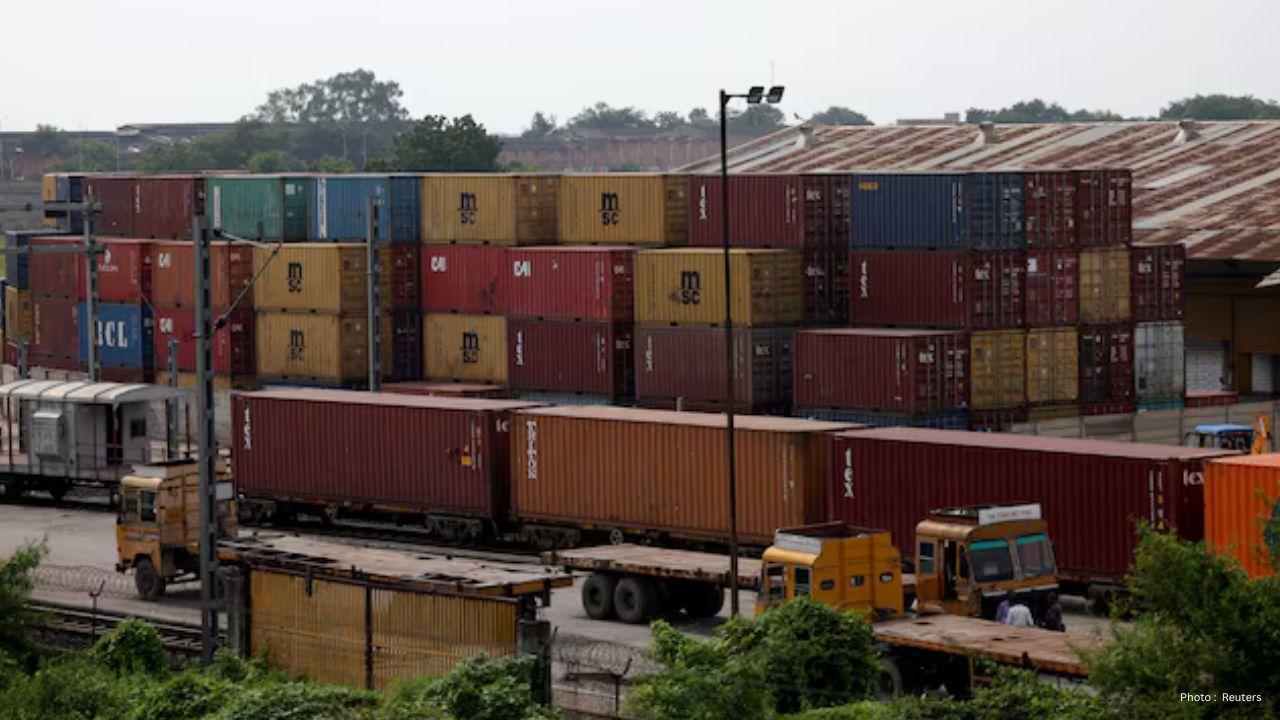
Trade relations between India and the United States have entered a sensitive phase as Washington moves forward with a tariff proposal linked to concerns about forced labour practices. The development comes at a time when both countries are working toward a broader trade agreement, making the issue particularly significant for policymakers, businesses, and investors.
Economic ties between the two nations have expanded considerably over the past two decades. Bilateral trade has grown across sectors such as technology, manufacturing, agriculture, pharmaceuticals, and services. As a result, any policy change affecting market access or import costs attracts attention from industries on both sides.
The proposed tariff is linked to concerns raised by American authorities regarding labour practices within global supply chains. The United States has increasingly focused on ensuring that imported products meet certain labour and human rights standards. In recent years, Washington has introduced measures aimed at preventing goods connected to forced labour from entering its market.
According to reports, the latest action could affect some products originating from India. While discussions between officials from both countries continue, the proposal has introduced a new point of disagreement at a time when negotiators are trying to strengthen economic cooperation through a comprehensive trade arrangement.
Supporters of stricter labour-related trade measures argue that international commerce should promote fair working conditions and ethical business practices. They believe trade policies can encourage companies and governments to improve labour standards while protecting workers from exploitation. From this perspective, import restrictions are viewed as tools for promoting accountability within global supply chains.
However, critics argue that such measures can sometimes create uncertainty for exporters and businesses that depend on international markets. They also point out that labour standards can be difficult to assess across complex supply networks involving multiple countries, suppliers, and production stages.
For India, the issue is important because exports play a significant role in economic growth and employment generation. Access to major international markets supports industries ranging from textiles and engineering goods to pharmaceuticals and information technology services. Any development that increases trade barriers may affect business planning and investment decisions.
The situation also highlights the growing connection between trade policy and broader social issues. Modern trade agreements increasingly include discussions about labour rights, environmental standards, sustainability, and supply chain transparency. Economic relationships today involve more than tariffs and market access alone.
Businesses operating internationally are paying close attention to these developments. Companies often invest significant resources in compliance systems designed to meet regulatory requirements in different countries. New trade measures can increase operational costs and require additional monitoring of suppliers and production processes.
Despite the disagreement, both nations continue to have strong incentives to maintain a constructive relationship. The United States remains one of India's most important trading partners, while India represents a major market and strategic partner for Washington. Both governments have repeatedly emphasized the importance of strengthening economic cooperation and expanding commercial ties.
The ongoing trade negotiations demonstrate that differences can exist even between close partners. Complex economic relationships often involve disagreements over regulations, market access, and policy priorities. Successful negotiations generally require compromise, patience, and a willingness to address concerns through dialogue.
From an economic perspective, maintaining stable trade relations benefits businesses, consumers, and investors in both countries. Greater market access can encourage investment, create jobs, and support long-term growth. For this reason, policymakers on both sides are likely to continue seeking solutions that balance economic interests with broader policy objectives.
The tariff proposal also reflects a wider global trend. Governments around the world are placing greater emphasis on supply chain standards and responsible sourcing practices. As international trade evolves, businesses may face increasing expectations regarding labour conditions, environmental responsibility, and corporate transparency.
From an editorial standpoint, the latest development should be viewed as a challenge rather than a crisis in India-US relations. Strong partnerships often face periods of disagreement, especially when complex issues such as labour standards and trade regulations are involved. What matters most is how both sides respond to these differences.
Constructive engagement remains the best path forward. Open communication and continued negotiations can help address concerns while preserving the broader economic relationship that benefits both countries. Escalating trade disputes would serve neither side, particularly at a time when global economic uncertainty remains a concern.
The future of India-US trade cooperation will depend on the ability of policymakers to balance economic growth, worker protections, and market access. While the tariff proposal has introduced a new obstacle, it also provides an opportunity for deeper discussions about the standards that shape international commerce. How both countries manage this issue may influence the direction of their economic partnership for years to come.
#trending #latest #IndiaUSTrade #TradePolicy #EconomicNews #InternationalTrade #USTariffs #IndiaEconomy #GlobalTrade #TradeTalks #BusinessNews #EconomicPolicy #SupplyChains #LabourStandards #GlobalEconomy








Advances in Aerospace Technology and Commercial Aviation Recovery
Insights into breakthrough aerospace technologies and commercial aviation’s recovery amid 2025 chall

Defense Modernization and Strategic Spending Trends
Explore key trends in global defense modernization and strategic military spending shaping 2025 secu

Tens of Thousands Protest in Serbia on Anniversary of Deadly Roof Collapse
Tens of thousands in Novi Sad mark a year since a deadly station roof collapse that killed 16, prote

Canada PM Carney Apologizes to Trump Over Controversial Reagan Anti-Tariff Ad
Canadian PM Mark Carney apologized to President Trump over an Ontario anti-tariff ad quoting Reagan,

The ad that stirred a hornets nest, and made Canadian PM Carney say sorry to Trump
Canadian PM Mark Carney apologizes to US President Trump after a tariff-related ad causes diplomatic

Bengaluru-Mumbai Superfast Train Approved After 30-Year Wait
Railways approves new superfast train connecting Bengaluru and Mumbai, ending a 30-year demand, easi



