Post by : Avinab Raana
Photo : X / Reuters
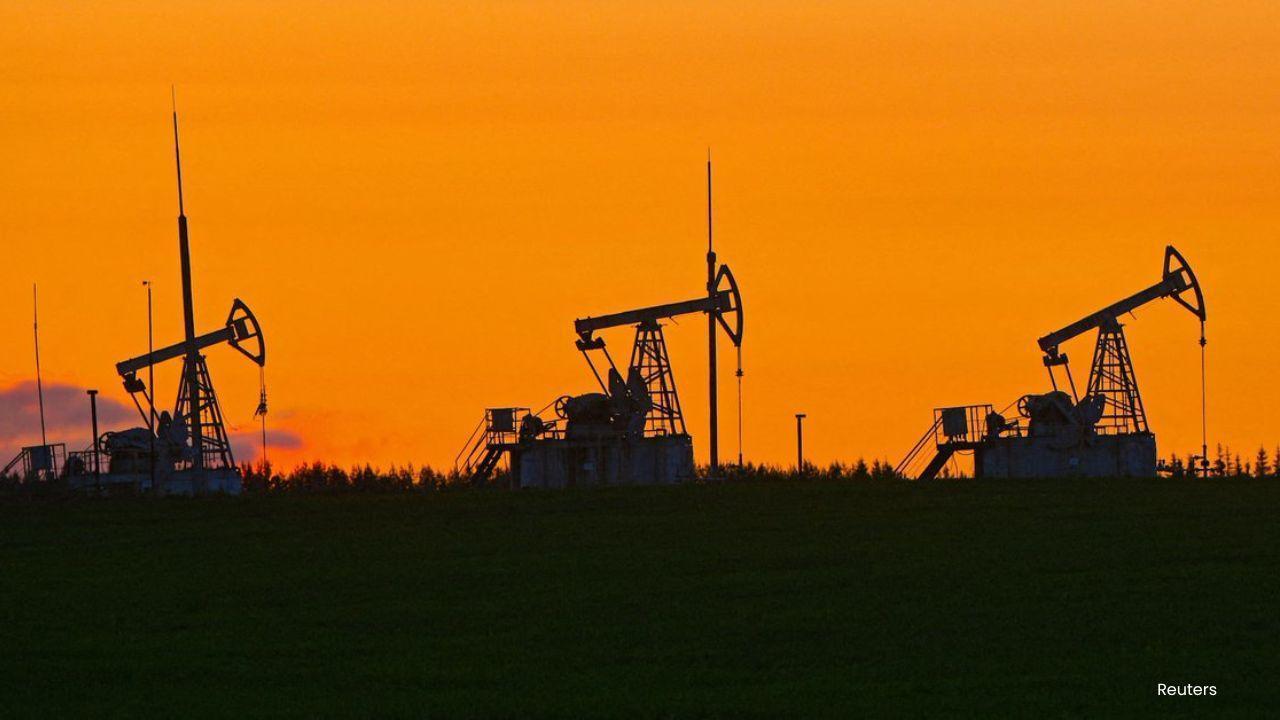
U.S. authorities are seeking an immediate sale of a seized shadow tanker and the crude oil it was carrying, marking another aggressive step in the country’s expanding sanctions enforcement campaign. The vessel was intercepted while transporting a large crude cargo suspected to be linked with sanctions-evading trade routes. Now, federal officials are asking the court to authorize a rapid sale of both the ship and its cargo to preserve their economic value. The move reflects growing pressure from regulators to disrupt maritime networks that enable illicit oil shipments across international waters.
The tanker involved is believed to have been operating within the global shadow fleet tanker network. These fleets typically consist of aging vessels that move crude oil through complex ownership structures and opaque trading routes designed to bypass sanctions and regulatory oversight.
Authorities claim the ship was transporting crude oil cargo tied to restricted energy trade flows. Following the seizure, the cargo was transferred to secure storage facilities while legal proceedings over the vessel’s future continue.
Government officials argue that holding the vessel for an extended period could reduce the value of the asset. Large oil tankers require constant maintenance, insurance coverage, and port fees, all of which can quickly accumulate when a ship remains under legal custody.
Because of these mounting expenses, prosecutors are requesting permission to proceed with a seized oil tanker salebefore the case is fully resolved. Selling the tanker and its cargo early would allow authorities to preserve the financial value of the assets while the legal process continues.
The case highlights the intensifying scrutiny on the global shadow fleet, which has grown rapidly in recent years as geopolitical tensions and sanctions reshape energy trade routes. These vessels often operate with minimal transparency, frequently switching ownership or disabling tracking systems to avoid detection. Maritime regulators and governments have increasingly targeted such vessels, viewing them as a major loophole in global sanctions enforcement.
The seizure and proposed sale of the tanker sends a strong signal across the maritime sector. Shipping companies, insurers, and port authorities are being forced to tighten compliance procedures as enforcement agencies step up monitoring of tanker operations. For legitimate operators, the crackdown is reshaping risk assessments, insurance requirements, and due-diligence practices in the global oil shipping market.
The push for a rapid sale of the seized tanker underscores how seriously authorities are treating sanctions violations in the maritime sector. By confiscating ships and cargo linked to illicit oil trade, regulators aim to disrupt the financial incentives behind shadow fleet operations.
As enforcement actions increase, the maritime industry is entering a new phase of scrutiny—one where vessels operating outside transparent trading networks may face growing legal and financial consequences.
#trending #latest, U.S. authorities push for the immediate sale of a seized shadow tanker and its crude cargo, intensifying the crackdown on sanctions-evading oil shipments







Advances in Aerospace Technology and Commercial Aviation Recovery
Insights into breakthrough aerospace technologies and commercial aviation’s recovery amid 2025 chall

Defense Modernization and Strategic Spending Trends
Explore key trends in global defense modernization and strategic military spending shaping 2025 secu

Tens of Thousands Protest in Serbia on Anniversary of Deadly Roof Collapse
Tens of thousands in Novi Sad mark a year since a deadly station roof collapse that killed 16, prote

Canada PM Carney Apologizes to Trump Over Controversial Reagan Anti-Tariff Ad
Canadian PM Mark Carney apologized to President Trump over an Ontario anti-tariff ad quoting Reagan,

The ad that stirred a hornets nest, and made Canadian PM Carney say sorry to Trump
Canadian PM Mark Carney apologizes to US President Trump after a tariff-related ad causes diplomatic

Bengaluru-Mumbai Superfast Train Approved After 30-Year Wait
Railways approves new superfast train connecting Bengaluru and Mumbai, ending a 30-year demand, easi



