Post by : Avinab Raana
Photo : X / @SaveSJarrah
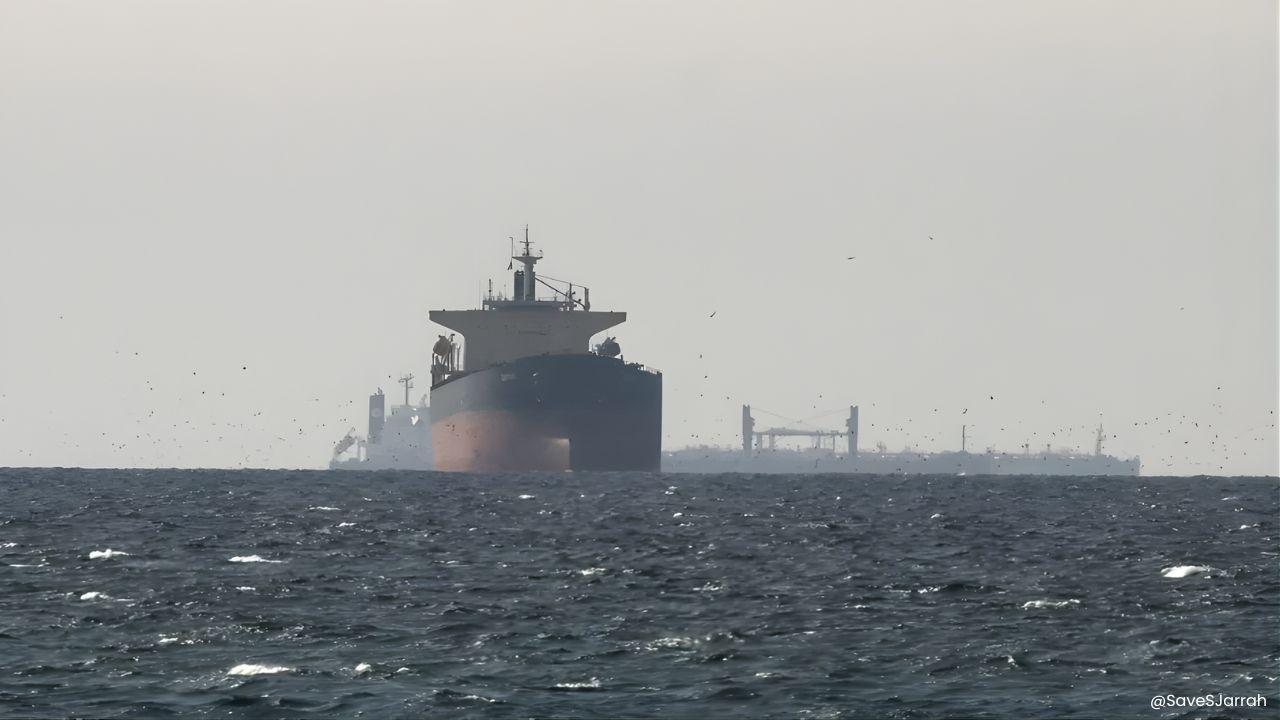
Global oil markets are entering a decisive phase as the United States considers easing sanctions on Iranian oil currently stranded at sea. With crude oil prices climbing amid ongoing geopolitical instability, policymakers are under increasing pressure to find immediate solutions that can stabilize supply and prevent further price escalation. The possibility of unlocking this trapped volume of oil has quickly emerged as one of the most closely watched developments in the energy sector.
A significant quantity of Iranian crude has remained idle on tankers due to long-standing sanctions, effectively removed from active global trade. If these restrictions are lifted, this oil could flow back into the market almost instantly, offering a rare opportunity to inject supply without the delays associated with new production. In a scenario where physical oil availability is tightening, this move could temporarily ease the imbalance between supply and demand.
The consideration reflects a broader shift toward supply-side intervention as a means of controlling oil prices. Rather than imposing restrictions or relying solely on financial mechanisms, the focus is now on increasing physical availability in the market. By releasing already-produced oil, policymakers aim to address immediate shortages and restore a degree of balance in an increasingly volatile trading environment.
The backdrop to this potential policy shift is escalating tension in the Middle East, which has disrupted key energy flows and heightened uncertainty across global markets. Shipping routes have become riskier, supply chains more fragile, and energy prices more sensitive to sudden changes. These conditions have intensified the urgency for measures that can quickly stabilize the system.
While the release of stranded oil could provide short-term relief, it does not resolve the deeper structural issues facing the global energy market. The additional supply is finite, and once absorbed, markets may once again face upward pressure on prices. This raises important questions about the sustainability of such interventions and the need for more comprehensive long-term strategies.
Energy markets are highly responsive to policy signals, and even the consideration of lifting sanctions has implications for global trade dynamics. Traders and industry players are closely monitoring developments, as any increase in supply could reshape pricing trends and influence future contracts. In this environment, perception often moves markets as much as actual supply changes.
The potential easing of sanctions represents more than just a tactical decision, it signals a broader shift in how governments are approaching energy crises. Flexibility, speed, and access to existing resources are becoming critical tools in managing volatility. As global markets continue to navigate uncertainty, such decisions could redefine the balance between policy and market forces.
Iranian oil sanctions, US oil policy, global oil supply, stranded oil tankers, crude oil prices, energy market crisis, oil price control, Middle East oil






Advances in Aerospace Technology and Commercial Aviation Recovery
Insights into breakthrough aerospace technologies and commercial aviation’s recovery amid 2025 chall

Defense Modernization and Strategic Spending Trends
Explore key trends in global defense modernization and strategic military spending shaping 2025 secu

Tens of Thousands Protest in Serbia on Anniversary of Deadly Roof Collapse
Tens of thousands in Novi Sad mark a year since a deadly station roof collapse that killed 16, prote

Canada PM Carney Apologizes to Trump Over Controversial Reagan Anti-Tariff Ad
Canadian PM Mark Carney apologized to President Trump over an Ontario anti-tariff ad quoting Reagan,

The ad that stirred a hornets nest, and made Canadian PM Carney say sorry to Trump
Canadian PM Mark Carney apologizes to US President Trump after a tariff-related ad causes diplomatic

Bengaluru-Mumbai Superfast Train Approved After 30-Year Wait
Railways approves new superfast train connecting Bengaluru and Mumbai, ending a 30-year demand, easi



