Post by : Avinab Raana
Photo : X / @researchUSAI
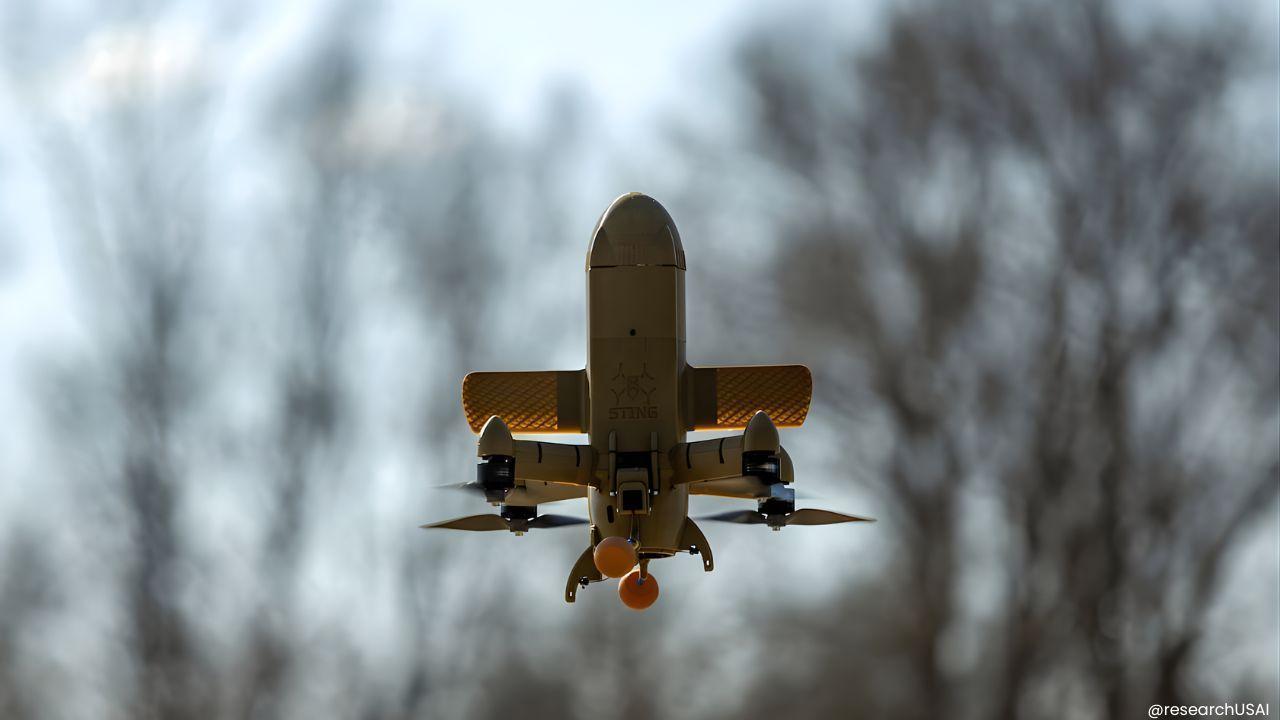
In a significant shift in global defense dynamics, Ukraine has deployed specialized interceptor units across multiple Middle Eastern nations, marking its emergence as an exporter of battlefield expertise. The move signals how modern conflicts are no longer confined by geography, with military capabilities increasingly shared across regions facing similar threats.
Ukraine’s decision to deploy these units is rooted in its extensive experience countering drone and missile attacks during its ongoing conflict with Russia. Over time, the country has developed highly effective interception techniques, particularly against low-cost, high-volume drone threats. This expertise is now being leveraged in the Middle East, where similar aerial threats are becoming more frequent and sophisticated.
The deployed units are primarily tasked with safeguarding key civilian and strategic infrastructure, including energy facilities, transport hubs, and urban centers. In an era where drones are increasingly used to target high-value assets, the need for rapid and adaptable defense systems has become critical. Ukraine’s interceptor units are designed to operate in such high-risk environments, providing real-time response capabilities against incoming threats.
The move highlights a growing global demand for anti-drone defense systems. As conflicts evolve, traditional air defense mechanisms are being supplemented with agile, cost-effective solutions capable of countering swarms of unmanned aerial vehicles. Countries in the Middle East are now turning to Ukraine not just for equipment, but for operational know-how developed under real combat conditions.
Ukraine’s deployment also signals a broader shift toward international security collaboration. By extending its capabilities beyond its own borders, the country is positioning itself as a key player in global defense networks. This evolving role opens the door for deeper partnerships, technology exchanges, and long-term cooperation agreements with nations facing similar security challenges.
The presence of Ukrainian units in the Middle East marks more than a tactical deployment, it reflects a transformation in how nations respond to emerging threats. Expertise is becoming as valuable as equipment, and collaboration is replacing isolation in defense strategy. As drone warfare continues to reshape battlefields worldwide, Ukraine’s expanding role underscores a new reality: the future of security will be built on shared knowledge, rapid adaptation, and global cooperation.
Ukraine drone defense Middle East, interceptor units Ukraine, anti drone warfare 2026, Iran drone threat response, global defense cooperation, Shahed drone interception, Ukraine military expansion, Middle East security








Advances in Aerospace Technology and Commercial Aviation Recovery
Insights into breakthrough aerospace technologies and commercial aviation’s recovery amid 2025 chall

Defense Modernization and Strategic Spending Trends
Explore key trends in global defense modernization and strategic military spending shaping 2025 secu

Tens of Thousands Protest in Serbia on Anniversary of Deadly Roof Collapse
Tens of thousands in Novi Sad mark a year since a deadly station roof collapse that killed 16, prote

Canada PM Carney Apologizes to Trump Over Controversial Reagan Anti-Tariff Ad
Canadian PM Mark Carney apologized to President Trump over an Ontario anti-tariff ad quoting Reagan,

The ad that stirred a hornets nest, and made Canadian PM Carney say sorry to Trump
Canadian PM Mark Carney apologizes to US President Trump after a tariff-related ad causes diplomatic

Bengaluru-Mumbai Superfast Train Approved After 30-Year Wait
Railways approves new superfast train connecting Bengaluru and Mumbai, ending a 30-year demand, easi



