Post by : Avinab Raana
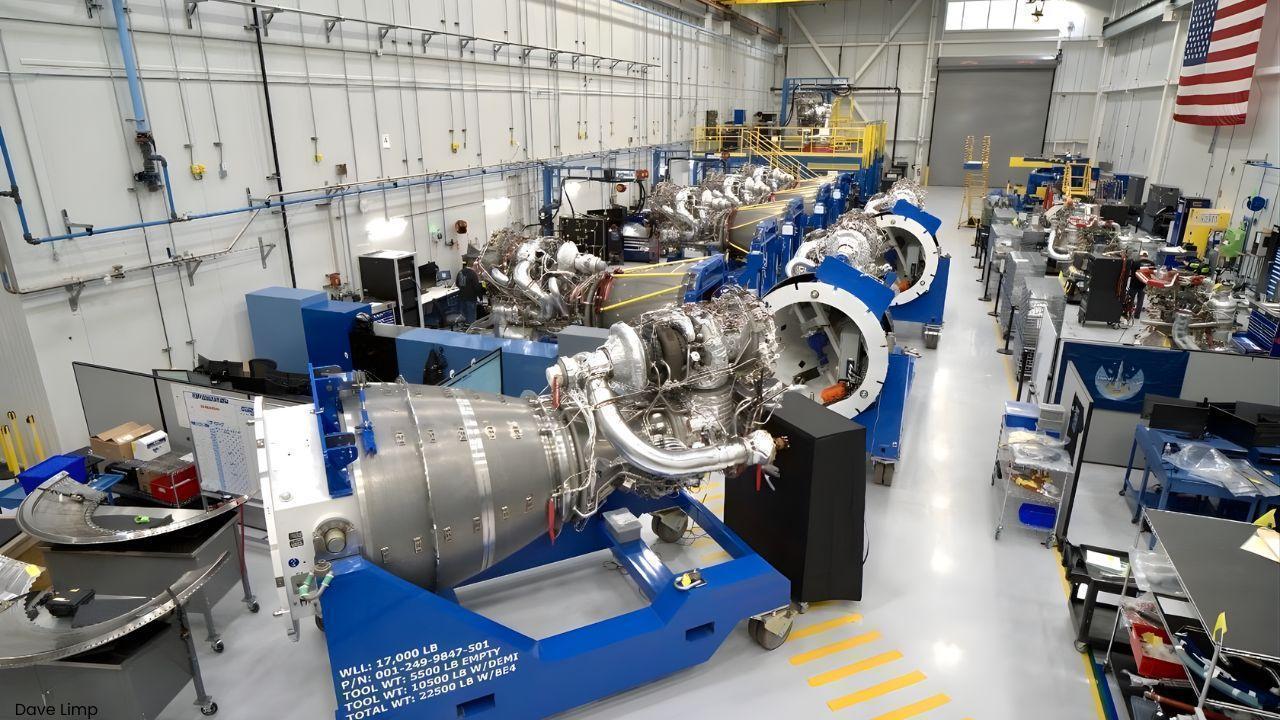
Photo : X / Dave Limp
In an industry increasingly focused on next-generation technology, the enduring demand for CFM56 engines is sending a clear signal—older platforms still hold significant value. Despite evolving market pressures and geopolitical uncertainties, these widely used engines continue to dominate airline operations and leasing portfolios.
Ongoing delays in aircraft and engine deliveries have created a bottleneck across the aviation sector, forcing airlines to extend the life of existing fleets. As newer engines remain in short supply, carriers are relying heavily on proven platforms like the CFM56 to maintain operational continuity. This supply-demand imbalance has strengthened the position of legacy engines, turning them into critical assets rather than transitional solutions.
The growing demand has sparked renewed confidence among engine lessors, with new players entering the market and expanding portfolios focused on CFM56 variants. Leasing firms are actively acquiring and managing these engines, anticipating sustained utilization rates and strong placement opportunities. The shift reflects a broader trend where aftermarket assets are becoming increasingly central to aviation investment strategies.
One of the key reasons behind the continued popularity of CFM56 engines lies in their maintenance economics. Compared to newer-generation engines, which often come with higher repair complexity and costs, these engines offer a more predictable and manageable maintenance cycle. For airlines operating under tight margins, this balance between cost and performance is proving to be a decisive factor.
The resurgence in demand is also boosting the broader MRO ecosystem, including repair shops, parts suppliers, and service providers. With more engines remaining in active service for longer periods, the need for efficient maintenance solutions and spare parts is increasing rapidly. This has turned the aftermarket into a critical pillar of the aviation industry, supporting fleet availability in a constrained environment.
While the aviation sector continues to push toward more fuel-efficient and advanced engines, the current market dynamics highlight the enduring relevance of legacy technology. The CFM56, once considered a transitional engine, is now playing a central role in bridging the gap between demand and supply. As airlines navigate uncertainty and evolving market conditions, the message is clear—reliability and availability can often outweigh innovation in the short term.
CFM56 engine demand, aircraft engine leasing 2026, aviation MRO market, airline fleet strategy, engine shortage aviation, narrowbody engine demand, aviation aftermarket growth, aircraft delivery delays










Advances in Aerospace Technology and Commercial Aviation Recovery
Insights into breakthrough aerospace technologies and commercial aviation’s recovery amid 2025 chall

Defense Modernization and Strategic Spending Trends
Explore key trends in global defense modernization and strategic military spending shaping 2025 secu

Tens of Thousands Protest in Serbia on Anniversary of Deadly Roof Collapse
Tens of thousands in Novi Sad mark a year since a deadly station roof collapse that killed 16, prote

Canada PM Carney Apologizes to Trump Over Controversial Reagan Anti-Tariff Ad
Canadian PM Mark Carney apologized to President Trump over an Ontario anti-tariff ad quoting Reagan,

The ad that stirred a hornets nest, and made Canadian PM Carney say sorry to Trump
Canadian PM Mark Carney apologizes to US President Trump after a tariff-related ad causes diplomatic

Bengaluru-Mumbai Superfast Train Approved After 30-Year Wait
Railways approves new superfast train connecting Bengaluru and Mumbai, ending a 30-year demand, easi



