Post by : Avinab Raana
Photo : X / Bloomberg
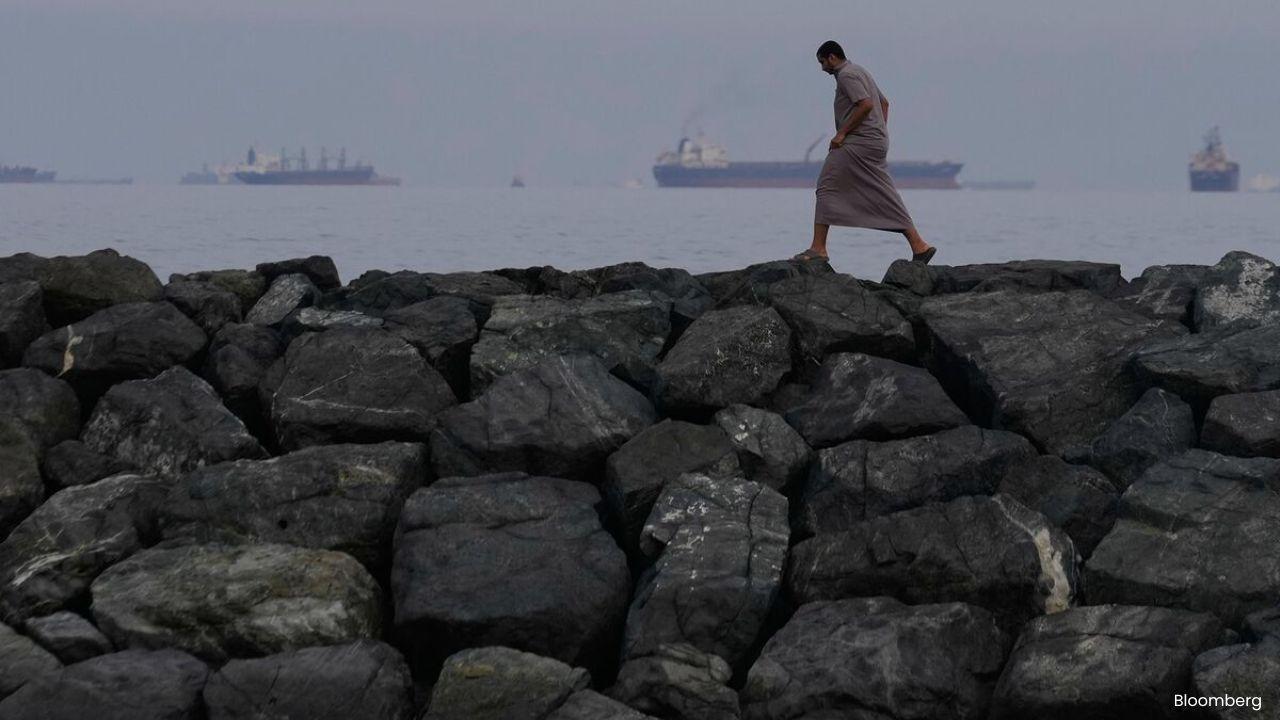
A dramatic escalation in the Gulf conflict has unfolded after Donald Trump issued a 48-hour ultimatum to Iran, demanding the full reopening of the Strait of Hormuz. The warning has immediately intensified global anxiety, as the narrow waterway remains one of the most critical arteries for international oil trade and maritime movement.
The ultimatum marks a sharp shift in tone, moving beyond diplomatic pressure to the possibility of direct military action. Trump’s stance suggests that failure to comply could trigger targeted strikes, raising the stakes of an already volatile situation. This development has transformed a regional conflict into a potential flashpoint with far-reaching global consequences.
Iran has reacted firmly, signaling that any external aggression would be met with retaliation across the region. The response reflects a broader strategy of deterrence, with Tehran emphasizing its readiness to escalate if its sovereignty or strategic assets are threatened. The exchange of warnings on both sides has further deepened uncertainty in the region.
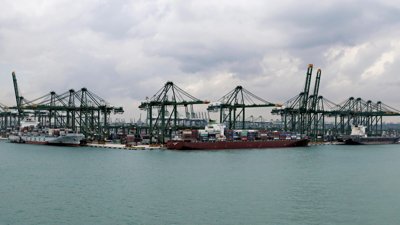
The Strait of Hormuz is one of the world’s most strategically vital shipping corridors, handling a significant share of global oil exports. Any disruption, partial or complete has immediate implications for energy markets and international trade. The current standoff has already begun to impact vessel movement, with operators exercising caution amid rising risks.
The escalating tensions have placed immense pressure on global shipping and energy sectors. Oil prices have reacted sharply to the uncertainty, while shipping companies are reassessing routes, insurance coverage, and operational safety. The possibility of restricted access to Hormuz has introduced a new layer of complexity for global logistics networks.
As the deadline approaches, the situation represents a defining moment for the future of global trade security. The Strait of Hormuz is no longer just a geographic chokepoint, it has become a symbol of how geopolitical power struggles can directly influence economic stability worldwide. With both sides holding firm, the coming hours will be critical. Whether this ultimatum leads to de-escalation or further conflict, its impact is already reshaping how the world views the security of its most essential trade routes.
Strait of Hormuz crisis, Trump Iran ultimatum, Gulf war escalation, oil shipping disruption, maritime security, global energy crisis, tanker routes, geopolitical tensions






Advances in Aerospace Technology and Commercial Aviation Recovery
Insights into breakthrough aerospace technologies and commercial aviation’s recovery amid 2025 chall

Defense Modernization and Strategic Spending Trends
Explore key trends in global defense modernization and strategic military spending shaping 2025 secu

Tens of Thousands Protest in Serbia on Anniversary of Deadly Roof Collapse
Tens of thousands in Novi Sad mark a year since a deadly station roof collapse that killed 16, prote

Canada PM Carney Apologizes to Trump Over Controversial Reagan Anti-Tariff Ad
Canadian PM Mark Carney apologized to President Trump over an Ontario anti-tariff ad quoting Reagan,

The ad that stirred a hornets nest, and made Canadian PM Carney say sorry to Trump
Canadian PM Mark Carney apologizes to US President Trump after a tariff-related ad causes diplomatic

Bengaluru-Mumbai Superfast Train Approved After 30-Year Wait
Railways approves new superfast train connecting Bengaluru and Mumbai, ending a 30-year demand, easi



