Post by : Avinab Raana
Photo : X / euronews
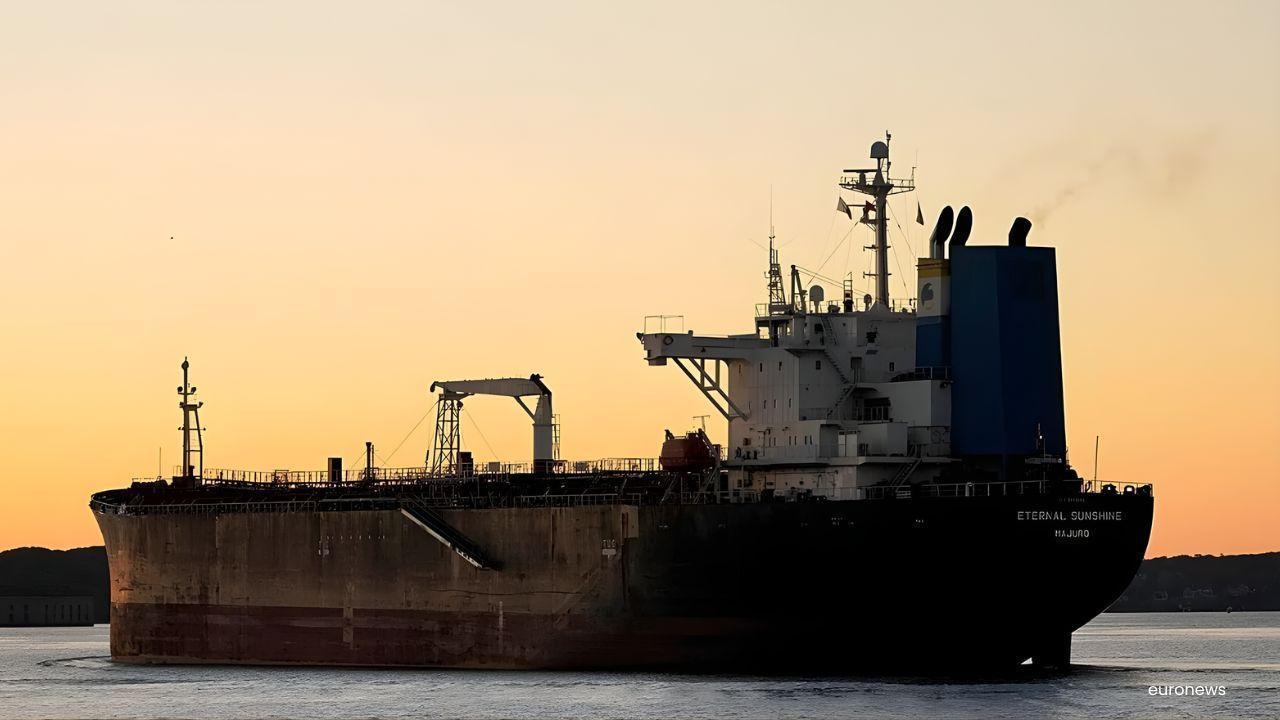
A major shift in U.S. maritime policy may be on the horizon as the Trump administration considers a temporary Jones Act waiver to accelerate fuel and fertilizer shipments between American ports. The proposal has quickly sparked attention across the shipping and energy industries because it could reshape how essential commodities move within the United States during periods of supply pressure.
The potential waiver aims to expand shipping capacity by allowing more vessels to transport critical cargo along domestic routes. If approved, it could significantly influence fuel availability and agricultural supply chains in the coming months.
The Jones Act has long been a cornerstone of U.S. maritime law. The regulation requires that cargo moving between U.S. ports must be transported on vessels built, owned, and operated by American companies. The law was designed to protect the domestic maritime industry and maintain a strong national fleet capable of supporting both economic activity and national security.
However, the limited number of eligible ships sometimes creates capacity constraints during times of high demand. This is where the proposed Jones Act waiver could play a pivotal role by temporarily opening domestic routes to additional vessels.
The push for the waiver is largely driven by growing pressure on the energy supply chain. Rising fuel demand combined with global shipping disruptions has forced policymakers to explore new ways to ensure stable distribution across the country.
Allowing more ships to move petroleum products between U.S. ports could help reduce transportation bottlenecks and prevent regional shortages. For industries that depend heavily on reliable fuel deliveries, the potential policy change could bring much-needed flexibility.
Beyond energy markets, the proposal also targets fertilizer transport logistics, a critical component of the agricultural economy. Farmers rely on timely fertilizer deliveries to prepare for planting seasons, and any disruption in supply can directly affect crop production and food prices. Expanding shipping options could allow fertilizer shipments to reach agricultural hubs faster, helping stabilize supply during periods of tight global markets.
The maritime sector is closely watching the developments surrounding the proposed waiver. Supporters argue that temporarily easing restrictions would strengthen domestic logistics networks during a time of heightened uncertainty. By increasing vessel availability, policymakers could ensure that essential cargo continues to move efficiently.
At the same time, some industry voices caution that waiving the law even briefly could create concerns within the domestic shipping sector that relies on the protections provided by the Jones Act.
Whether or not the waiver moves forward, the debate highlights how crucial maritime transportation has become for national supply chains. Fuel distribution, agricultural logistics, and domestic shipping infrastructure are all interconnected in ways that directly affect economic stability.
If implemented, the Jones Act waiver could provide short-term relief for strained supply chains while opening a broader conversation about the future of U.S. maritime policy. For the shipping industry and energy markets alike, the coming decision could shape domestic logistics strategies for years to come.
#trending #latest, Jones Act waiver, U.S. fuel shipping, fertilizer transport logistics, maritime law reform, domestic tanker shipping, energy supply chain, U.S. maritime policy








Advances in Aerospace Technology and Commercial Aviation Recovery
Insights into breakthrough aerospace technologies and commercial aviation’s recovery amid 2025 chall

Defense Modernization and Strategic Spending Trends
Explore key trends in global defense modernization and strategic military spending shaping 2025 secu

Tens of Thousands Protest in Serbia on Anniversary of Deadly Roof Collapse
Tens of thousands in Novi Sad mark a year since a deadly station roof collapse that killed 16, prote

Canada PM Carney Apologizes to Trump Over Controversial Reagan Anti-Tariff Ad
Canadian PM Mark Carney apologized to President Trump over an Ontario anti-tariff ad quoting Reagan,

The ad that stirred a hornets nest, and made Canadian PM Carney say sorry to Trump
Canadian PM Mark Carney apologizes to US President Trump after a tariff-related ad causes diplomatic

Bengaluru-Mumbai Superfast Train Approved After 30-Year Wait
Railways approves new superfast train connecting Bengaluru and Mumbai, ending a 30-year demand, easi



