Post by : Saif
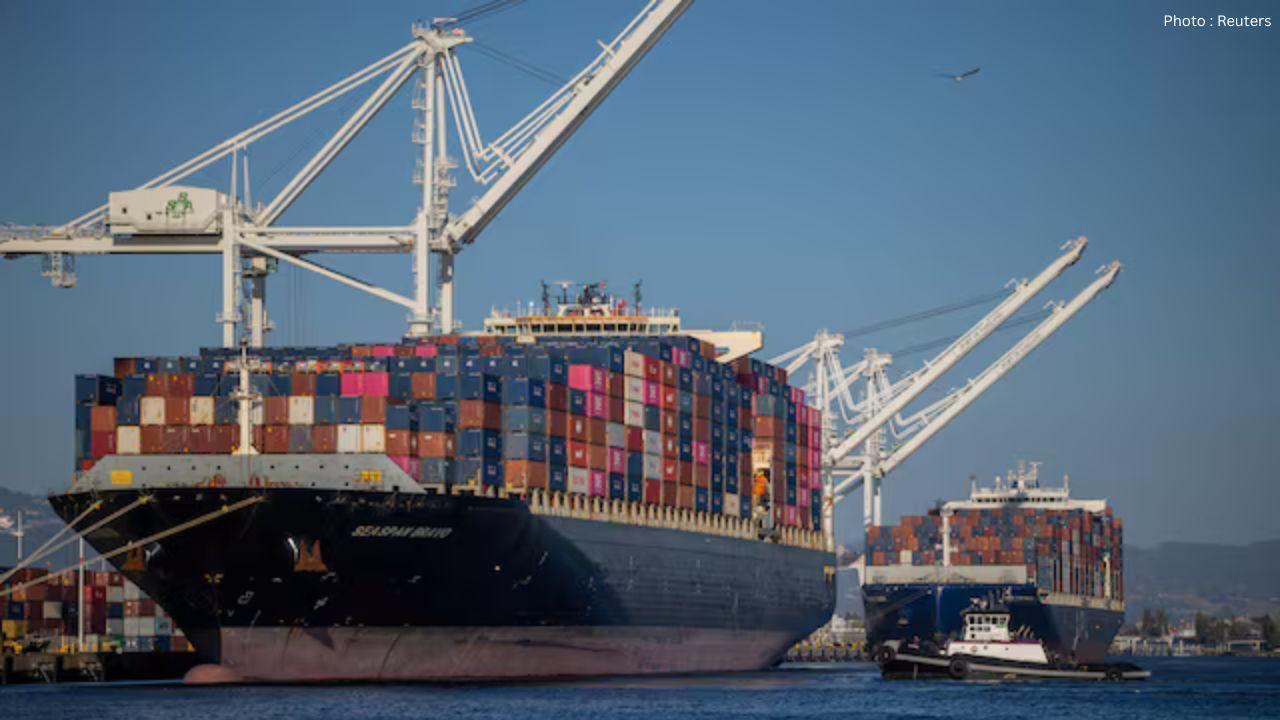
US President Donald Trump has extended a waiver to the century-old Jones Act for another 90 days, allowing foreign-flagged vessels to transport oil and other commodities between US ports.
The extension comes with tighter conditions after US shipbuilders and their supporters in Congress argued that broad exemptions could weaken the domestic maritime industry.
Under the new arrangement, foreign vessels will no longer receive blanket exemptions. Instead, individual voyages will be reviewed separately before approval.
The extension was finalised on Monday and comes as the conflict involving Iran continues to disrupt global crude oil flows and increase fuel costs.
The White House said extending the waiver would help the US military and key industries maintain access to essential resources.
White House spokeswoman Taylor Rogers said the waiver had contributed to higher domestic deliveries of products including gasoline, diesel and jet fuel.
The previous waiver was scheduled to expire on August 16.
The Jones Act requires cargo transported between US ports to be carried on vessels that are built in the United States, owned by US companies and crewed by American workers.
Supporters say the law protects the US maritime industry and strengthens national security by maintaining a domestic fleet and workforce.
Critics argue that the restrictions can increase transportation costs and limit the number of ships available to move fuel between American ports.
The latest extension narrows the scope of the waiver by requiring individual voyages involving foreign-flagged vessels to undergo case-by-case review.
Under the earlier arrangement, foreign vessels could receive broader exemptions from Jones Act requirements.
A White House official confirmed that each voyage will now be evaluated before a foreign ship can transport cargo between US ports.
The administration says the approach will preserve flexibility while addressing concerns from the domestic maritime industry.
The waiver has become particularly important as disruptions in global energy markets put pressure on fuel prices.
Allowing additional tankers to transport petroleum products between US ports could help reduce bottlenecks and improve the movement of gasoline, diesel and jet fuel.
However, analysts and industry experts have said the impact on consumers could be limited. The additional shipping flexibility may reduce gasoline prices by only a few cents per gallon.
The American Petroleum Institute welcomed the targeted waivers, saying they provide important flexibility for moving US energy supplies between ports during a period of global market uncertainty.
The American Maritime Partnership, which supports the Jones Act, expressed disappointment over the extension but said case-by-case reviews were an improvement over the previous blanket waiver.
The group urged the administration to carefully examine the national defence justification for every exemption request and determine whether US vessels are available before approving foreign ships.
Read more: Japan’s Early Wage Signals Support Possibility of BOJ Interest Rate Hike in 2026
US government data showed that approximately 208 Jones Act exemptions had been granted during about four and a half months through August 3.
The number of exemptions has intensified the debate over whether temporary waivers should continue or whether broader changes to the law are needed.
The Cato Institute, which has long supported repealing the Jones Act, said Congress should make permanent changes rather than relying on temporary exemptions.
Trump's latest decision attempts to balance two competing priorities: maintaining a strong domestic maritime industry while ensuring that fuel and other critical goods can move efficiently between US ports.
The 90-day extension provides additional flexibility for energy transportation, but the new case-by-case review system is expected to place greater scrutiny on foreign vessels seeking exemptions.
The debate over the Jones Act is likely to continue as the US deals with energy market disruptions, shipping constraints and concerns over domestic maritime capacity.
#trending #latest #DonaldTrump #JonesAct #JonesActWaiver #USShipping #USMaritime #ShippingNews #OilShipping #EnergyNews #FuelPrices #GasolinePrices #USEnergy #MaritimeIndustry #AmericanShipbuilding









Advances in Aerospace Technology and Commercial Aviation Recovery
Insights into breakthrough aerospace technologies and commercial aviation’s recovery amid 2025 chall

Defense Modernization and Strategic Spending Trends
Explore key trends in global defense modernization and strategic military spending shaping 2025 secu

Tens of Thousands Protest in Serbia on Anniversary of Deadly Roof Collapse
Tens of thousands in Novi Sad mark a year since a deadly station roof collapse that killed 16, prote

Canada PM Carney Apologizes to Trump Over Controversial Reagan Anti-Tariff Ad
Canadian PM Mark Carney apologized to President Trump over an Ontario anti-tariff ad quoting Reagan,

The ad that stirred a hornets nest, and made Canadian PM Carney say sorry to Trump
Canadian PM Mark Carney apologizes to US President Trump after a tariff-related ad causes diplomatic

Bengaluru-Mumbai Superfast Train Approved After 30-Year Wait
Railways approves new superfast train connecting Bengaluru and Mumbai, ending a 30-year demand, easi



