
Post by : Meena Rani
India's urban landscape is undergoing a profound transformation, driven by the integration of technology into urban planning and infrastructure. The Smart Cities Mission, launched in 2015, aims to create 100 smart cities across the country, focusing on sustainable development, efficient infrastructure, and improved quality of life for urban residents. A critical component of this transformation is the evolution of urban mobility systems, which are being reimagined to address the challenges of rapid urbanization, environmental sustainability, and equitable access to transportation.
Historically, India's urban transport systems have struggled to keep pace with the rapid growth of urban populations. The increasing number of vehicles has led to congestion, pollution, and inefficiencies in public transport. Recognizing these challenges, the Indian government initiated the Smart Cities Mission to overhaul urban infrastructure, with a significant emphasis on developing intelligent transportation systems.
The mission's objectives include enhancing public transport, promoting non-motorized transport (NMT), reducing traffic congestion, and integrating technology to improve the efficiency and accessibility of urban mobility. This approach aligns with global trends towards sustainable urban development and smart city initiatives.
Intelligent Transportation Systems (ITS) are at the forefront of India's urban mobility transformation. These systems utilize technologies such as Internet of Things (IoT), Artificial Intelligence (AI), and big data analytics to optimize traffic flow, manage public transport, and provide real-time information to commuters. Cities like Ahmedabad and Pune have implemented ITS to monitor traffic conditions, control traffic signals, and provide commuters with timely updates, thereby reducing congestion and improving travel efficiency.
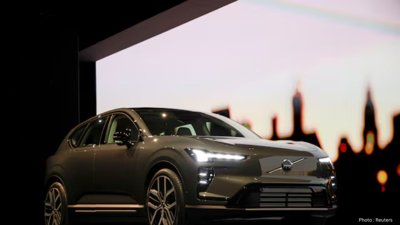
The adoption of Electric Vehicles (EVs) is a key strategy in reducing urban air pollution and dependence on fossil fuels. Cities like Bengaluru and Delhi are expanding EV infrastructure, including charging stations and incentives for EV purchases. The integration of EVs into public transport fleets, such as electric buses, is also gaining momentum, contributing to cleaner and more sustainable urban mobility.
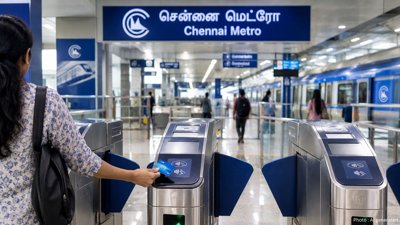
Multimodal integration refers to the seamless connectivity between various modes of transport, including buses, metros, trains, and non-motorized options like cycling and walking. The "Mumbai One" app, launched in 2025, exemplifies this approach by integrating services from 11 public transport operators, allowing passengers to plan, book, and travel using a single platform. Such initiatives enhance convenience and encourage the use of public transport over private vehicles.
Promoting Non-Motorized Transport (NMT) is essential for creating pedestrian-friendly urban environments. Cities are developing dedicated cycling lanes, pedestrian pathways, and green spaces to encourage walking and cycling. These initiatives not only reduce traffic congestion but also promote healthier lifestyles among urban residents.
Urban planners and transportation experts emphasize the importance of integrating technology with sustainable practices in urban mobility planning. According to a report by Hitachi India, "Decreased road congestion, lower carbon emissions, reduced travel time, and ease of travel will greatly improve the quality of life for the citizens of the nation" . Experts advocate for policies that prioritize public transport, NMT, and the adoption of clean technologies to create equitable and sustainable urban mobility systems.
The public's response to smart city initiatives, particularly in urban mobility, has been largely positive. Commuters appreciate the convenience of integrated transport systems and the environmental benefits of EVs. However, challenges remain, including the need for widespread digital literacy to utilize smart mobility platforms and the necessity for continuous investment in infrastructure to keep pace with urban growth.
Globally, India's efforts in transforming urban mobility are being recognized as part of the broader movement towards sustainable urban development. International organizations and urban development experts view India's initiatives as a model for other rapidly urbanizing nations.
The shift towards EVs and the promotion of NMT contribute significantly to reducing greenhouse gas emissions and improving urban air quality. These measures align with India's commitments to climate action and sustainable development.
Investments in smart mobility infrastructure stimulate economic growth by creating jobs in technology, construction, and service sectors. The development of smart cities also attracts investments and fosters innovation, contributing to the overall economic development of urban areas.
Improved urban mobility systems enhance access to education, healthcare, and employment opportunities, particularly for marginalized communities. Inclusive transport solutions, such as accessible metro services for differently-abled passengers in Nagpur, ensure that all residents benefit from urban development (source).
The implementation of smart mobility initiatives requires coordinated efforts between various levels of government and stakeholders. Transparent governance, data-driven decision-making, and citizen engagement are crucial for the successful deployment and operation of smart urban mobility systems.
The information provided in this article is based on available data and expert opinions as of October 2025. Urban mobility is a dynamic field, and developments may have occurred since the publication of this article. Readers are encouraged to consult official sources and recent publications for the most current information.
India's journey towards transforming urban mobility through smart city initiatives reflects a commitment to sustainability, inclusivity, and technological innovation. While challenges remain, the progress made in integrating intelligent transportation systems, promoting EVs, and fostering multimodal connectivity demonstrates the potential for creating smarter, more livable cities. As urban populations continue to grow, these initiatives will play a pivotal role in shaping the future of urban mobility in India.
#trending #latest






Advances in Aerospace Technology and Commercial Aviation Recovery
Insights into breakthrough aerospace technologies and commercial aviation’s recovery amid 2025 chall

Defense Modernization and Strategic Spending Trends
Explore key trends in global defense modernization and strategic military spending shaping 2025 secu

Tens of Thousands Protest in Serbia on Anniversary of Deadly Roof Collapse
Tens of thousands in Novi Sad mark a year since a deadly station roof collapse that killed 16, prote

Canada PM Carney Apologizes to Trump Over Controversial Reagan Anti-Tariff Ad
Canadian PM Mark Carney apologized to President Trump over an Ontario anti-tariff ad quoting Reagan,

The ad that stirred a hornets nest, and made Canadian PM Carney say sorry to Trump
Canadian PM Mark Carney apologizes to US President Trump after a tariff-related ad causes diplomatic

Bengaluru-Mumbai Superfast Train Approved After 30-Year Wait
Railways approves new superfast train connecting Bengaluru and Mumbai, ending a 30-year demand, easi



