Post by : Saif
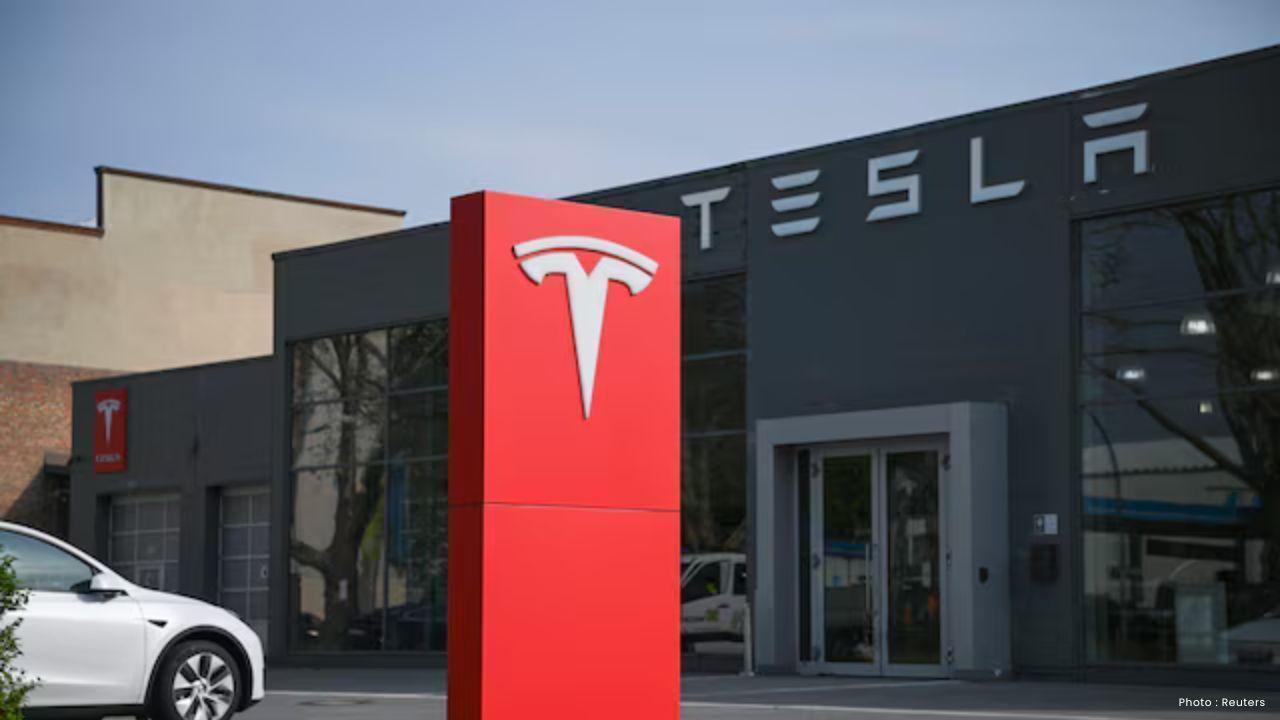
A major development in the global energy and technology sector has taken place as the U.S. government confirmed a $4.3 billion battery deal between Tesla and LG Energy Solution. This agreement is not just a business deal, but a strong signal of how countries and companies are changing their strategies in a fast-moving world.
The deal focuses on building a large battery manufacturing facility in Michigan, United States. This plant will produce lithium iron phosphate (LFP) batteries, which are widely used in energy storage systems. Production is expected to begin in 2027, marking a long-term investment in clean energy and industrial growth.
These batteries will be used in Tesla’s energy storage products, especially its Megapack systems. These systems help store electricity and are often used to support renewable energy sources like solar and wind power. By using locally made batteries, Tesla aims to strengthen its supply chain and reduce risks linked to global disruptions.
One of the key reasons behind this deal is the growing need to reduce dependence on China for battery supplies. For many years, China has dominated the production of LFP batteries. However, rising trade tensions and tariffs have pushed companies like Tesla to look for alternatives. This deal with LG Energy Solution is a clear step in that direction.
The agreement also shows how the United States is trying to build a stronger domestic manufacturing base. By producing batteries within the country, it can create jobs, improve supply security, and support its clean energy goals. The U.S. government has been encouraging such investments as part of a broader effort to reduce reliance on foreign supply chains.
Interestingly, this deal was not completely new. It was first reported in 2025 when LG Energy Solution signed a large battery supply agreement with an unnamed customer. At that time, many experts believed Tesla was the buyer, but it was not officially confirmed. Now, with the U.S. government’s statement, that link has become clear.
The batteries will be supplied over several years, starting from 2027 to 2030, with the possibility of extending the agreement further. This long-term timeline shows that both companies are planning for steady growth in the energy storage sector, not just short-term gains.
From a business point of view, this deal benefits both sides. Tesla secures a reliable supply of batteries for its growing energy division, while LG Energy Solution strengthens its position in the U.S. market. It also helps LG compete with major Chinese battery makers, who have long dominated this industry.
The deal also reflects a broader change in the global energy market. While electric vehicles remain important, energy storage is becoming a major focus area. As countries invest more in renewable energy, the need to store electricity safely and efficiently is increasing. Tesla’s Megapack systems are designed to meet this need, and this battery deal supports that vision.
There is also a political side to this development. The announcement came as part of discussions around energy security and international partnerships. Governments are now more involved in such deals because energy and technology are closely linked to national security.
From an editorial point of view, this agreement highlights an important shift in global industry. Companies are no longer focusing only on cost and efficiency. They are also thinking about stability, security, and long-term planning. The COVID-19 pandemic and recent geopolitical tensions have shown how fragile global supply chains can be.
By investing in local production, Tesla and LG Energy Solution are trying to build a more reliable system. However, this approach may also increase costs in the short term, as domestic manufacturing is often more expensive than importing goods. The challenge will be to balance cost with security.
Another key takeaway is the growing importance of clean energy technologies. As the world moves away from fossil fuels, batteries will play a central role in storing and managing energy. Deals like this are not just about business—they are about shaping the future of energy.
In conclusion, the $4.3 billion agreement between Tesla and LG Energy Solution is more than just a partnership. It represents a shift toward stronger domestic supply chains, reduced dependence on foreign markets, and a greater focus on clean energy solutions. As the world continues to change, such decisions will play a major role in shaping the global economy and energy landscape.
#trending #latest #Tesla #LGEnergySolution #BatteryDeal #CleanEnergy #EnergyStorage #USManufacturing #EVIndustry #GlobalSupplyChain #TechNews #BusinessNews






Advances in Aerospace Technology and Commercial Aviation Recovery
Insights into breakthrough aerospace technologies and commercial aviation’s recovery amid 2025 chall

Defense Modernization and Strategic Spending Trends
Explore key trends in global defense modernization and strategic military spending shaping 2025 secu

Tens of Thousands Protest in Serbia on Anniversary of Deadly Roof Collapse
Tens of thousands in Novi Sad mark a year since a deadly station roof collapse that killed 16, prote

Canada PM Carney Apologizes to Trump Over Controversial Reagan Anti-Tariff Ad
Canadian PM Mark Carney apologized to President Trump over an Ontario anti-tariff ad quoting Reagan,

The ad that stirred a hornets nest, and made Canadian PM Carney say sorry to Trump
Canadian PM Mark Carney apologizes to US President Trump after a tariff-related ad causes diplomatic

Bengaluru-Mumbai Superfast Train Approved After 30-Year Wait
Railways approves new superfast train connecting Bengaluru and Mumbai, ending a 30-year demand, easi



