Post by : Saif
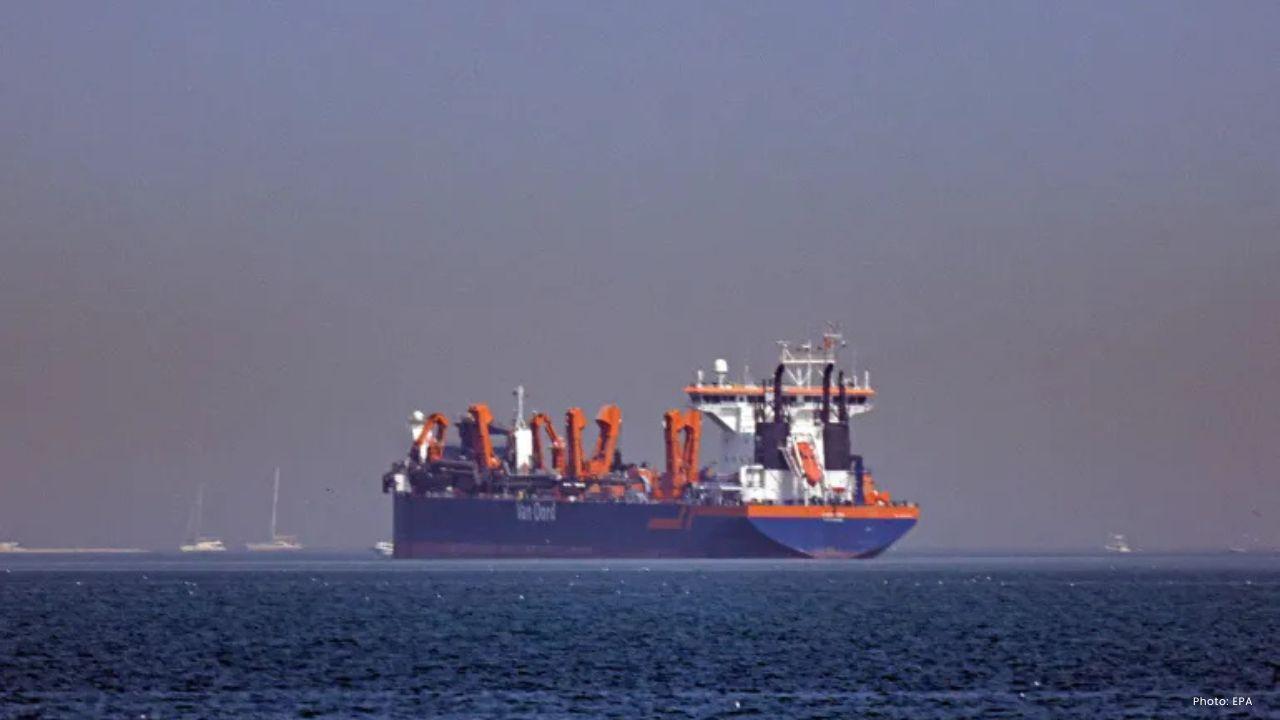
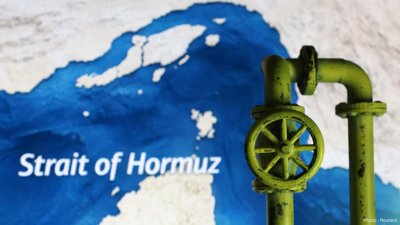
The growing fear of a shutdown in the Strait of Hormuz has raised serious concerns across the world. This narrow waterway is one of the most important routes for global oil trade. If it closes, even for a short time, oil prices could rise sharply and affect millions of people.
The Strait of Hormuz lies between Iran and Oman. It connects the Persian Gulf to the Arabian Sea. Nearly 20 percent of the world’s oil supply passes through this narrow channel every day. Many major oil-producing countries in the Middle East depend on this route to send their oil to global markets.
Tensions in the region have increased due to conflict involving Iran and other nations. As military activity rises, fears have grown that shipping through the strait could be blocked. Even the possibility of disruption has already made energy markets nervous.
When there is uncertainty about oil supply, prices usually rise. Traders and investors react quickly to any risk that oil shipments might stop. If tankers cannot pass safely through the Strait of Hormuz, global oil supply would drop. A smaller supply with steady demand pushes prices higher.
Higher oil prices affect everyone. When crude oil becomes more expensive, fuel prices at petrol stations increase. Transport costs rise. Airlines pay more for fuel. Shipping companies charge more to move goods. These higher costs often lead to increased prices for food, clothing, and everyday items.
Inflation is another major concern. Inflation means that prices for goods and services go up. When energy costs rise, inflation often follows. Families may struggle to manage higher living expenses. Businesses may also face pressure as production and transport costs increase.
Natural gas shipments could also be affected. Many countries rely on liquefied natural gas that travels through the Strait of Hormuz. If gas supplies are disrupted, electricity and heating costs may rise in several parts of the world.
Experts warn that if the shutdown continues for a long time, oil prices could rise above 100 dollars per barrel. This would put strong pressure on global economies. Developing countries that depend on imported fuel may face the most serious challenges.
Some oil-producing nations may try to increase production to stabilize markets. However, much of that oil still needs to pass through the same route. This means the problem cannot be solved easily if the strait remains closed.
Financial markets are also watching closely. Stock markets often react negatively to rising energy prices and geopolitical tension. Investors prefer stability, and long-term conflict creates uncertainty.
The Strait of Hormuz plays a central role in global energy security. Its importance shows how closely connected the world economy has become. A single narrow passage of water can influence prices, trade, and economic growth across continents.
Leaders around the world are likely to push for diplomatic solutions to prevent further escalation. Keeping the strait open is vital not only for oil producers but also for consumers worldwide.
The coming days will be critical. If tensions ease and shipping continues normally, oil markets may calm down. But if the disruption grows, the impact could be felt in fuel stations, supermarkets, and homes around the world.
#trending #latest #StraitOfHormuz #OilPrices #GlobalEconomy #EnergyCrisis #Inflation #MiddleEastTensions #FuelCosts #armustnews





Advances in Aerospace Technology and Commercial Aviation Recovery
Insights into breakthrough aerospace technologies and commercial aviation’s recovery amid 2025 chall

Defense Modernization and Strategic Spending Trends
Explore key trends in global defense modernization and strategic military spending shaping 2025 secu

Tens of Thousands Protest in Serbia on Anniversary of Deadly Roof Collapse
Tens of thousands in Novi Sad mark a year since a deadly station roof collapse that killed 16, prote

Canada PM Carney Apologizes to Trump Over Controversial Reagan Anti-Tariff Ad
Canadian PM Mark Carney apologized to President Trump over an Ontario anti-tariff ad quoting Reagan,

The ad that stirred a hornets nest, and made Canadian PM Carney say sorry to Trump
Canadian PM Mark Carney apologizes to US President Trump after a tariff-related ad causes diplomatic

Bengaluru-Mumbai Superfast Train Approved After 30-Year Wait
Railways approves new superfast train connecting Bengaluru and Mumbai, ending a 30-year demand, easi



