Post by : Avinab Raana
Photo : X / Bloomberg
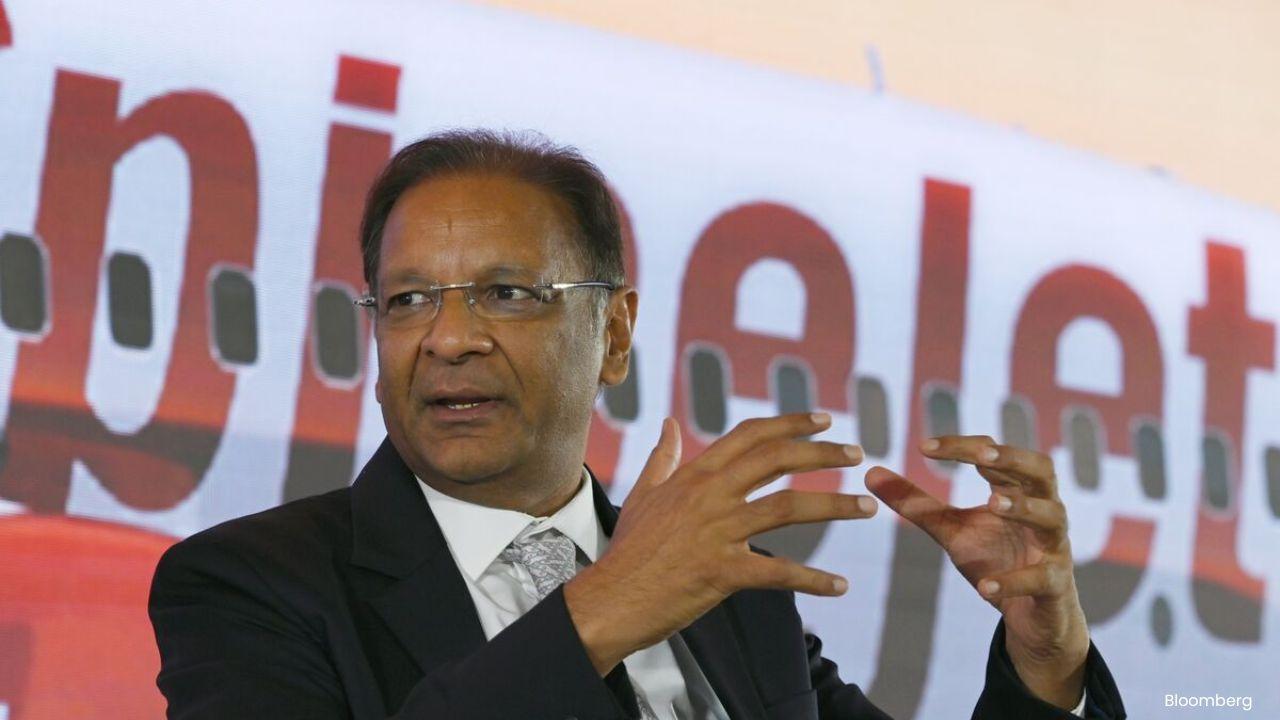
The global aviation industry is facing growing uncertainty as oil prices aviation industry trends push operating costs sharply higher. SpiceJet chairman Ajay Singh has warned that crude oil prices approaching $90 per barrel could become unsustainable for airlines, highlighting the financial pressure building across the sector.
Airlines typically operate on thin profit margins, and fuel remains one of the largest operational expenses. When oil prices surge, carriers struggle to absorb the additional costs without making difficult decisions related to pricing, network planning, or operational efficiency.
The ongoing airline fuel cost crisis is intensifying as rising crude prices continue to affect aviation turbine fuel costs globally. Since jet fuel prices closely follow international oil markets, any sharp increase quickly translates into higher operational spending for airlines.
For carriers operating in competitive aviation markets such as India, managing these rising costs is particularly challenging. Airlines must balance the need to maintain competitive ticket prices while ensuring that operational expenses remain manageable. This delicate balance becomes even more difficult when oil prices approach levels that significantly increase the cost of running aircraft across large route networks.
The warning from the SpiceJet chief reflects a broader concern about Indian airlines fuel costs, which have historically been vulnerable to fluctuations in global oil markets. India’s aviation sector has experienced rapid passenger growth in recent years, but profitability across the industry remains fragile.
Higher fuel prices can disrupt expansion strategies, delay fleet additions, and force airlines to reassess route profitability. Carriers are therefore closely monitoring global energy markets while preparing contingency plans to manage operational risks.
The broader global oil prices airlines impact may eventually reach passengers if the current price trend continues. Airlines often attempt to absorb short-term fuel price increases, but sustained cost pressures typically result in higher ticket prices or fuel surcharges. As airlines attempt to protect their financial stability, travelers could see gradual increases in airfares across both domestic and international routes.
The aviation sector remains closely tied to fluctuations in global energy markets, making fuel price volatility a constant concern for airline operators. With aviation turbine fuel prices India continuing to fluctuate alongside global oil trends, airlines are preparing for a potentially challenging operating environment. For now, industry leaders are watching market developments carefully, knowing that sustained high oil prices could reshape airline economics in the months ahead.
#trending #latest,oil prices aviation industry, SpiceJet Ajay Singh warning, airline fuel cost crisis, aviation turbine fuel prices India, Indian airlines fuel costs, global oil prices airlines impact, airline ticket price pressure










Advances in Aerospace Technology and Commercial Aviation Recovery
Insights into breakthrough aerospace technologies and commercial aviation’s recovery amid 2025 chall

Defense Modernization and Strategic Spending Trends
Explore key trends in global defense modernization and strategic military spending shaping 2025 secu

Tens of Thousands Protest in Serbia on Anniversary of Deadly Roof Collapse
Tens of thousands in Novi Sad mark a year since a deadly station roof collapse that killed 16, prote

Canada PM Carney Apologizes to Trump Over Controversial Reagan Anti-Tariff Ad
Canadian PM Mark Carney apologized to President Trump over an Ontario anti-tariff ad quoting Reagan,

The ad that stirred a hornets nest, and made Canadian PM Carney say sorry to Trump
Canadian PM Mark Carney apologizes to US President Trump after a tariff-related ad causes diplomatic

Bengaluru-Mumbai Superfast Train Approved After 30-Year Wait
Railways approves new superfast train connecting Bengaluru and Mumbai, ending a 30-year demand, easi



