Post by : Avinab Raana
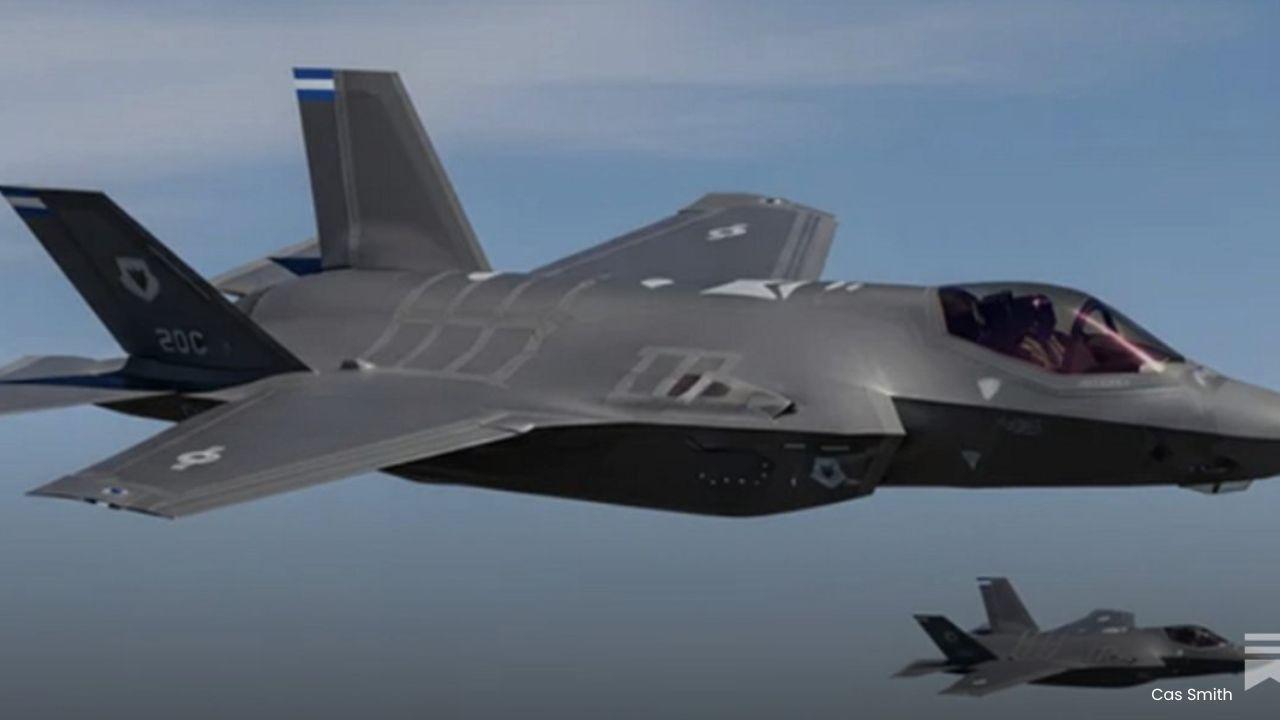
Photo : X / Cas Smith
Saab has revealed plans to fly its next-generation fighter-sized uncrewed aircraft development prototype as early as next year, a bold step toward expanding autonomous aerial capability for defence and advanced mission sets. The Swedish aerospace and defence company is placing this innovative platform at the intersection of autonomy, stealth and tactical flexibility signalling how aviation innovation continues to move beyond traditional crewed systems into uncrewed, high-performance domains.
The uncrewed aircraft under development by Saab is designed to match the size and performance envelope of a fighter-class aircraft, bringing forward a capability previously reserved for manned jets. With autonomy-ready systems, advanced flight control architectures and modular mission payloads, the platform responds to rising demand for uncrewed combat and support aircraft that can operate alongside crewed assets in contested airspaces.
Saab’s vision aligns with evolving global interest in autonomous aviation, where uncrewed aircraft development is accelerating as militaries and researchers seek platforms that enhance situational awareness, reduce risk to pilots and enable novel tactics in complex environments.
Unlike smaller drones that excel at surveillance or limited strike missions, a fighter-sized uncrewed aircraft can carry larger payloads, possess extended range and operate at higher speeds attributes critical to contested air operations. Saab’s initiative gains relevance at a time when the line between crewed and uncrewed combat systems is blurring, and defence strategists are exploring how blended manned-unmanned operations could reshape future engagements.
By advancing a large uncrewed platform, Saab is betting on a future where autonomy is not just about remote camera feeds but integral mission leadership, cooperative manoeuvring and advanced decision support.
Technical development for the prototype includes robust flight control software, sensor fusion systems and mission-ready avionics that can autonomously adapt to changing tactical conditions. Saab’s engineers are also focusing on trust-worthy autonomy, where the aircraft can operate safely alongside manned assets, maintain formation flight patterns, and execute delegated tasks with high reliability.
This capability is especially important in theatres where contested airspace, electronic warfare and dynamic threat environments require platforms capable of rapid adaptation.
According to Saab officials, the prototype aircraft will move into flight testing next year, marking a significant milestone in fighter-sized uncrewed aircraft evolution. The initial flights will likely validate critical subsystems, autonomous behaviours and baseline performance parameters before progressing to more complex mission scenarios.
Industry observers are watching closely, as successful testing could accelerate partnerships with defence customers seeking uncrewed aviation solutions that complement existing fighter fleets.
The development of a large autonomous platform by Saab adds to a competitive landscape where several global defence firms are racing to mature uncrewed combat systems. As nations invest in next-generation air power options, platforms that reduce risk to human pilots, extend operational reach and deliver tactical flexibility will be increasingly sought after.
Saab’s initiative may also influence allied procurement strategies and collaborative research efforts focused on interoperability in mixed crewed-uncrewed operations. The potential of fighter-sized uncrewed aircraft to fly alongside traditional fighters marks a step toward a more integrated and adaptable aerial force.
With plans to fly its fighter-sized uncrewed aircraft next year, Saab is positioning itself at the forefront of military aviation innovation. As autonomous aviation continues to evolve, platforms of this scale could redefine how air forces approach future missions blending human oversight with autonomous capability to achieve new levels of mission effectiveness, resilience and strategic reach.
uncrewed aircraft development, fighter-sized drone, Saab aviation innovation






Advances in Aerospace Technology and Commercial Aviation Recovery
Insights into breakthrough aerospace technologies and commercial aviation’s recovery amid 2025 chall

Defense Modernization and Strategic Spending Trends
Explore key trends in global defense modernization and strategic military spending shaping 2025 secu

Tens of Thousands Protest in Serbia on Anniversary of Deadly Roof Collapse
Tens of thousands in Novi Sad mark a year since a deadly station roof collapse that killed 16, prote

Canada PM Carney Apologizes to Trump Over Controversial Reagan Anti-Tariff Ad
Canadian PM Mark Carney apologized to President Trump over an Ontario anti-tariff ad quoting Reagan,

The ad that stirred a hornets nest, and made Canadian PM Carney say sorry to Trump
Canadian PM Mark Carney apologizes to US President Trump after a tariff-related ad causes diplomatic

Bengaluru-Mumbai Superfast Train Approved After 30-Year Wait
Railways approves new superfast train connecting Bengaluru and Mumbai, ending a 30-year demand, easi



