Post by : Avinab Raana
Photo : X / @knnindia
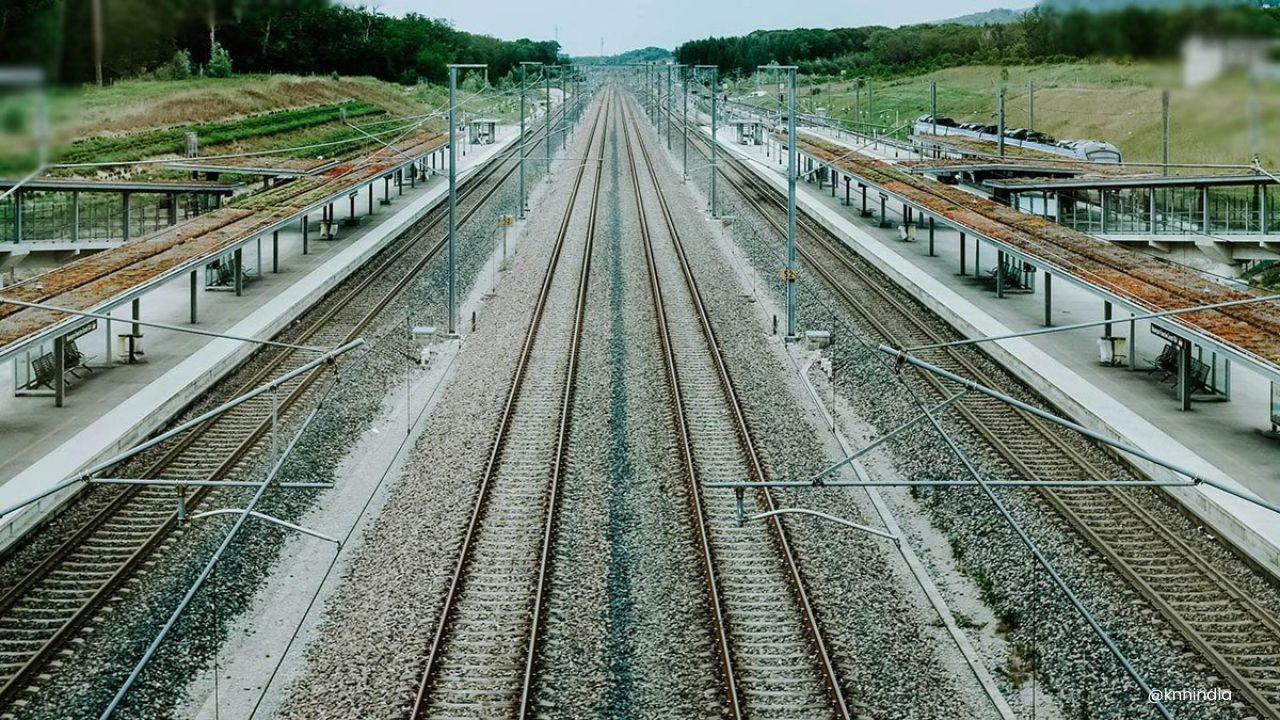
In a significant push toward modernising the nation’s rail backbone, the Cabinet Committee on Economic Affairs (CCEA) has approved a major CCEA railway multitracking plan aimed at expanding capacity, reducing congestion and accelerating freight as well as passenger movement across critical corridors. The decision marks another milestone in India’s ongoing railway infrastructure development drive, which seeks to strengthen connectivity while supporting economic growth. The approval is expected to enhance operational efficiency across heavily utilised routes, where existing single or double lines have been struggling to keep pace with rising demand.
With traffic volumes steadily increasing, many railway sections have been operating near or beyond optimal capacity. The newly sanctioned multitracking initiative will add additional lines along high-density stretches, enabling smoother train operations and minimising delays caused by crossing movements.
Officials believe the project will significantly reduce bottlenecks, cut travel time and improve punctuality for both long-distance passenger trains and freight services. The move aligns with broader goals of Indian Railways capacity expansion, ensuring that infrastructure keeps pace with industrial output, urbanisation and rising mobility demands.
Beyond passenger convenience, the multitracking plan carries strong economic implications. Enhanced line capacity will allow faster freight movement, particularly for coal, cement, steel and agricultural commodities. Improved freight efficiency is expected to lower logistics costs and strengthen supply chain reliability.
Rail infrastructure upgrades are increasingly seen as a catalyst for regional development, opening up new opportunities for manufacturing hubs and industrial corridors. By facilitating smoother goods transport, the project supports India’s ambitions of becoming a global manufacturing powerhouse.
Large-scale infrastructure initiatives such as this typically generate significant employment during construction and ancillary development phases. Civil engineering works, track laying, signalling upgrades and station enhancements will likely create direct and indirect job opportunities across multiple states.
The multitracking programme also signals continued government focus on long-term rail modernisation, complementing electrification drives, station redevelopment schemes and dedicated freight corridors.
The approval of the CCEA railway multitracking plan underscores a strategic commitment to strengthening the country’s transport ecosystem. As congestion eases and operational efficiency improves, both passengers and industries stand to benefit from faster, more reliable rail services.
With sustained investment in railway infrastructure development, India’s rail network is steadily transforming into a high-capacity, future-ready system capable of supporting the country’s expanding economy and mobility needs.
CCEA railway multitracking plan, Indian Railways capacity expansion, railway infrastructure development







Advances in Aerospace Technology and Commercial Aviation Recovery
Insights into breakthrough aerospace technologies and commercial aviation’s recovery amid 2025 chall

Defense Modernization and Strategic Spending Trends
Explore key trends in global defense modernization and strategic military spending shaping 2025 secu

Tens of Thousands Protest in Serbia on Anniversary of Deadly Roof Collapse
Tens of thousands in Novi Sad mark a year since a deadly station roof collapse that killed 16, prote

Canada PM Carney Apologizes to Trump Over Controversial Reagan Anti-Tariff Ad
Canadian PM Mark Carney apologized to President Trump over an Ontario anti-tariff ad quoting Reagan,

The ad that stirred a hornets nest, and made Canadian PM Carney say sorry to Trump
Canadian PM Mark Carney apologizes to US President Trump after a tariff-related ad causes diplomatic

Bengaluru-Mumbai Superfast Train Approved After 30-Year Wait
Railways approves new superfast train connecting Bengaluru and Mumbai, ending a 30-year demand, easi



